



Diet is important for liver health. To support the liver, patients need to pay attention to eating beneficial foods and limit foods that may be harmful.
What should people with liver disease eat?
Green vegetables
Green vegetables are high in fiber, which helps lower blood cholesterol levels and is therefore beneficial for the liver. In addition, green vegetables are good for weight loss and preventing certain cancers because they provide a feeling of fullness quickly, are low in calories, and are rich in antioxidants.
Garlic
Garlic is an important food in many diets. For people with non-alcoholic fatty liver disease (NAFLD), garlic may have a positive impact on metabolism, helping to lower blood lipids.
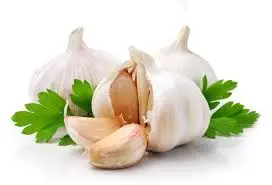
Garlic is an important food in many diets.
Fish
Fish such as salmon, sardines, and tuna are rich in omega-3 fatty acids, which are beneficial for the liver. They provide a source of healthy fats and protein, while also helping the body avoid consuming unhealthy fats from meat and poultry.
Walnut
Walnuts are also a rich source of omega-3 fatty acids, which are good for the liver. Adding walnuts to your daily diet, such as in salads or as a snack, may help reduce your risk of certain liver diseases.
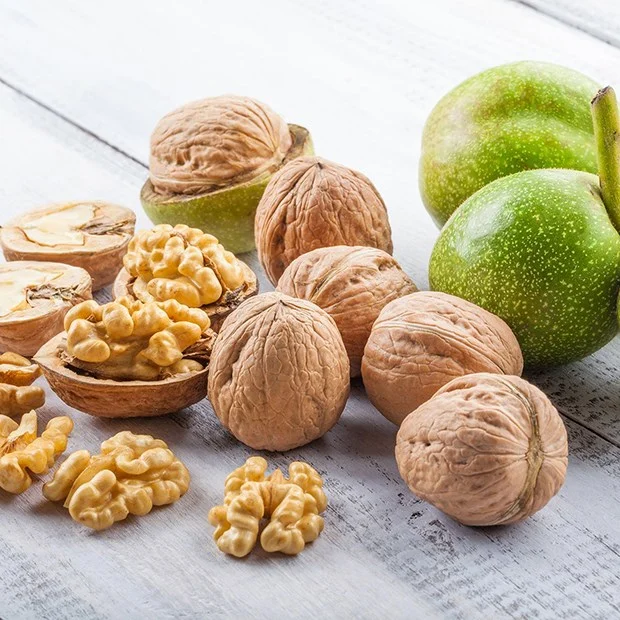
Walnuts are also a rich source of omega-3 fatty acids and are good for the liver.
Avocados
Avocados are rich in healthy fats such as oleic acid, linoleic acid, and palmitic acid, making them excellent for cardiovascular and liver health. In addition, avocados are an important food for weight loss and improving skin health.
Almond milk or low-fat milk
Almond milk and low-fat milk are effective sources of calcium. This helps prevent the progression of fatty liver disease and reduces the risk of early osteoporosis complications due to reduced calcium absorption.
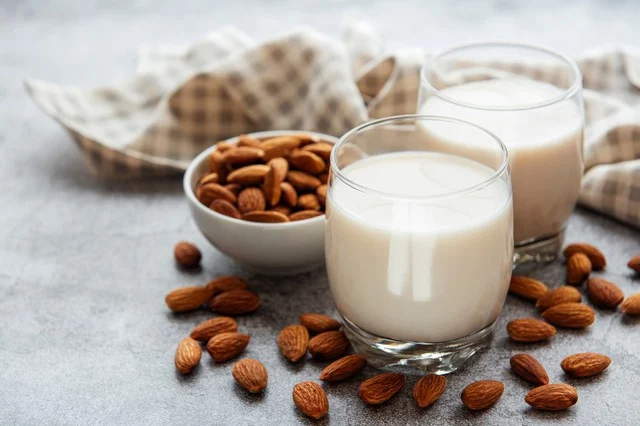
Almond milk and low-fat milk are effective sources of calcium.
Olive oil
Olive oil helps supplement the body with healthy fats, creates a feeling of fullness, and lowers liver enzymes. This is especially beneficial in preventing the progression of liver disease.
Flax seeds and chia seeds
Flax seeds and chia seeds are effective plant-based sources of omega-3 fatty acids. These healthy fats are recommended for people with non-alcoholic fatty liver disease (NAFLD) and those with fatty liver disease, as they may help reduce fat in the liver.
Coffee
Drinking a cup of coffee a day may help protect the liver and prevent non-alcoholic fatty liver disease (NAFLD) or slow the progression of cirrhosis in people with NAFLD. Additionally, coffee may help reduce abnormal liver enzymes in people with liver disease.

Drinking a cup of coffee every day may help protect the liver and prevent fatty liver disease.
What foods should people with liver disease avoid?
Fatty foods
Fatty foods such as french fries, fried chicken, fried fish, and hamburgers are at the top of the list of foods to avoid for people with liver disease. This is because they contain a lot of unhealthy fats and increase the metabolic burden on the liver, making fatty liver disease more severe.
Foods high in salt
Foods high in salt can increase fluid retention in your body and worsen edema, ascites, or "fluid buildup" in people with liver failure. On the other hand, consuming too much salt also increases the risk of developing NAFLD.
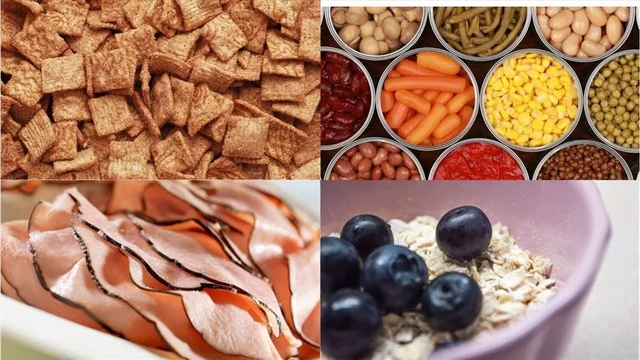
Foods high in salt can increase water retention in your body and worsen edema, ascites, or "fluid buildup" in people with liver failure.
Foods high in sugar
People with fatty liver disease should avoid foods high in sugar such as refined grains, cakes, ice cream, fruit juices, sodas, and sugary drinks. These foods increase blood sugar levels and can lead to fat accumulation in the liver, worsening the condition.
Ale
Alcohol is toxic to the liver and is one of the most common causes of liver diseases such as fatty liver disease and cirrhosis. Therefore, people with liver disease should limit or completely eliminate alcohol from their diet.
Red meat
In healthy individuals, red meats such as goat, beef, lamb, and pork are excellent sources of protein. However, for people with liver disease, while small amounts of red meat may be beneficial, excessive consumption can increase blood cholesterol levels and worsen liver disease.
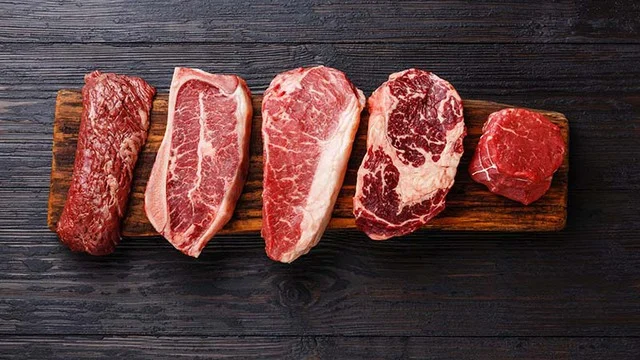
For healthy individuals, red meats such as goat, beef, lamb, and pork are excellent sources of protein.
Animal organs
Animal organs, including heart, liver, kidneys, stomach, and intestines, are high in cholesterol, so frequent consumption increases blood fat levels, forcing the liver to work harder. This can worsen fatty liver disease and is one of the leading causes of overweight, obesity, high blood pressure, and atherosclerosis.
Fast food
Fast food is often high in fat, calories, and preservatives that are unhealthy. It increases the burden on the liver and negatively impacts digestion, so it is not recommended for people with liver disease.
Carbonated drinks
People with fatty liver disease should avoid carbonated drinks such as Pepsi, Coca-Cola, high-fructose corn syrup, dextrose, honey, and agave. These can significantly increase fat accumulation in the liver. Therefore, patients should drink water instead of carbonated or sugary drinks.