



For years, both natural and laboratory-grown diamond producers have argued that origin matters – albeit for different reasons. The recent Advertising Standards Authority ruling in the UK against adverts that masked the synthetic origin of man-made stones suggests one side may not believe this quite as strongly as they claim.
In their telling lab-grown diamonds are promoted as ethically superior to natural stones: less carbon intensive, conflict-free, and more sustainable. If these distinctions are so compelling, why do companies appear so reluctant to differentiate their stones from those formed geologically, deep beneath the earth’s surface?
First, because the ethical claims are far less credible often presented. The public image of natural diamonds is too often frozen in the Sierra Leone of the 1990s, depicted in the film Blood Diamond. That history should not be forgotten. But neither should it define a sector that was always far broader than one country and which has changed profoundly since.
Through international certification and modern traceability systems, the origins of natural diamonds can now be established and their conflict-free status verified in ways unimaginable a generation ago. In contrast to the stereotype projected onto real diamonds, Botswana – the world’s leading producer by value – has always remained peaceful and democratic throughout its post-independence history.
Meanwhile, lab-grown diamonds’ green credentials warrant serious scrutiny. Production is highly energy-intensive, with factories frequently powered by coal. It can, of course, be made sustainable through renewable energy. But the same is true of the mining industry that recovers natural stones – a transition already underway in Botswana. Sustainability is contingent, not inherent.
Second, claims to ethical primacy are undermined when revenues are displaced from development in countries such as my own and accrue to corporations elsewhere. All Batswana are children of diamonds. The proceeds from our natural diamond industry have helped to deliver a literacy rate above 90 per cent, one of Africa’s best road networks, and universal access to healthcare – with more than 95 per cent of citizens living within five miles of a publicly funded facility.
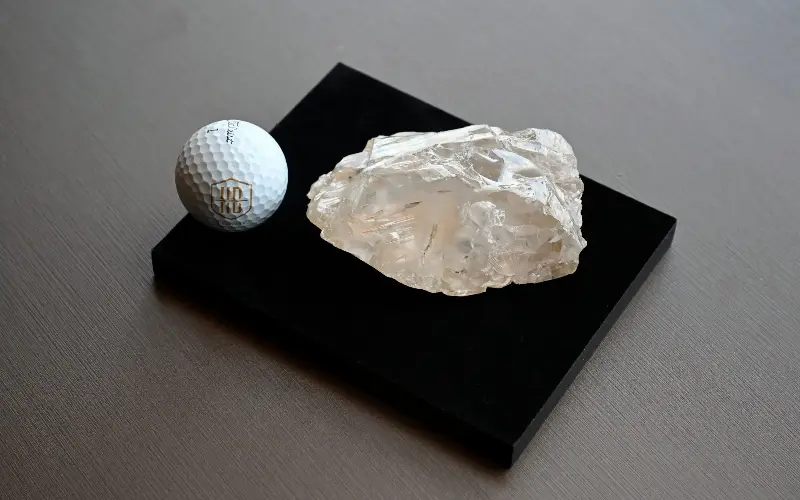
Third, manufactured abundance is qualitatively different from natural rarity. Like snowflakes, no two natural diamonds are alike: each is geologically unique, formed over deep time and beyond industrial replication. That speaks to something deeply human – romance, meaning, permanence. Yet they can feel elusive in modern life.
The digital age has expanded what is possible in countless ways. Yet amid its pace and transience, timelessness carries renewed appeal. We increasingly yearn for what is real, rare and rooted in nature.
These qualities matter most in our symbolic purchases. Engagement rings form the foundation of diamond demand. Consumers are free to decide what best expresses their enduring commitment: a diamond formed naturally over billions of years – or one produced from chemicals in a factory over a matter of weeks. But they should know clearly what they are choosing.
The ASA ruling – which should shape future British marketing practice – has recognised a simple principle: consumers deserve clarity. Others agree. France, long a defender of provenance, draws a firmer line between natural and synthetic diamonds. Yet in the United States – the world’s largest consumer market for diamonds – the Federal Trade Commission’s 2018 guidance blurred the distinction, removing “natural” from the legal definition of diamond, allowing greater flexibility in how lab-grown stones are marketed.
This should be reconsidered – for the sake of producer countries, but also for consumers. Synthetic stones have a place. But transparency, truth in labelling and informed consumer choice are essential for markets to function properly and fairly.
Moreover, if the lab-grown industry truly believes its own arguments, it too should support clearer distinctions. After years spent disparaging natural diamonds, they should not now wear their clothes.
Duma Boko is president of the Republic of Botswana