


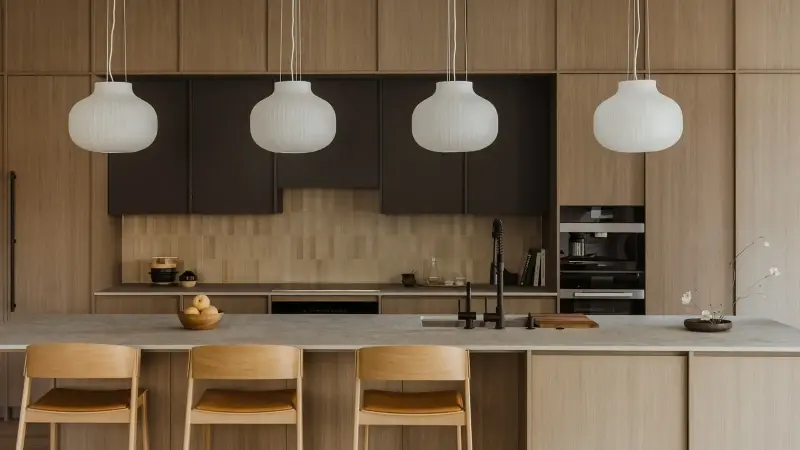
Japanese homes are designed to exude calm energy. In a culture where seasonal ingredients, hearty meals, and home cooking play a crucial role, the kitchen has a reputation for being cleverly organized.
From considering each container, refraining from buying organizers without decluttering first, using cookware that can have a seat at the table, prioritizing counter space for frequently used items, and ensuring every item has a purpose — these are the kitchen storage rules to borrow from Japanese kitchens.
It'll help you restore peace to your kitchen and prepare it for the busy hosting season ahead.
1. Stop Overloading Storage as a Solution
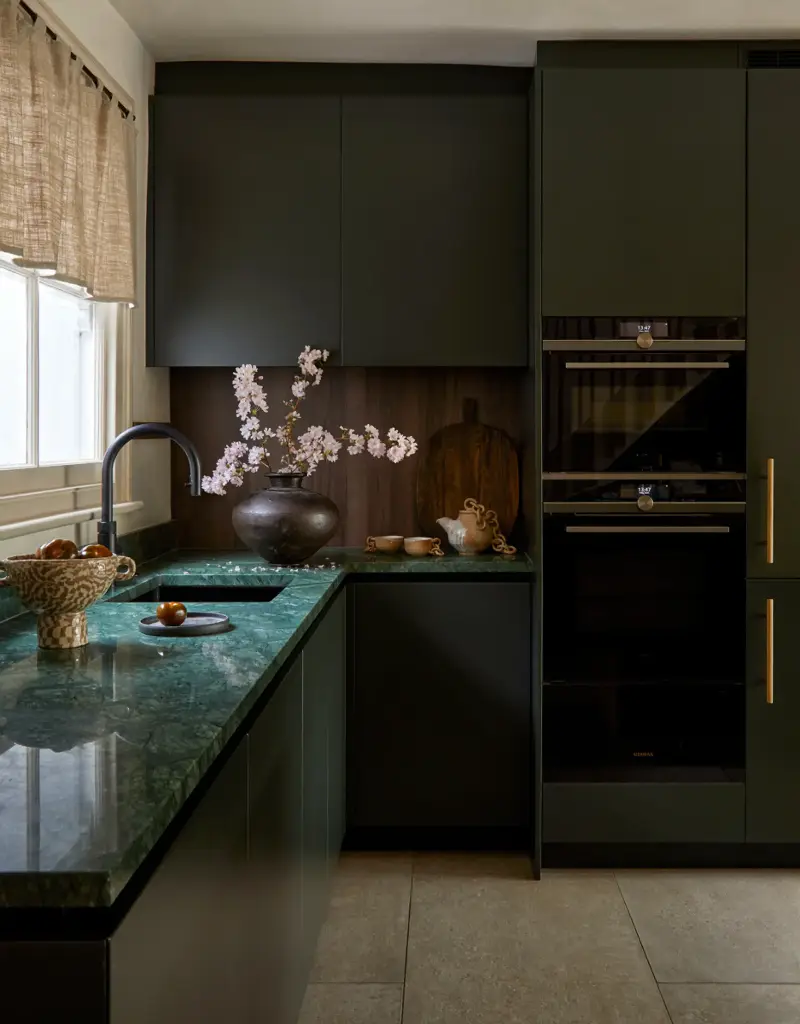
Although the instinct before a season of entertaining is to buy kitchen organizers, interior designer Yoko Kloeden tells me that it isn't always wise to overload your culinary space.
"Japanese kitchens never had that option. On a footprint most British and American cooks would find unworkable, every container has to justify itself," she says. "Before you add storage, take one shelf and ask what each thing on it is for."
Seasonally decluttering your kitchen cabinets will save you both money and space.
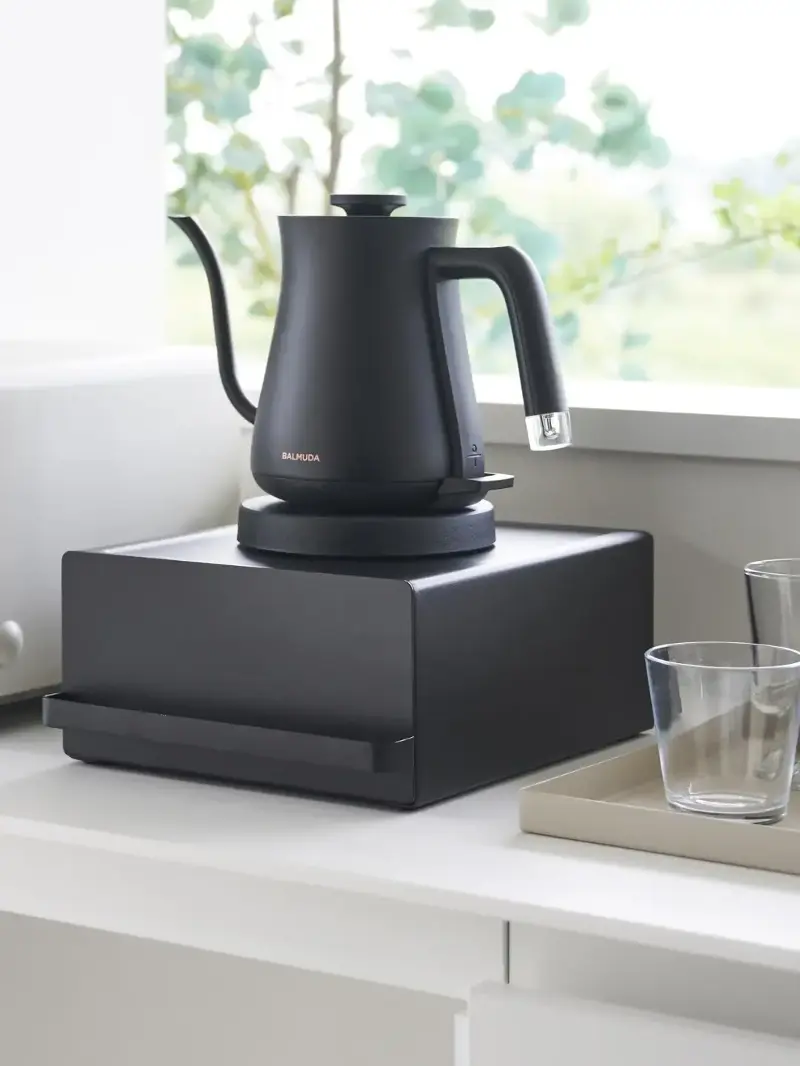
2. Every Container Should Have a Job
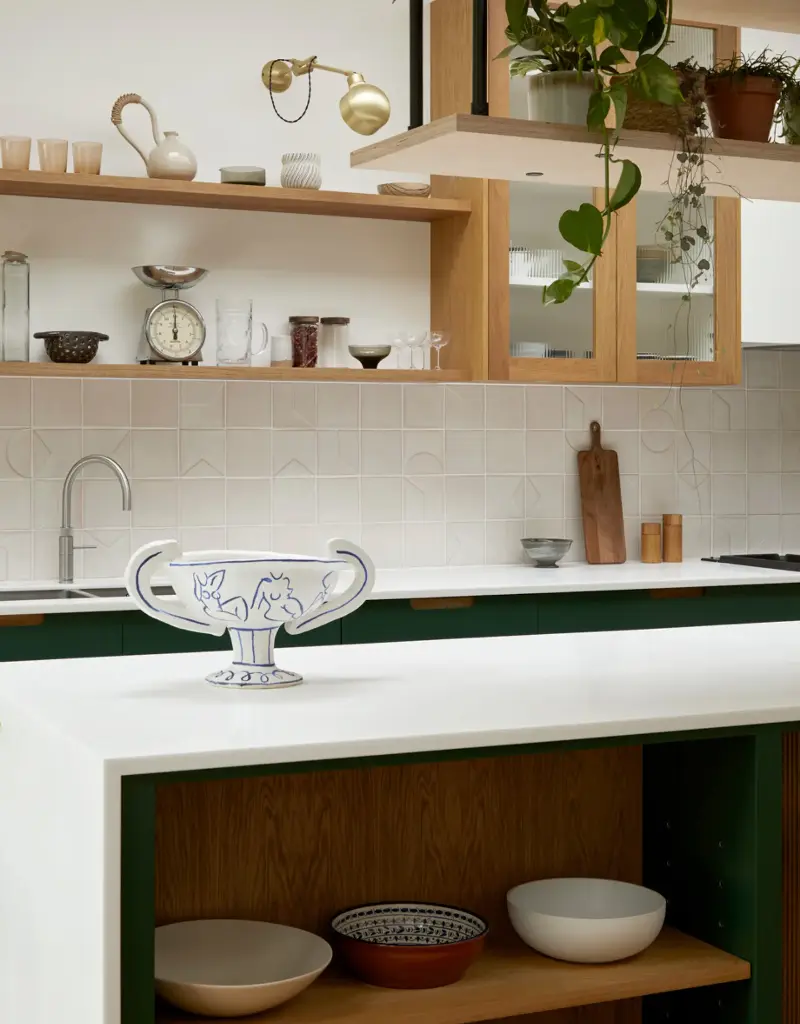
Organizing your food storage based on its task is a simple lesson that goes a long way in any kitchen.
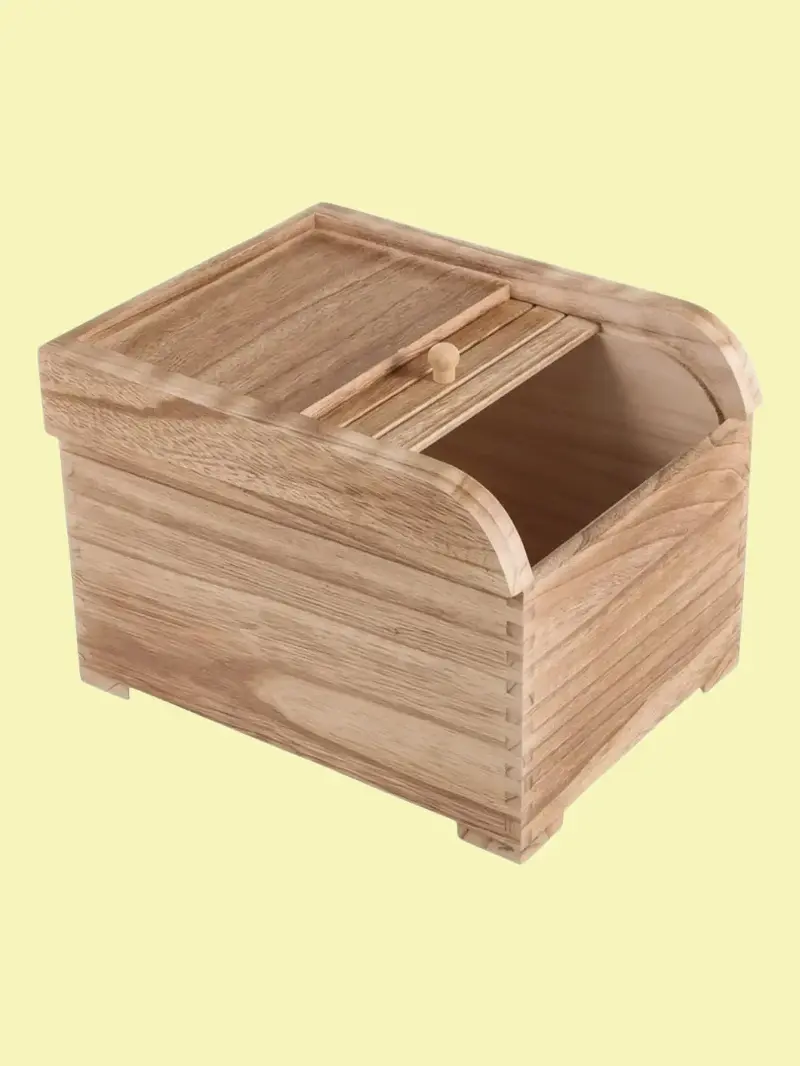
"Dried goods and tea go into paulownia boxes, also known as kiri. The wood is porous enough to buffer humidity and carries natural insect repellents, which is why museums store textiles in it," Yoko advises.
"A clear plastic box does one thing — it lets you see in. So, it's important to choose your organizers based on what the material does to the contents."
3. Give Anything You Reach for Mid-Cooking Its Own Vessel
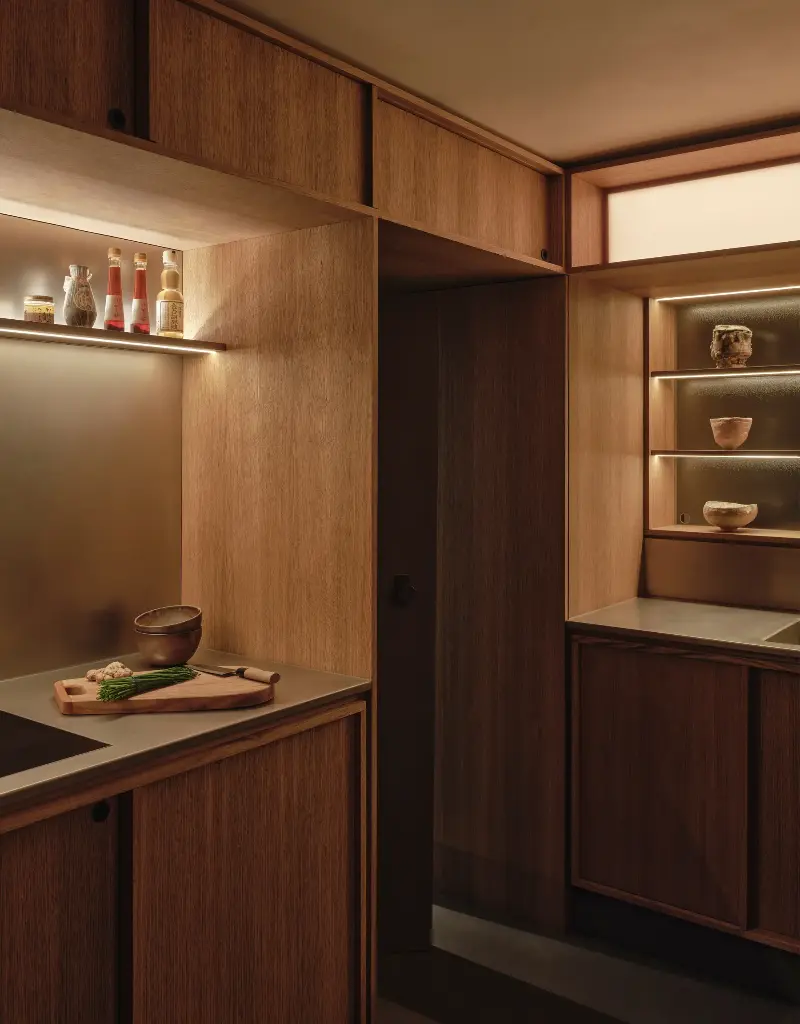
If you look at any chef's kitchen design, you'll notice that the layout makes a major difference to the running of the space. And this doesn't apply solely to the counters of the space, but even to the spices and utensils you often reach for.
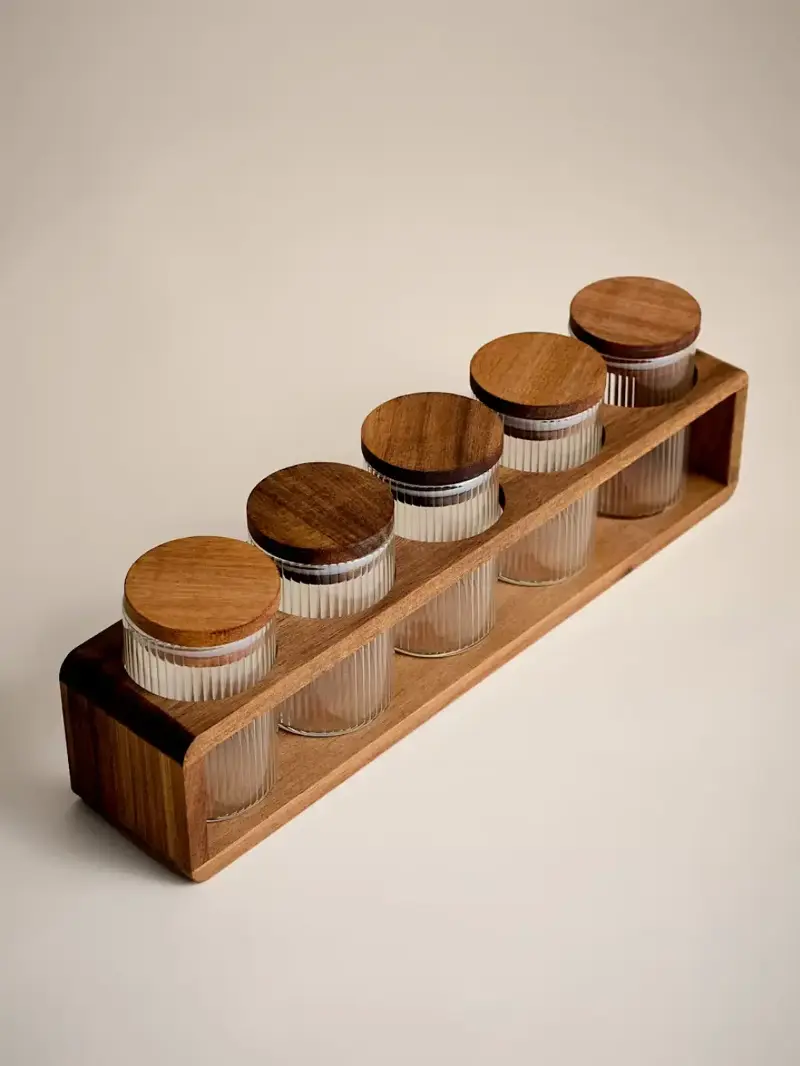
"Salt and sugar clump, so they live in ceramic jars rather than the bags they arrived in. Cooked rice goes into an ohitsu, a lidded ceramic pot that draws off steam so the grains do not turn wet," says Yoko.
"The same goes for anything you open repeatedly. Decanting is not about matching jars. It is about a lid you can lift with one hand." And that's why I always favor easy-to-handle pieces, like this Marble Salt Jar from H&M.
4. Buy Cookware You Can Put on the Table
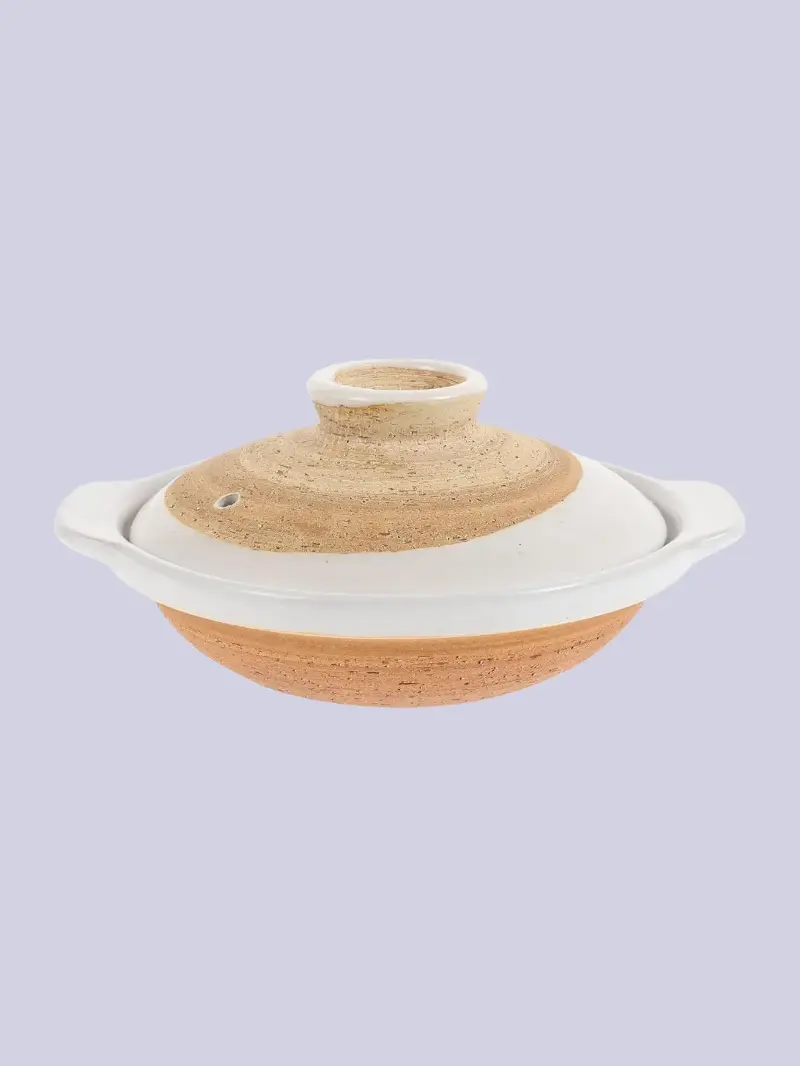
"The idea Nakagawa returns to is ichibutsu tayō — one object, many uses. A porcelain vessel stores leftovers, reheats them, and goes to the table. A bowl in porous, flameproof clay sits straight on the burner and is carried through still bubbling," Yoko notes.
"This quality is what earns its keep when you are feeding a family or a table of guests. It means fewer transfers, less to wash, and food that arrives hot because it never left the pot."
In design-led homes, dopamine decor cookware takes this lesson one step further.
5. Leave Out Only What Passes Both Tests
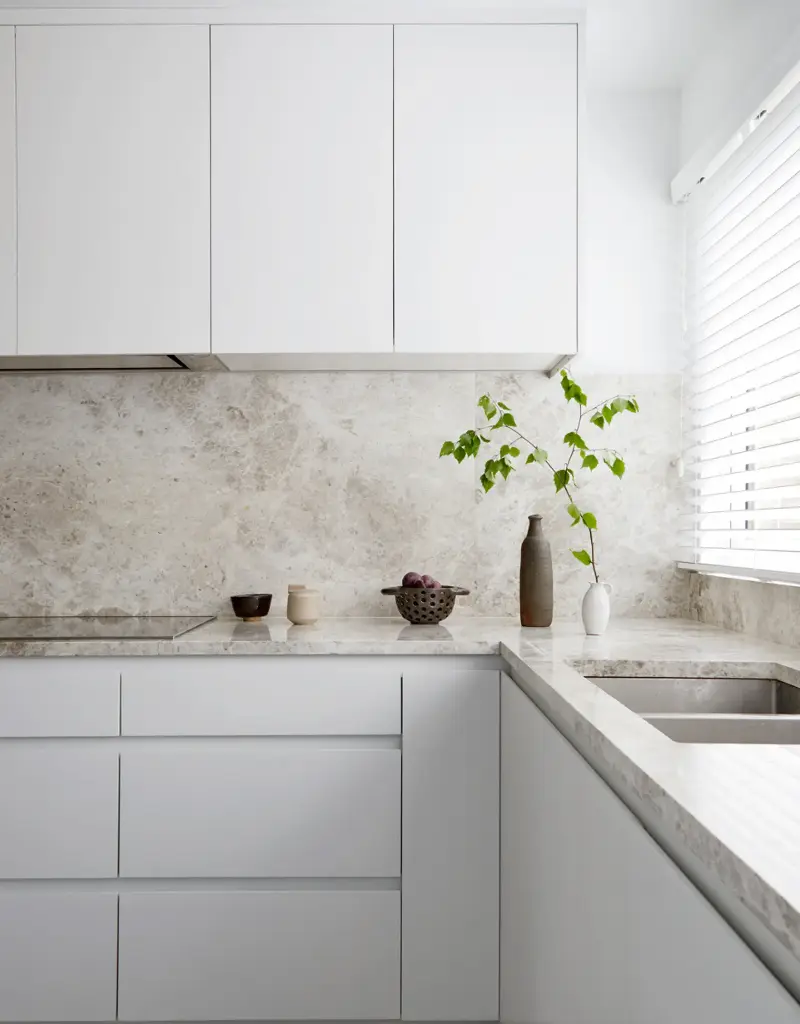
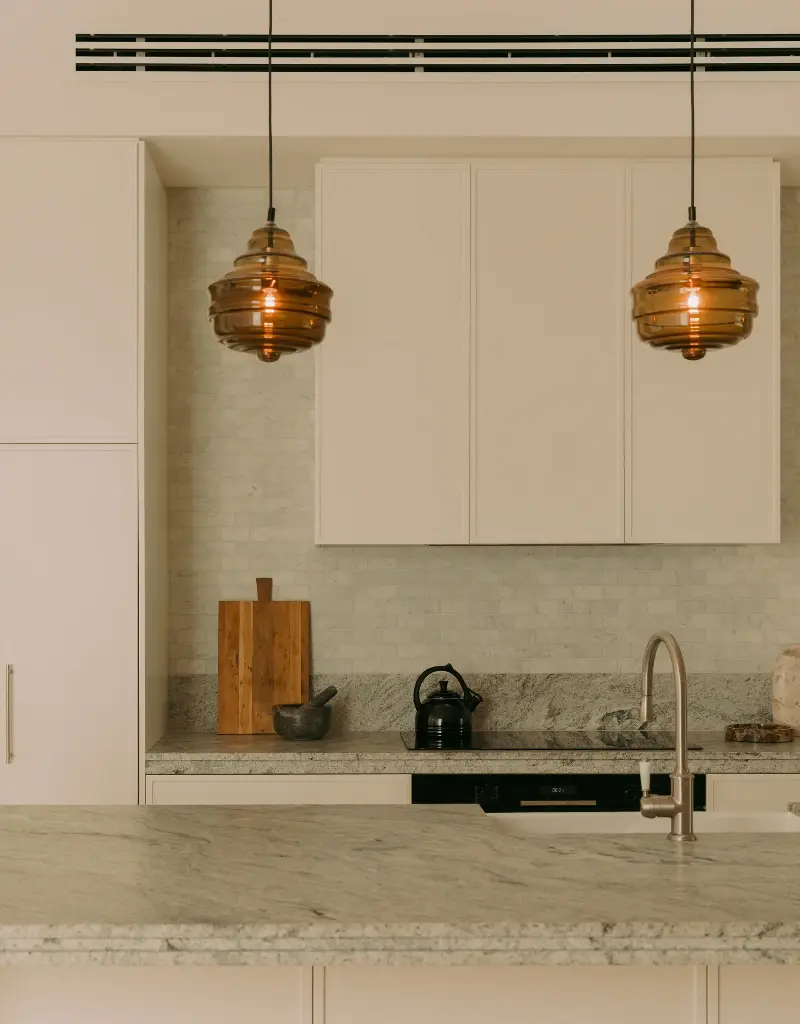
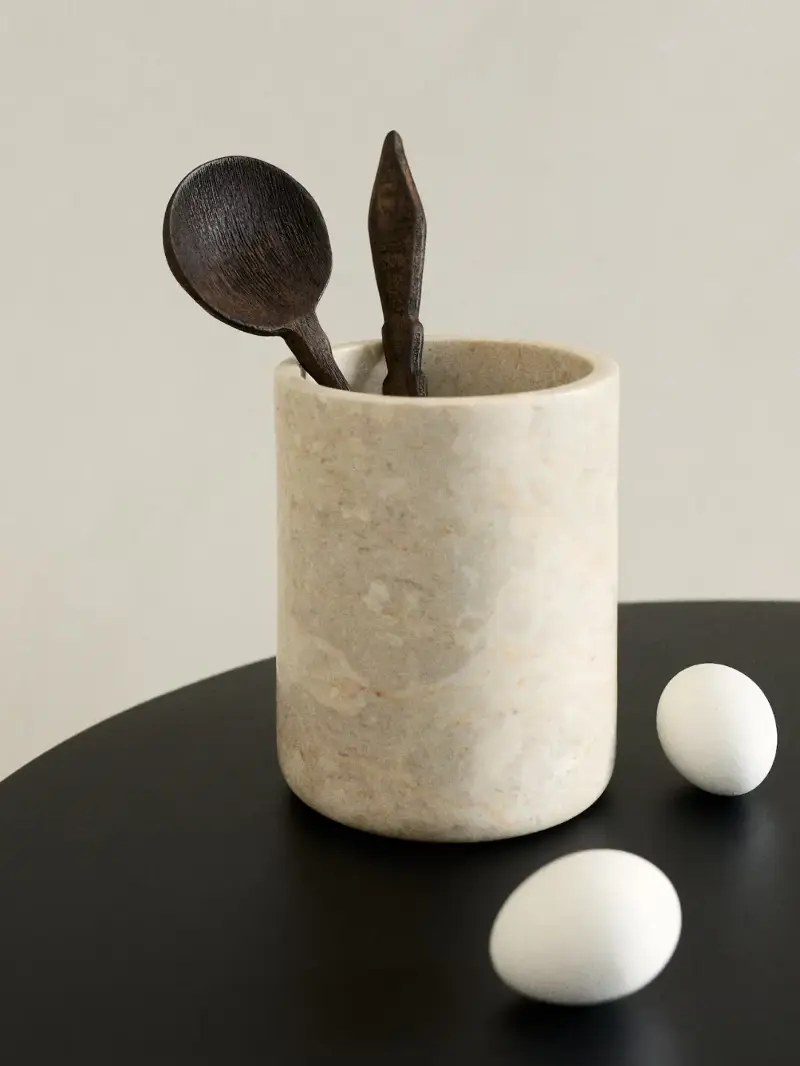
"Nakagawa calls this dashite totonou, 出して整う — out, and in order. An object earns its place on the counter if it is used daily and has presence," says Yoko. "Think a shigaraki stoneware utensil holder or a row of condiment jars. Branded packaging fails the second test and goes in a box."
Tasuku Ogino, executive vice president of Nakagawa, calls the result merihari. "This translates to a deliberate contrast." And it's a concept of visual decluttering that instantly calms the space.
If you're all set on storage but your kitchen needs some clearing out, the Japanese 5S method will help you ditch the clutter.
And for more advice for your kitchen and beyond, subscribe to the Livingetc newsletter.