


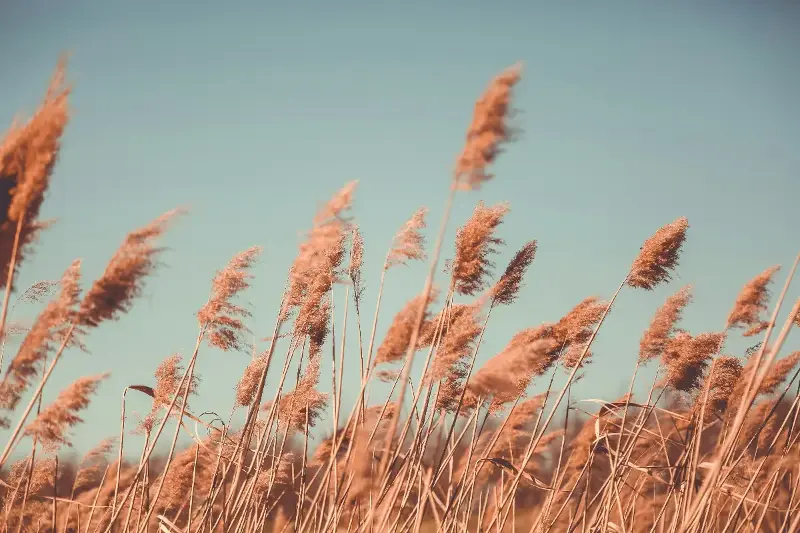
Across wetlands, lakesides, and riverbanks from Asia to Africa to the distant coasts of South America, reeds dance in the wind, unassuming yet vital. These slender, grass-like plants shape not just the landscapes they inhabit, but also human culture, global economies, and the intricate balance of the natural world. Although we may walk by a stand of reeds without a second thought, their history is as tangled and fascinating as their root systems below the water’s edge. These are nature’s quiet architects, holding stories that span the entirety of human civilization.
NATURE’S INGENIOUS BUILDERS: ECOSYSTEM ENGINEERS
Reeds are far more than decorative stalks swaying by the water. The common reed is a textbook example of an ecosystem engineer—a plant capable of transforming its surroundings so thoroughly that it creates entirely new, thriving habitats.
- Water Purification: As reeds grow, they slow water currents, trapping sediment and excess nutrients. This natural filtration process purifies water, fostering cleaner ecosystems.
- Habitat Creation: Reed beds provide essential breeding grounds and shelter for diverse wildlife, including the stately bittern and the dazzling reed warbler.
- Global Impact: Sprawling wetlands—such as the Okavango in Botswana, the Danube in Europe, and the Mekong in Southeast Asia—owe their incredible biodiversity to the patient, persistent work of these plants.
Even in modern urban settings, constructed reed beds are increasingly used for natural wastewater treatment, showcasing a perfect synergy between ancient plant wisdom and modern environmental needs.
CULTURAL CONNECTIONS: REEDS ACROSS CIVILIZATIONS
Few plants can claim such a rich literary and historic pedigree. They provided the raw material for humanity’s earliest writing instruments: ancient Egyptians fashioned papyrus scrolls from reeds, effectively creating the "paper" of civilization.
- Architectural Ingenuity: In the floating villages of Lake Titicaca, the Uros people have crafted boats, islands, and entire homes from totora reeds for centuries. This sustainable practice blends environmental harmony with human living.
- Musical Heritage: Musicians rely on the vibration of reeds to create hauntingly beautiful sounds, from the clarinet reeds used in classical performances to the traditional Chinese suona, which depends on double reeds for its signature tone.
SURPRISING SURVIVORS: ADAPTABILITY AND TENACITY
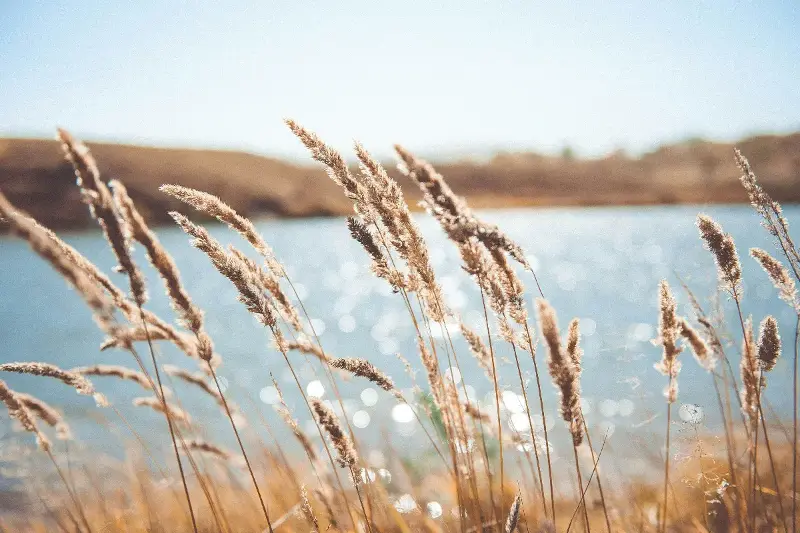
What gives reeds their status as resilient survivors? The answer lies in their extraordinary adaptability. These plants thrive in conditions that would stymie less robust species, tolerating flooding, high salinity, and even poor water quality.
Their interconnected rhizome systems allow entire stands to survive drought or the loss of individual stalks, bouncing back with rapid, vigorous new growth. While this tenacity can sometimes make them invasive outside their native ranges, it also makes them invaluable for:
- Restoring degraded wetlands.
- Stabilizing eroding riverbanks.
- Creating effective windbreaks in coastal regions.
A MATERIAL MARVEL: EVERYDAY USES OF REEDS
If you look closely, you will discover reeds woven into the fabric of daily life across the globe. In many cultures, they are transformed into practical, elegant objects:
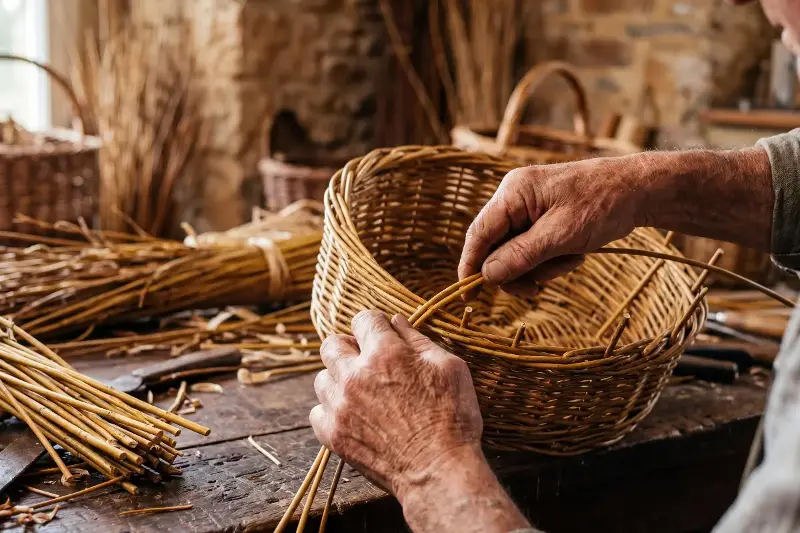
- Sustainable Home Goods: Villagers twist them into durable mats, baskets, and cooling roof thatch.
- Climate Control: In Japan, traditional sudare blinds made from reeds have shielded homes from the sun for centuries, merging elegance with extreme practicality.
- Modern Innovation: Contemporary architects and designers are exploring lightweight reed panels as a renewable building material, valuing both their rustic aesthetic and their impressive environmental footprint.
GUARDIANS WORTH PROTECTING: THE FUTURE OF REEDY LANDSCAPES
Despite their resilience, reed habitats are under threat from urban expansion and shifting climate patterns. Conservationists are racing to protect these areas, recognizing their vital role as natural carbon sinks that help stabilize our planet’s climate.
The world is waking up to the value of living alongside these plants. Next time you pass a marsh or lakeshore, take a moment to observe the rustling stems. You will find a world of beauty, ingenuity, and timeless connection—a living testament to nature’s power to heal, renew, and sustain life.