


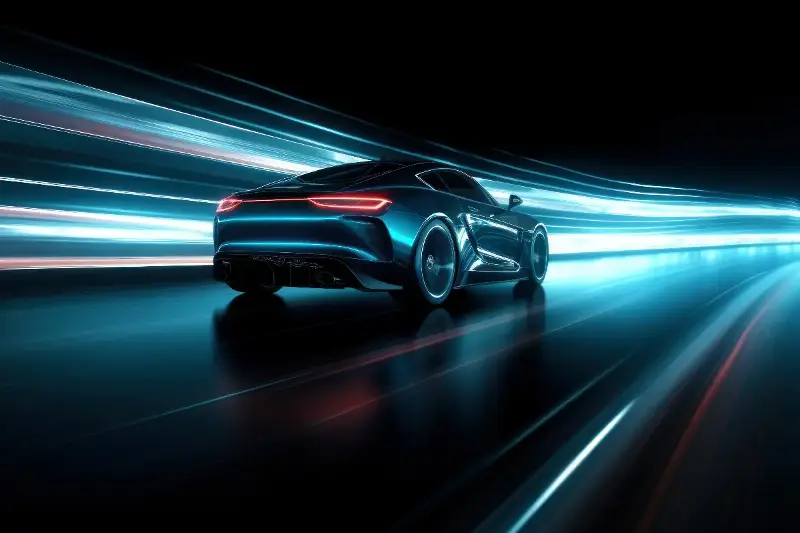
Electric vehicles have completely redefined what it means to be quick. A decade ago, the fastest acceleration figures belonged almost exclusively to exotic supercars with roaring engines, complex dual-clutch gearboxes, and carefully tuned launch control. Today, a quiet family sedan or electric crossover can surprise high-end sports cars at a traffic light or drag strip.
The real advantage of an electric vehicle comes from how quickly and efficiently an electric powertrain converts stored energy into motion. With instant response, sophisticated traction control, and no conventional gear changes, high-performance electric cars deliver a breathtaking burst of speed from a standstill.
Instant Power Changes Everything
An internal combustion engine requires time to build maximum power. When a driver presses the accelerator, fuel and air enter the cylinders, combustion occurs, engine speed rises, and turbochargers need time to build boost. While modern sports cars have reduced these delays significantly, they cannot eliminate them entirely.
An electric motor operates completely differently:
- Immediate torque delivery: Electrical current flows instantly from the battery to the motor the moment the driver steps on the pedal.
- Response in milliseconds: Force is applied almost instantly, long before a gas engine can reach its peak performance range.
- Precision launching: Electronic management prevents excessive wheelspin, allowing the vehicle to launch effortlessly from a complete stop.
Uninterrupted Acceleration Without Gear Shifts
Most traditional high-performance vehicles rely on multi-speed transmissions to keep the engine operating within its optimal powerband. Even the fastest gear shifts create subtle interruptions in momentum.
By contrast, most electric cars utilize a single-speed reduction gear. Because electric motors function efficiently across a massive speed range, frequent gear shifts are simply unnecessary. The result is a smooth, continuous push from zero to highway speeds.
While certain high-performance electric models use a specialized two-speed transmission on the rear axle to boost top-end performance, the overall driving sensation remains extraordinarily seamless compared to traditional gearboxes.
Advanced All-Wheel Drive and Precision Traction
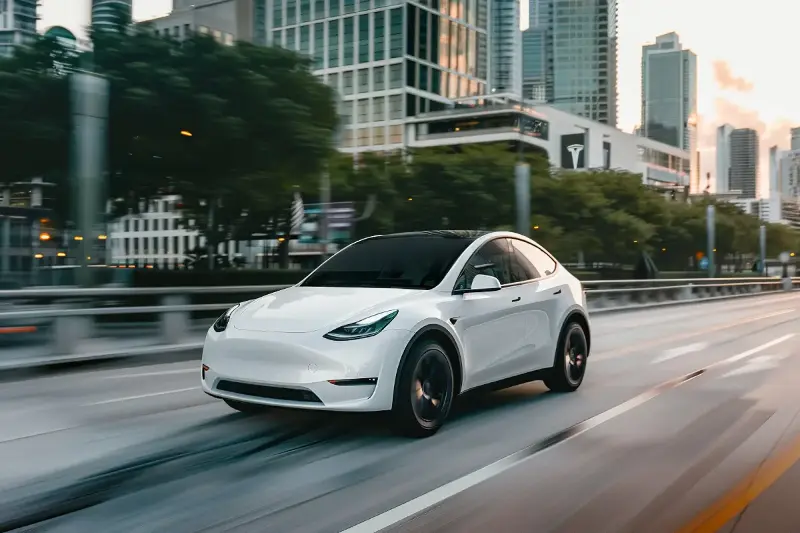
Many of the quickest electric vehicles feature dual, triple, or quad-motor configurations. By placing independent motors on different axles, engineers create advanced all-wheel-drive systems without requiring a heavy central driveshaft.
This design grants extraordinary traction management:
- Microsecond power adjustments: The onboard computer monitors wheel grip thousands of times per second.
- Dynamic torque vectoring: If a tire begins to lose traction, power is instantly redirected to wheels with more grip.
- Explosive launches: Vehicles like the Tesla Model S Plaid, Lucid Air Sapphire, and Rimac Nevera maximize every ounce of available friction to achieve zero-to-sixty times under two seconds in ideal conditions.
Low Center of Gravity and Dynamic Balance
Instant torque is vital, but acceleration ultimately depends on tire grip. Electric vehicles excel here due to their structural architecture. Heavy battery packs are installed flat beneath the floor, creating a remarkably low center of gravity.
This low weight distribution reduces body roll and prevents excessive rear-end squat during hard acceleration, keeping all four tires firmly planted against the road surface.
Accessible Performance for Everyday Drivers
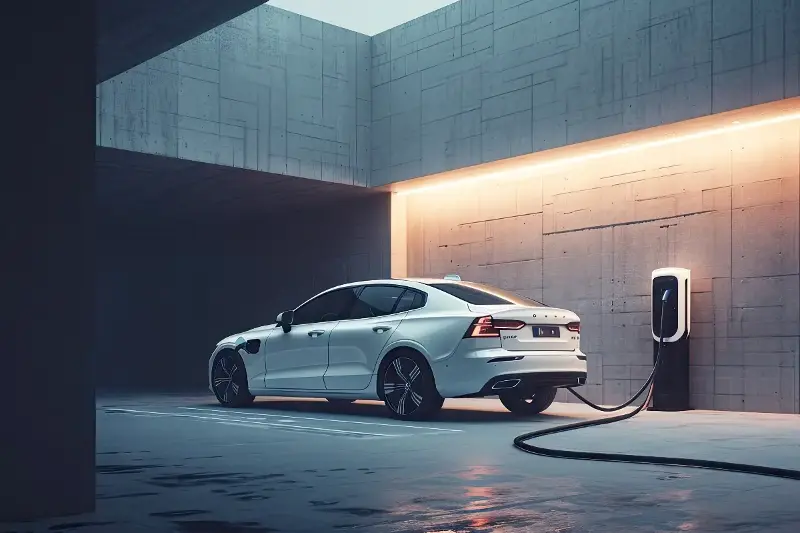
In a traditional performance car, achieving rapid acceleration requires mastering launch control, selecting the ideal gear, and managing high engine revolutions. In an electric vehicle, that complex performance is effortlessly accessible.
The vehicle's software handles thousands of calculations behind the scenes—balancing battery output, motor speed, and traction stability instantly. This seamless delivery allows practical electric vehicles to match the performance of rare supercars while remaining comfortable everyday drivers.