


Some classic cars do far more than preserve a chapter of automotive history. They stand as enduring symbols of freedom, glamour, engineering ambition, and the changing dreams of entire generations. Their sweeping curves are instantly recognizable, their names still stir profound emotion, and their memorable appearances in cinema and popular culture have secured their status as global legends.
The most beautiful classics are not always the fastest or rarest. Often, their lasting power stems from a perfect harmony of craftsmanship, design, and storytelling. From sleek European grand tourers to bold road cruisers, these six automotive masterpieces continue to captivate audiences decades after leaving the factory floor.
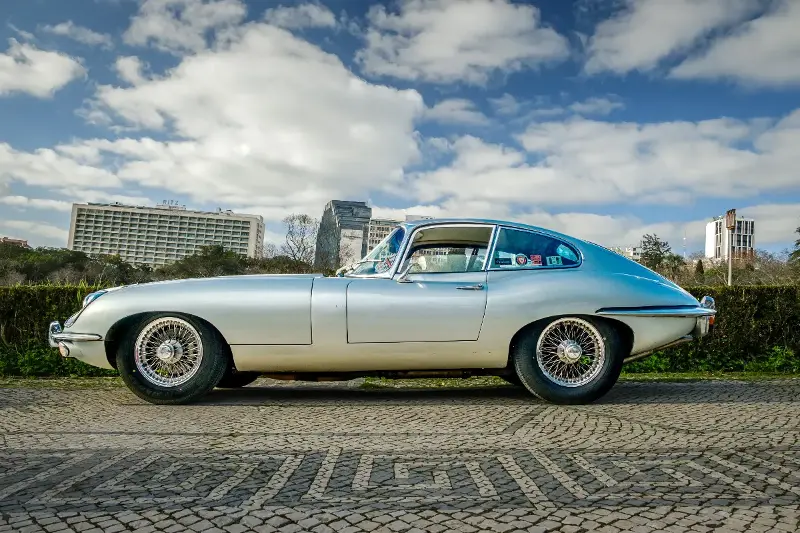
Jaguar E-Type: The Swinging Sixties Icon
When Jaguar unveiled the E-Type at the Geneva Motor Show in 1961, it created an immediate sensation. Featuring a low bonnet, oval grille, and tapered rear, it possessed a silhouette unlike anything else on the road. Enzo Ferrari famously called it “the most beautiful car ever made,” a tribute that cemented its legendary status.
Beyond its stunning appearance, the E-Type offered exceptional performance:
- Motorsport DNA: Powered by a 3.8-litre straight-six engine derived from Jaguar’s Le Mans racing program.
- Advanced Engineering: Equipped with independent rear suspension and four-wheel disc brakes.
- Thrilling Speed: Capable of reaching 150 mph, making it remarkably swift for its era.
The E-Type quickly became an emblem of 1960s style, adored equally by collectors, celebrities, and design enthusiasts worldwide.
Mercedes-Benz 300 SL: The Gullwing Dream
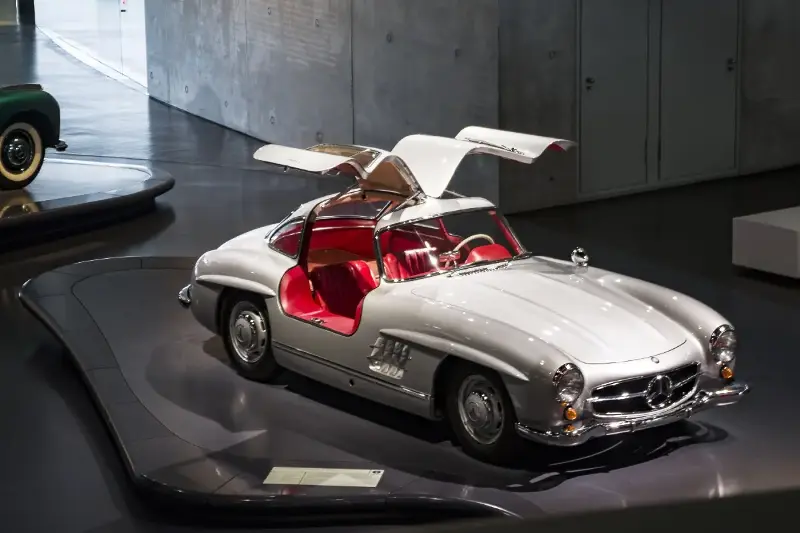
Introduced in 1954, the Mercedes-Benz 300 SL “Gullwing” remains one of the most recognizable automobiles ever built, largely due to its dramatic upward-opening doors. Based on a lightweight tubular spaceframe, the car’s high side sills made conventional doors impractical, sparking an extraordinary design innovation.
Its shape was both purposeful and streamlined:
- Aerodynamic Form: A long nose, rounded roofline, and compact tail minimized wind resistance.
- Groundbreaking Power: A direct fuel-injected 3.0-litre engine made it the world's fastest production car of its time, approaching 160 mph.
With only 1,400 coupe units produced between 1954 and 1957, the Gullwing remains an everlasting emblem of post-war optimism and technical ingenuity.
Ferrari 250 GTO: The Racing Masterpiece
Few machines combine beauty, rarity, and racing pedigree as completely as the Ferrari 250 GTO. Built between 1962 and 1964 for grand touring competition, its rounded front wings, muscular haunches, and functional air intakes create a profile that looks fast even while standing still.
- Ultra-Exclusive Production: Just 36 examples were ever handcrafted.
- Glorious V12 Engine: Every car was built around Ferrari's celebrated 3.0-litre Colombo V12.
- Triumphant Heritage: Competed victoriously in world-class endurance events, including the Tour de France Automobile.
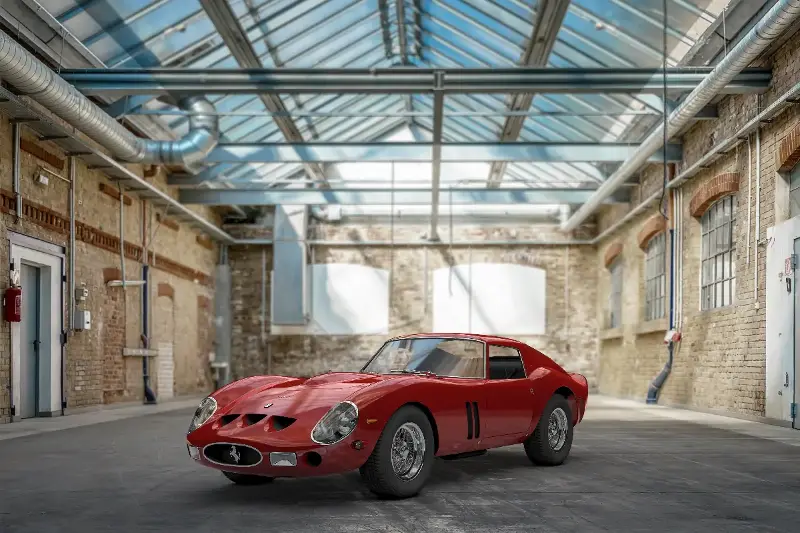
Today, the 250 GTO represents a golden era when pure racing machines could still be driven joyfully on public roads.
Citroën DS: The Future Arrives Early
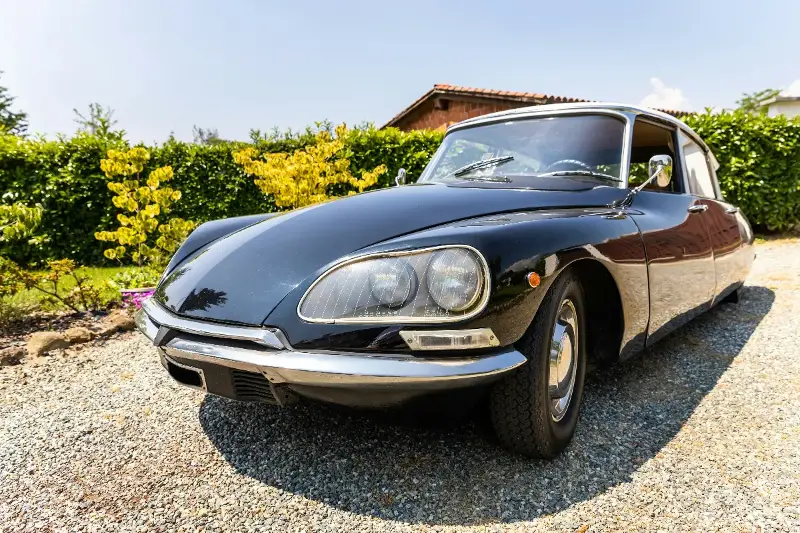
Unveiled at the Paris Motor Show in 1955, the Citroën DS looked like a futuristic vessel from another world. With its aerodynamic, spaceship-like body and covered rear wheels, it stood dramatically apart from the boxier designs of the 1950s.
The DS was equally revolutionary beneath its skin:
- Hydropneumatic Suspension: Delivered an exceptionally smooth ride with self-leveling height adjustment.
- Innovative Features: Introduced power steering, semi-automatic transmission options, and directional headlights that turned with the steering wheel.
Philosopher Roland Barthes marveled at its daring aesthetic, and the DS remains a celebrated design icon that proved a family car could be adventurous, elegant, and technologically brilliant.
Ford Mustang: Defining a Generation
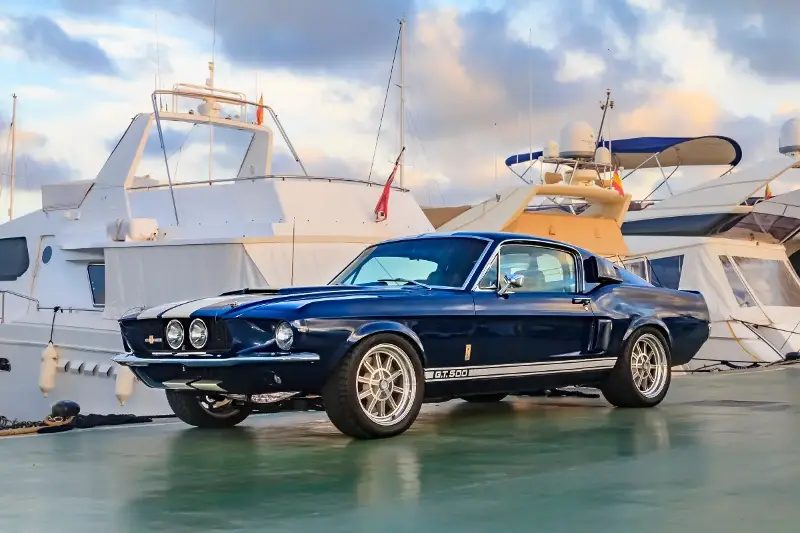
The Ford Mustang debuted in April 1964 and instantly became a cultural phenomenon, selling over 400,000 units in its first year. Its long bonnet, short rear deck, and accessible pricing gave drivers a sporty car that felt deeply personal and exciting.
The Mustang pioneered the beloved “pony car” segment, offering versatility for every driver:
- Customizable Options: Available in everything from practical six-cylinder models to high-performance V8 engines.
- Cinematic Fame: Featured in iconic film moments that celebrated the thrill of the open road.
By connecting head-turning style with a feeling of personal freedom, the Mustang secured its place as an enduring favorite across generations.
Porsche 911: A Silhouette That Endured
First appearing in 1964, the Porsche 911 boasts a timeless silhouette that has survived for over six decades. Its signature rounded headlights, gently sloping roofline, and rear-engine layout created an unmistakable identity that Porsche has carefully refined while staying true to the original concept.
Early 911s utilized air-cooled flat-six engines mounted behind the rear axle. This unique setup rewarded skilled drivers with outstanding traction, sharp handling, and unmatched personality. As a champion in rallies, endurance races, and daily commutes, the 911 remains one of the rare classics that feels both historically significant and wonderfully modern today.