


With their towering frames, ancient origins, and thick armor-like skin, wild rhinos are among the world’s most fascinating and misunderstood creatures. Today’s rhinos are fighting for their very survival, but their story is one of evolutionary wonder, ecological importance, and resilience. Here’s a closer look at some incredible facts about these gentle giants and the surprising spark of hope in their ongoing battle against extinction.
Modern-Day Dinosaurs: The Origins and Anatomy of Rhinos
Rhinoceroses have been roaming our planet for over 50 million years, outdating many well-known animal groups. Their lineage can be traced back to the Eocene epoch, making them ancient survivors that once shared the Earth with saber-toothed cats and giant prehistoric turtles.
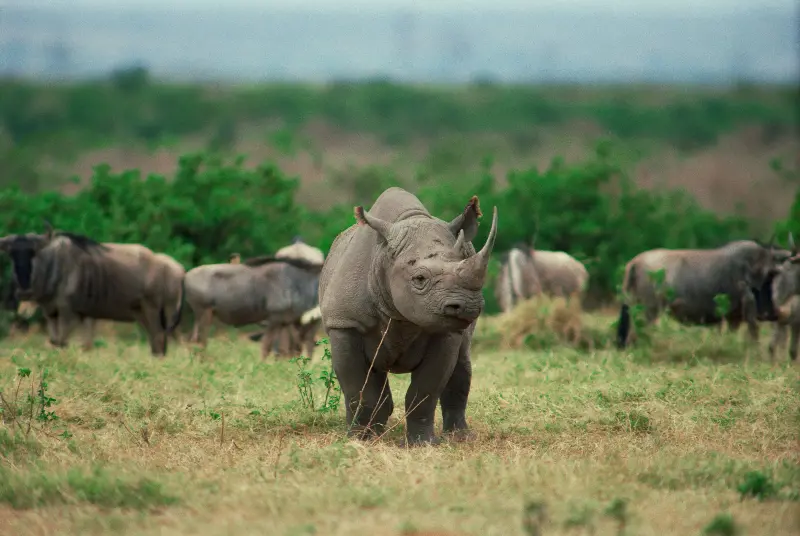
There are five remaining species of wild rhino: two in Africa (the black rhino and the white rhino) and three in Asia (the Indian, Javan, and Sumatran rhinos). Each species varies in size, horn count, and habitat, but they all display the same hallmark features – massive bodies, thick, folded skin that looks like a suit of armor, and one or two prominent horns made of keratin (the very same protein found in human hair and nails).
Despite their seemingly tough exteriors, rhinos have sensitive skin that can sunburn and suffer from insect bites. That’s why African rhinos are often seen wallowing in mud or accompanied by small birds like oxpeckers, who help clean away parasites.
Nature’s Landscapers and Ecosystem Engineers
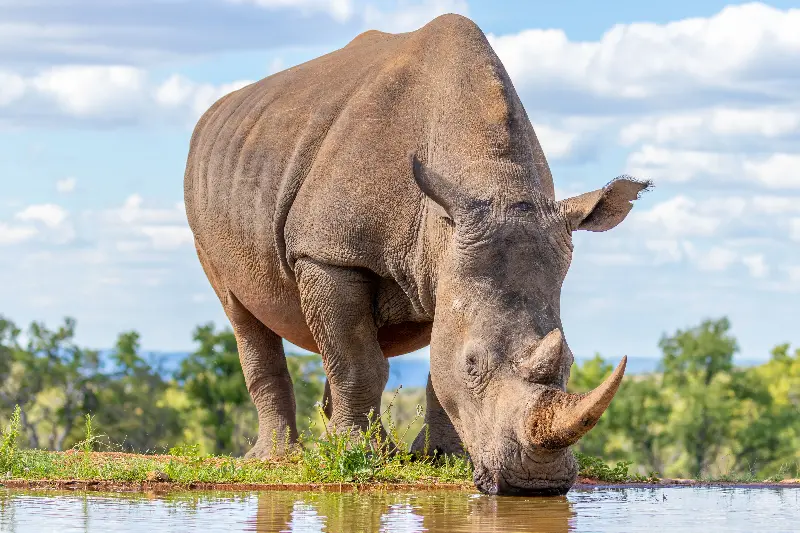
Rhinos aren’t just charismatic giants; they play vital roles in shaping the landscapes around them. As mega-herbivores, they graze and browse vast areas of grassland and forest. African white rhinos, for instance, are "mowers," often seen with their wide mouths cropping grass like living lawnmowers, while black rhinos are "browsers," using their pointed lips to nibble on bushes and small trees.
Their eating habits help prevent bush encroachment, maintain healthy ecosystems, and create open spaces for other animals to thrive. When rhinos wallow, they create mud pools that are used by countless other species, from birds to insects to amphibians. Even their dung, deposited in communal “middens,” spreads seeds and fertilizes the soil, boosting plant diversity.
Unlikely Behaviors and Secret Social Lives
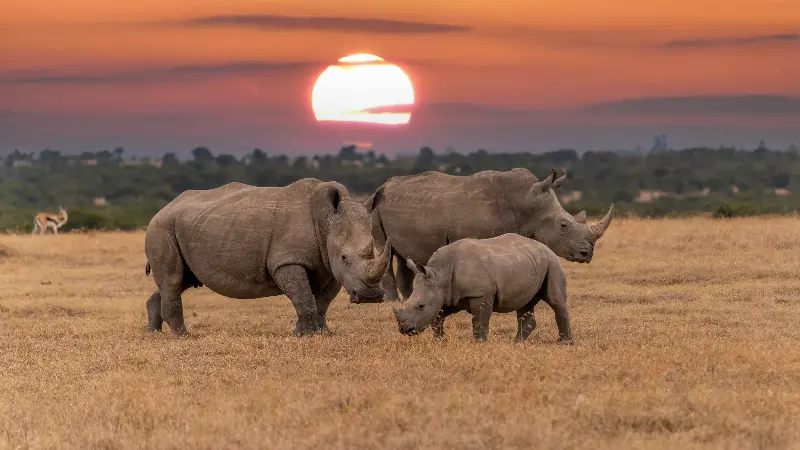
Though often portrayed as solitary and bad-tempered, rhinos display a rich tapestry of behaviors. White rhinos, in particular, can be surprisingly social, forming groups called “crashes.” These groups consist mainly of mothers and their calves or sub-adult males, sometimes reaching up to 14 individuals. The infamous “charge” of a rhino often stems from poor eyesight, but their hearing and sense of smell are exceptional—helping them navigate their world and detect threats.
Another unexpected fact: rhinos communicate with grunts, growls, sneezes, and even a special sound made by passing air through their nostrils, known as “trumpeting.” Mothers are fiercely protective, forming strong bonds with their young, who stay with them for up to three years.
Challenges on the Brink: The Threat of Extinction
Despite their incredible adaptations, wild rhinos are in crisis. The main threat? Human activity. Poaching for their horns – wrongly believed in some cultures to have medicinal or magical properties – has decimated populations. In the early 20th century, hundreds of thousands of rhinos roamed Africa and Asia. Today, only around 27,000 remain in the wild.
Habitat loss from agriculture, infrastructure, and human settlement further shrinks their territory, splitting populations into smaller, more vulnerable groups. Some species, like the Javan and Sumatran rhinos, have fewer than 80 individuals left, pushed to the brink of complete extinction.
Signs of Hope: Conservation Success Stories
Yet amid mounting challenges, there are inspiring stories of hope. Thanks to coordinated global conservation efforts, the white rhino population in southern Africa was brought back from just 50 individuals in the early 1900s to over 18,000 today. Intensive anti-poaching patrols, habitat protection, and community-based conservation projects have made a real difference for some populations.
Innovative approaches like relocating rhinos to undisclosed safe havens, using drones for surveillance, and even fitting rhinos with GPS trackers are helping protect them from poachers. In Asia, breeding programs for Indian rhinos in protected reserves like Kaziranga National Park have seen their numbers rise from just a handful to over 3,500.
More recently, scientists and conservationists have begun using advanced reproductive technology, including in vitro fertilization, to try and save the northern white rhino, which is functionally extinct in the wild.
What Rhinos Teach Us About Nature and Ourselves
Wild rhinos are powerful symbols of what’s at stake in the fight for biodiversity. Their continued existence depends not just on ecologists or rangers, but on the collective action and awareness of people around the globe. Every successful conservation story proves that hope is not lost when humans work together, innovate, and respect the natural world.
Rhinos are not only relics from a primeval past—they are keystones of the future, reminders of how vast, wondrous, and interconnected our world truly is. Sharing their story is a first step in ensuring these armored giants continue to roam the wild for generations to come.