



Every comic book universe has its superheroes—the ones who leap tall buildings, outrun trains, heal instantly, and see the world in ways most of us can barely imagine. But step out into the wild, and you’ll discover nature’s very own lineup of real-life superheroes, each equipped with abilities that often put their fictional counterparts to shame. From self-regenerating sea creatures to mammals with ultrasonic power, let’s step into the secret world of animals with mind-blowing “superpowers” that spark the imagination and showcase the breathtaking creativity of evolution.
MASTERS OF REGENERATION: LORDS OF THE COMEBACK
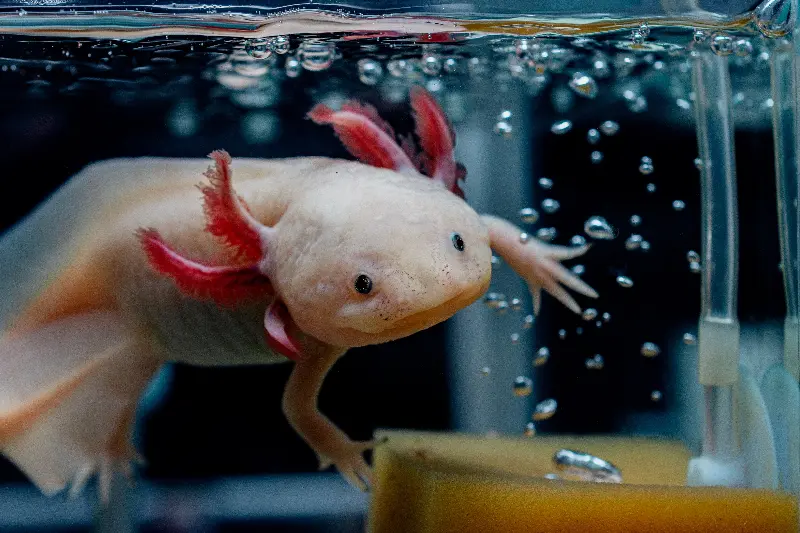
Among the animal kingdom, some creatures have turned what we might call a stubbed toe into a chance for a fresh start—by regrowing entire limbs, organs, or even parts of their brains. The Axolotl, a rare Mexican salamander fondly called the “Mexican walking fish”, is perhaps the most legendary regenerator of the animal world.
- Total Regrowth: Lose a leg? It’ll grow right back—bone, muscle, nerves, skin, and all.
- Vital Repairs: It can even regrow a chunk of its spinal cord and parts of its heart or brain.
- Scientific Interest: Researchers are pouring resources into uncovering the secret behind the axolotl’s healing powers, with hopes for revolutionary breakthroughs in human medicine.
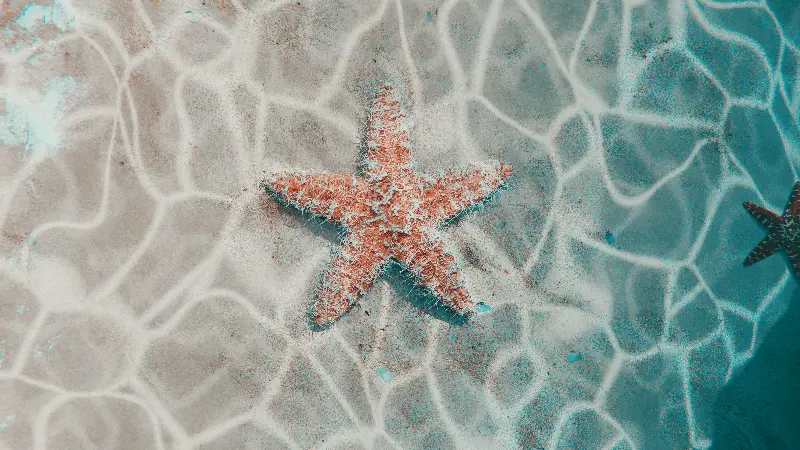
But axolotls aren’t alone in this category. Sea stars can regenerate missing arms, often sacrificing one to escape predators, while planarian flatworms can regrow their entire bodies from just a few cells. Even some lizards, like the green anole, can drop and regrow tails as a clever escape tactic. When it comes to resilience, these animals truly exemplify the ultimate comeback.
NATURE’S BEST ARMOR: INVULNERABILITY UNLEASHED
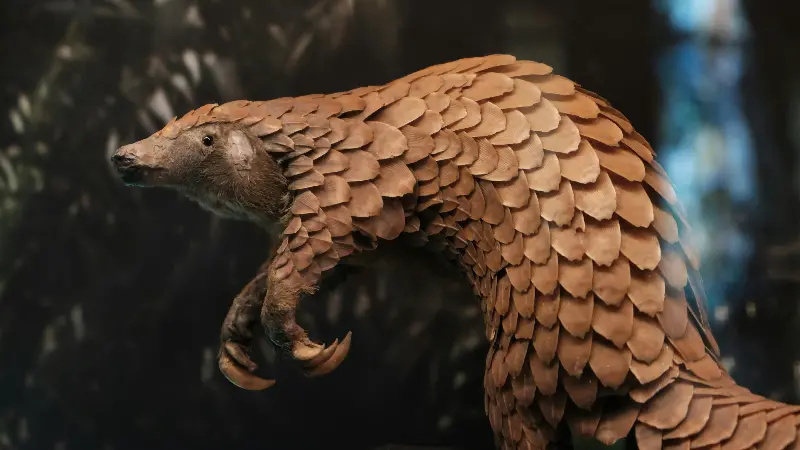
Move over, Iron Man—animals have evolved physical defenses that would make any hero envious. Meet the Pangolin, the only mammal wholly clad in scales. With armor made from keratin—the same protein found in human fingernails—pangolins roll into an impenetrable ball, thwarting lion attacks and deflecting bites with ease.
Other masters of invulnerability include:
- Armadillos: Sporting overlapping bony plates that act as a biological shield.
- Tardigrades: These eight-legged micro-animals can outlast almost anything, from boiling water to the vacuum of outer space.
- Extreme Resilience: Scientists have frozen them, bombarded them with radiation, and even sent them into orbit; tardigrades simply shrug it off and keep crawling.
SUPER SENSES: BEYOND HUMAN PERCEPTION
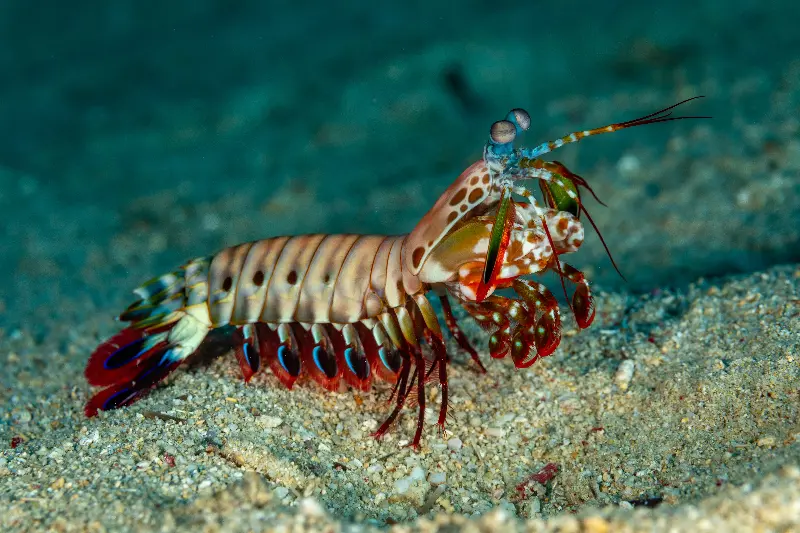
Imagine seeing ultraviolet patterns invisible to the naked eye or navigating cities using Earth’s magnetic field. These aren’t sci-fi fantasies—many animals do this daily. The Mantis Shrimp, for example, wields one of the most complex visual systems ever discovered. With up to 16 different types of color receptors (humans have just three), it can detect polarized light and a spectrum that includes ultraviolet.
Furthermore, the world of sound and magnetism offers incredible advantages:
- Echolocation: Bats, whales, and dolphins emit high-frequency sounds to build a sonic map of their surroundings, allowing them to hunt in total darkness.
- Magnetoreception: Migratory birds and certain fish sense Earth’s magnetic field. The homing pigeon uses tiny crystals of magnetite in its beak and brain to navigate across thousands of miles.
STRENGTH AND SPEED: OLYMPICS OF THE WILD
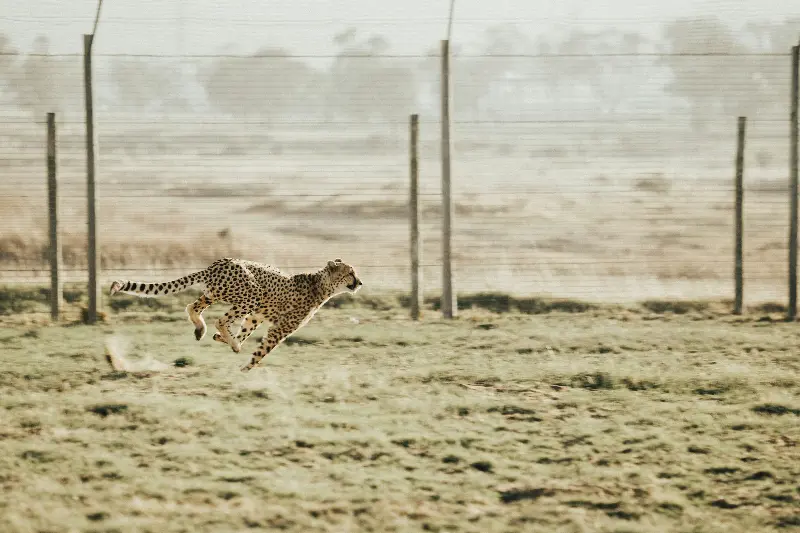
The Cheetah is almost synonymous with speed, sprinting at up to 70 mph (112 km/h) to run down gazelles. Yet in the strength department, few animals rival the humble Dung Beetle. These insects can pull over 1,000 times their own body weight—that’s equivalent to a human hauling six double-decker buses!
We also cannot overlook the heavy hitters of the sky and sea:
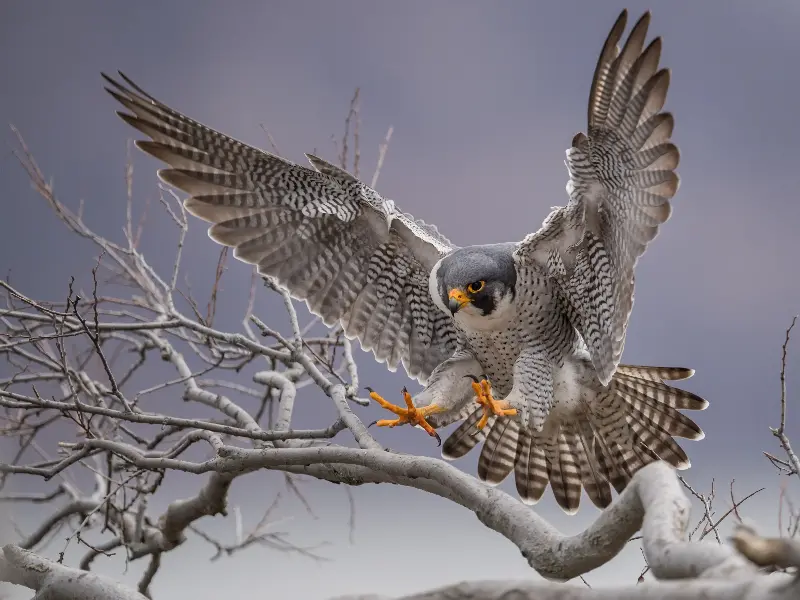
- Peregrine Falcon: The world’s fastest animal. When it dives in a "hunting stoop," it reaches speeds over 240 mph (386 km/h).
- Mantis Shrimp (again): Its punching limb accelerates with the force of a .22 caliber bullet, powerful enough to shatter crab shells or thick aquarium glass.
MASTER CHEMISTS: THE ART OF DEFENSE
If you think superheroes have cool gadgets, nature’s chemists put them to shame. The Bombardier Beetle fires boiling chemical sprays from its rear end, mixing hydrogen peroxide and hydroquinone in an explosive reaction.
In the tropical rainforests, the Blue Poison Dart Frog—though only an inch long—boasts skin so toxic that one frog contains enough poison to kill ten grown men. Its vivid blue color serves as a neon warning: “Don’t even think about it!” Similarly, the Electric Eel can deliver a shock of up to 600 volts, a jolt high enough to stun prey and ward off the largest predators.

FROM SCIENCE TO INSPIRATION
Though we might not be able to grow back limbs or punch through glass, studying these animal superheroes offers more than just fascinating stories—it provides blueprints for scientific advances.
- Engineering: Engineers study gecko feet to design better industrial adhesives.
- Medicine: Doctors look to the regenerative livers of rats and the blood of horseshoe crabs for medical insights.
Nature’s real-life superheroes are proof that there are extraordinary powers all around us, waiting to be discovered. The next time you marvel at a blockbuster hero, remember: some of the most amazing superpowers were imagined by evolution first.