


The digital age offers children incredible opportunities to learn, connect, and create. Yet, just as we teach our kids to look both ways before crossing the street, we must now guide them to navigate the internet safely. One real and rising threat is cyberbullying, and the good news is that with early attention, understanding, and a few wise steps, parents can dramatically reduce the risks before bullying even begins.
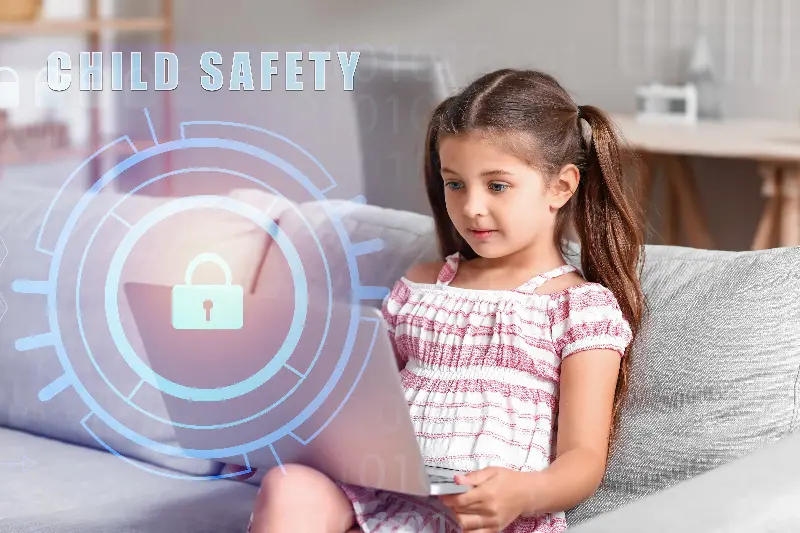
Understanding Cyberbullying: More Than Just Mean Comments
Cyberbullying goes beyond simple teasing or online disagreements. It includes spreading rumors, sharing private information, sending threatening messages, creating fake profiles, and excluding others from online groups. Unlike traditional bullying, cyberbullying can happen any time of day, follow a child home, and be witnessed by a much larger audience.
Research from the Cyberbullying Research Center shows that about one in three children ages 12-17 have experienced cyberbullying. The effects can last far beyond the screen, causing anxiety, depression, school avoidance, and in severe cases, self-harm. Recognizing the seriousness is the first step toward prevention.
Open Communication: The Most Powerful Digital Safety Tool
Perhaps the most effective tool for parents in the digital world is open, judgment-free communication. Encourage your child to share their online experiences, friends, and even the challenges they face. Let them know they can talk to you about anything they encounter, good or bad, without fear of losing their devices or being blamed.
Try watching or playing online games together, or scrolling through social media as a team. When you’re familiar with your child’s favorite platforms, it becomes natural to discuss safety, privacy, and what to do if something feels off. Phrases like, “What would you do if someone wrote something unkind online?” or “How would you help a friend being bullied?” spark discussion and build confidence for handling tricky situations.

Smart Privacy: Protecting Personal Information
A major way cyberbullying can escalate is through the misuse of personal information. Help your child create strong, unique passwords for their accounts and remind them never to share them—even with close friends. Review privacy settings together on all devices and accounts. Many platforms default to more public profiles, so turning settings to “private” or “friends only” can go a long way.
Encourage your child to think twice before posting photos, updates, or personal details like addresses, phone numbers, the name of their school, or plans for the weekend. Explain that once something is shared online, it can be hard—sometimes impossible—to fully erase.
A fun fact to share with your kids: it’s estimated that every minute, over 500 hours of video are uploaded to YouTube and 350,000 tweets are sent on X (formerly Twitter). With so much content online, protecting personal information is not about hiding—it’s about being smart.
Spotting the Signs: When to Step In
Cyberbullying doesn’t always look like classic bullying. Watch for changes in your child’s mood or habits, such as reluctance to go to school, sudden withdrawal from friends or family, unexplained anger after using their phone, or a drop in grades. Some children become secretive about their devices, while others may complain of headaches or trouble sleeping.
If something seems off, don’t panic. Start with gentle questions and offer support: “I’ve noticed you seem upset after reading messages. Is something going on you’d like to talk about?” Sometimes just knowing you’re there to listen makes a world of difference.

Setting Healthy Boundaries: Digital Rules That Work
Collaborate with your child to create rules for digital device use. This might include limits on Screen Time, rules about chatting with strangers, and guidelines for sharing photos or videos. Encourage regular tech breaks, such as “no phones at meals” or “screens off before bedtime,” to maintain balance and support mental well-being.
Remember, these rules aren’t about punishment—they’re about building habits that support healthy development. Studies show that children whose parents discuss online behavior are less likely to engage in or experience cyberbullying themselves.
Empowering Kids With Digital Skills
Finally, it’s vital to teach your children how to take action if they encounter cyberbullying. Show them how to block, mute, or report users on the platforms they use. Make sure they know how to save evidence by taking screenshots, which can be especially helpful if they need to report the bullying to a teacher, counselor, or in rare cases, law enforcement.
Reassure your child that telling an adult isn’t tattling—it’s standing up for themselves and others. Many schools now have anonymous reporting systems or digital safety officers, and some social media platforms have quick, user-friendly reporting tools.
Remind your children of the power of kindness online. Encourage them to be an “upstander” rather than a bystander, supporting peers who may be targeted. Something as simple as sending a kind message or refusing to forward a hurtful post can both stop bullying and build resilience.
Raising kids in the digital age doesn’t have to be scary. By staying curious, connected, and proactive, parents can create a safe, positive space for children to explore the internet and grow into confident digital citizens. The best defense against cyberbullying is prevention—and with a caring guide by their side, your child is well prepared for the road ahead.