


From the screech of tires echoing through cinema screens to the record-breaking runs on legendary raceways, the world’s fastest cars have always captured the human imagination. Whether you’re a lifelong car enthusiast or just love a good adrenaline rush, the pursuit of ultimate speed is a story filled with passion, rivalry, and incredible technology. Let’s buckle up and shift into high gear as we explore some of the most astonishing truths behind the fastest cars ever created.
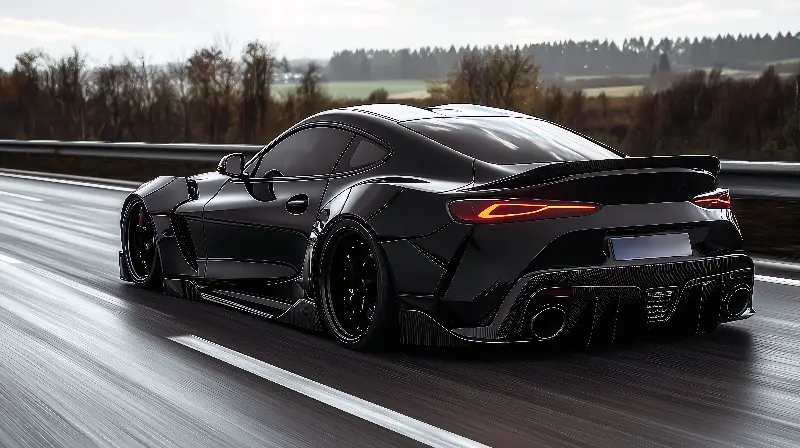
Born For Speed: The Origins Of Supercar Obsession
Long before Vin Diesel’s gravelly voice and Dom Toretto’s love for family made muscle cars mainstream, the quest for speed began on dusty European roads and salt flats. The term “supercar” is believed to have first appeared in a 1920s British newspaper referring to the 1920 Ensign Six—but it wasn’t until the booming post-war era that brands like Ferrari, Lamborghini, and Jaguar began systematically pushing the limits of what was possible on four wheels.
Our modern obsession with speed can be traced back to iconic records like the 1947 land speed record, when the legendary “Railton Mobil Special” broke the 400 mph barrier. Since then, every decade has seen new titans emerge, each shaving tenths of a second off the time it takes to rocket from 0 to 60 mph, and upping the ante for top speed.
Blurring The Line: Street-Legal Versus Track Monsters
There’s an ongoing rivalry in the automotive world—who claims the title of “world’s fastest car”? It all depends on your definition. Some records are set by pure, track-only machines—technological marvels built with no compromises for comfort or legality. Others belong to street-legal supercars, those wild rides that, at least in theory, could pick up groceries on the way to breaking the sound barrier.
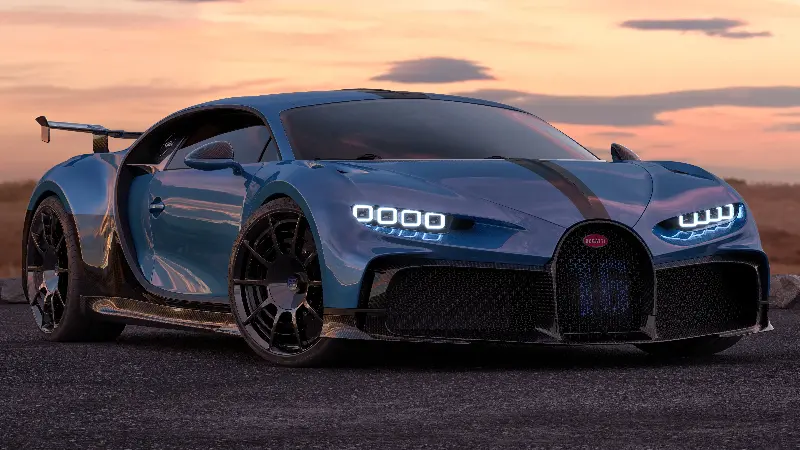
One of the most frequently cited street-legal speed kings is the Bugatti Chiron Super Sport 300+. This astonishing machine broke the mythical 300 mph (482.8 km/h) barrier in 2019, reaching 304.77 mph (490.48 km/h) on Volkswagen’s Ehra-Lessien test track in Germany. What’s more impressive is the Chiron’s quad-turbocharged W16 engine, which produces a heart-stopping 1,577 horsepower—more than 16 times the output of a typical family sedan.
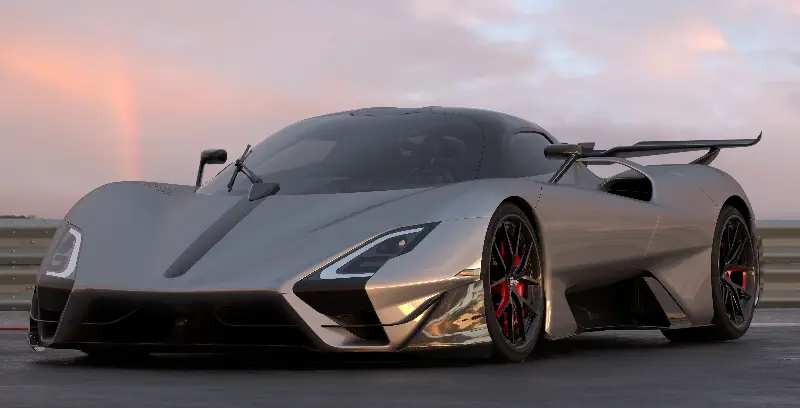
Not to be outdone, American contenders like the SSC Tuatara and Hennessey Venom F5 have engaged in high-stakes “top speed wars.” The Tuatara, in particular, claimed an astonishing 316.11 mph (508.73 km/h) record, though controversy surrounded the testing methods. Meanwhile, the Hennessey Venom F5 aims to crack the elusive 311 mph (500 km/h) mark, continually raising the stakes in an international race that feels lifted straight from a Fast & Furious script.
Innovation On Wheels: The Science Behind Blazing Speeds
Achieving mind-bending speed isn’t merely about raw power. Aerodynamics, weight, material science, and tire technology play integral roles in how fast a car can safely travel. The shadowy wind-tunnel is where many legends are born, with engineers obsessing over every curve, vent, and spoiler.
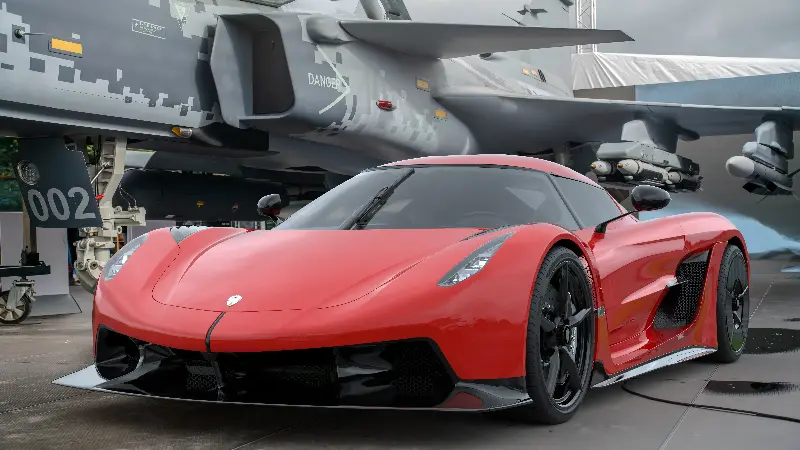
Some supercars employ “active aerodynamics,” where computer-controlled wings and flaps adjust automatically to maximize grip and stability. The Koenigsegg Jesko Absolut, for example, was designed with minimal aerodynamic drag, aiming for a theoretical top speed of over 330 mph (531 km/h). Its sleek body features a drag coefficient as low as 0.278—a number that would make any aircraft designer jealous.
But with great speed comes enormous heat and danger. Specialized carbon-ceramic brakes, adaptive suspension systems, and even special tire compounds—engineered in collaboration with giants like Michelin—are all essential for transforming explosive acceleration into a smooth, controlled ride. The complexities behind each record attempt underline that pure speed isn’t just about strapping in a more powerful engine—every tiny detail matters.
Cultural Icons: Fast Cars In Media And Pop Culture
The craving for speed isn’t just reserved for closed circuits or collections locked away in billionaire garages. The world’s fastest cars have confidently roared into our living rooms through pop culture. The Fast & Furious franchise—spanning over two decades—did more than entertain with outrageous stunts and global car chases; it reignited mainstream fascination with the mechanical artistry behind every supercar.
Beyond the silver screen, automotive legends like the McLaren F1 have found their way into countless video games, posters, and even hip-hop lyrics. In its day, the McLaren F1 was the undisputed king, hitting 240.1 mph (386.4 km/h) in 1998—a record for naturally aspirated engines that still stands. The legacy of these cars goes far beyond numbers; they inspire dreams and stir passions worldwide.
Beyond The Horizon: The Future Of Ultimate Speed
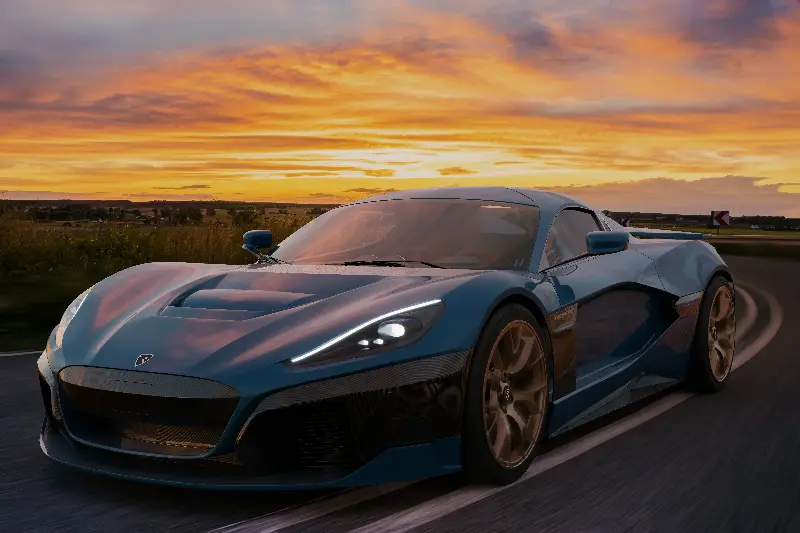
With the electric revolution sweeping the automotive world, a new breed of “hypercars” is gearing up to redefine speed once again. Electric powertrains, instant torque, and advanced materials could soon shatter old records. The Rimac Nevera, an all-electric marvel from Croatia, has already stunned with 1,914 horsepower and a 0-60 mph time under 1.9 seconds—a feat once thought impossible outside science fiction.
As technology races forward, so does our fascination with going faster, farther, and higher. Whether on the silver screen or the open road, humanity’s bond with speed remains unbreakable. The next time you hear the thunder of an engine or feel the pulse of acceleration, remember: you’re experiencing a living legacy forged by legends who dared to chase the horizon.