



The world of music is always evolving, and 2025 is already being hailed as the year that fusion music finally takes center stage. No longer confined to niche playlists or underground clubs, the fusion phenomenon is lighting up charts, selling out arenas, and bringing diverse audiences together like never before. The surge in fusion music series has sparked excitement and curiosity, shining a spotlight on the magic that happens when genres collide.
The Evolution Of Fusion Music
Fusion music is not a newcomer to the global stage. Its roots trace back to bold experiments in the 1960s and 70s, when artists like Miles Davis combined jazz with rock, creating a sound that both thrilled and puzzled listeners. Over the years, musicians from all over the world have blended traditional sounds with contemporary beats, laying the groundwork for what we see today. What makes 2025 unique is how fusion has moved from sporadic collaborations to carefully curated, high-profile series that celebrate cross-genre creativity.
Digital technology has also played a vital role in fueling this evolution. With advanced production tools, artists can effortlessly layer Afrobeat rhythms over K-pop vocals or blend classical strings with trap beats. Social media amplifies these collaborations, looping fans into the creative process and allowing talent from even the most remote corners of the globe to participate. The globalization of taste, quickened by streaming platforms, set the perfect stage for this year’s explosion of fusion series.
The Anatomy Of A Fusion Music Series
A fusion music series is more than a collection of songs; it’s an event that sparks conversation, collaboration, and celebration. 2025 has seen a proliferation of both televised and digital series, showcasing diverse and unexpected partnerships. Each episode or release invites artists to step outside their comfort zones and simultaneously challenges fans to expand their musical palettes.
Take “Global Grooves,” one of the standout series of the year. The show pairs artists from vastly different musical backgrounds—think a South Indian Carnatic vocalist with a Chicago-based hip-hop producer—and sets them loose in state-of-the-art studios. The result is a rich tapestry of sound that surprises and delights, often going viral within hours. Another hit, “Rhythm Exchange,” streams on popular music platforms and features improvisational jam sessions between jazz, reggae, and electronic musicians, with guest appearances by international pop stars.
These series are not limited to well-known acts. Many showcase emerging talent, often providing a springboard for artists whose unique sounds might otherwise fly under the mainstream radar. The effect is democratizing: anyone with a fresh perspective and a bold idea can take part, capturing the attention of millions of new fans.
Why Audiences Are Embracing Fusion
The success of fusion music series in 2025 is as much a social phenomenon as it is a musical one. Today’s listeners crave novelty, but not at the expense of authenticity. Fusion delivers both. By intertwining familiar melodies with new rhythms or unexpected languages, it stirs up curiosity and wonder. Fans often describe their reaction to fusion tracks as a feeling of discovery—not just of new music, but of new ways to connect with people from different cultures.
There’s a strong sense of unity in fusion’s appeal. As one concert-goer put it after attending the sold-out “United Beats” series in London: “It’s like the world’s playlist on shuffle. You hear sounds from home and then, seconds later, something totally new. It reminds us how much we all share.” In an era often marked by division, fusion offers a sonic antidote, highlighting how borders blur on the dance floor.
Brands and sponsors are also tuning in, realizing that the fusion boom attracts cross-generational, multicultural audiences. Major labels are greenlighting more cross-genre collaborations, and streaming services are launching dedicated fusion playlists that receive millions of plays per week.
The Impact On Artists And The Industry
For musicians, participating in fusion music series has become a coveted opportunity. Collaborating with artists from other genres not only sparks creativity but often leads to commercial success. Industry insiders point to the surprising chart performance of fusion singles, some of which have topped both pop and genre-specific charts simultaneously. These collaborations also bring artists to the attention of new, global fanbases, expanding their reach beyond traditional boundaries.
Producers report that the learning curve is steep but rewarding. Melding different musical structures and expectations forces everyone involved to adapt, listen, and innovate. This spirit of experimentation infuses the broader music industry with fresh energy, inspiring more risk-taking and open-mindedness. Record companies are hiring “genre bridges”—musicians and producers whose specialty is translating styles between worlds.
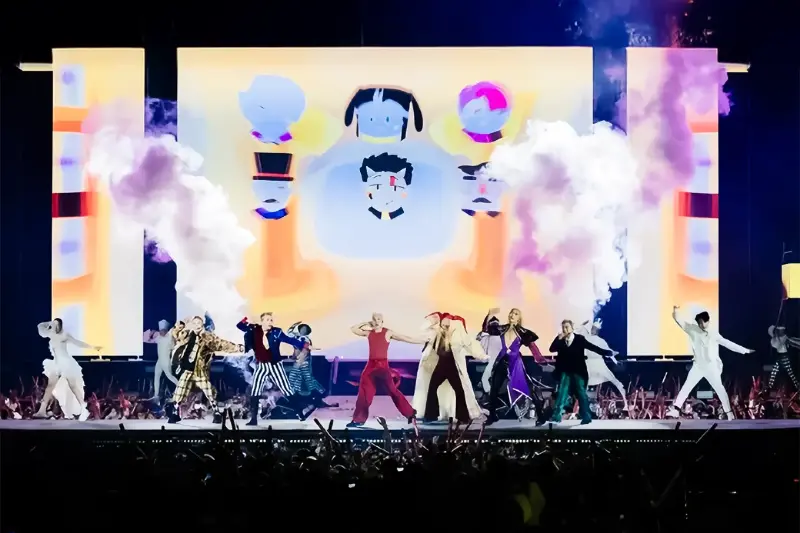
Worth noting is the rise of fusion festivals, traveling the world and introducing live audiences to previously unimaginable music partnerships. These events sell out rapidly, with fans eager to witness creativity unleashed in real-time.
Looking Ahead: A Lasting Musical Movement
As 2025 unfolds, it’s clear that the rise of fusion music series is more than a passing fad. These series are actively shaping musical trends, encouraging artists and audiences alike to defy expectations and embrace change. Experts predict that the current wave of innovation will influence mainstream pop, film soundtracks, and even advertising jingles for years to come.
At its heart, the fusion movement is about celebrating what’s possible when we let go of labels and limitations. Whether you’re an old-school purist or a streaming-era explorer, there’s never been a better time to tune in, turn up the volume, and discover the unexpected richness of fusion music.