


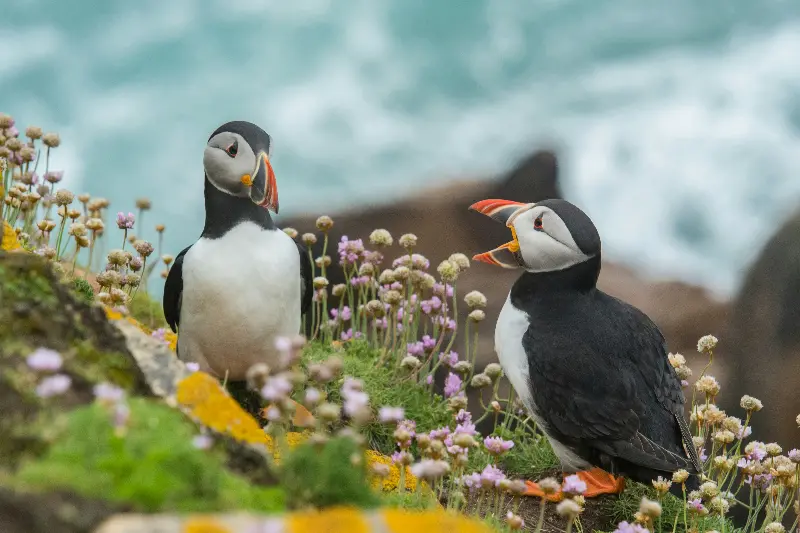
If you’ve ever come across a photograph of a puffin, you’ll remember it. These enchanting seabirds, with their clown-like bills and stubby wings, seem almost too whimsical to be real. Loved equally by wildlife enthusiasts, birders, and even casual observers, puffins captivate hearts worldwide—not just for their striking appearance but also for their incredible life stories and fascinating behaviors. Take a closer look at what makes these marine birds so unforgettable.
A Palette of Colors: The Iconic Puffin Appearance
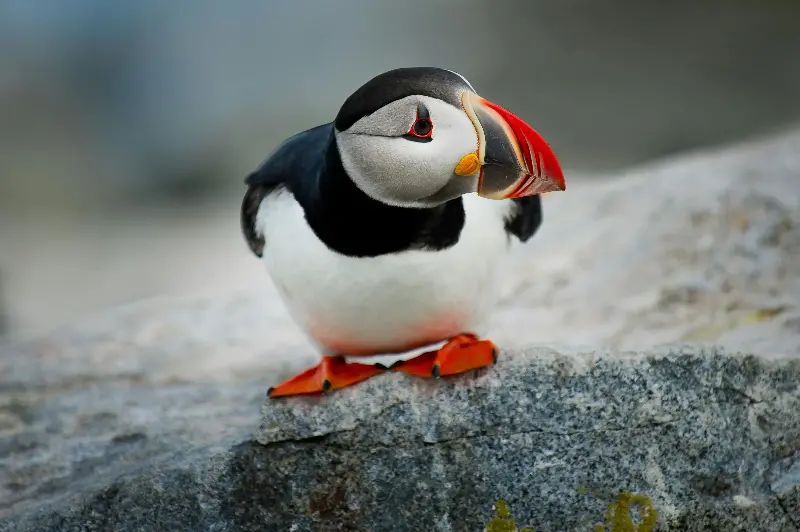
Puffins are instantly recognizable, thanks in large part to their vibrant beaks. Come breeding season, their bills transform into vivid shades of orange and red, decorated with unique grooves. The colors are so intense that one of the puffin’s nicknames is “sea parrot.” When breeding concludes, they shed these brightly colored bill plates, leaving behind a more subdued look as they return to life at sea.
But their eye-catching features don’t stop there. Puffins sport black backs and wings contrasted by bright white faces and bellies, making them stand out against rocky cliffs and deep ocean blues. And who could forget their orange, webbed feet, which give a new definition to the word “adorable”? These striking looks serve a purpose, too—providing signals for mate selection and helping parents recognize one another amid bustling breeding colonies.
Where the Puffin Calls Home
Puffins are found in the cool northern waters of the Atlantic Ocean. The three main species—the Atlantic puffin, horned puffin, and tufted puffin—occupy distinct ranges. The Atlantic puffin is perhaps the most famous and can be found from the coasts of eastern Canada and New England to western Europe’s rocky shores, including the British Isles, Iceland, and Norway. Tufted and horned puffins prefer the Pacific Ocean, stretching from California up through Alaska and across to parts of Russia and Japan.
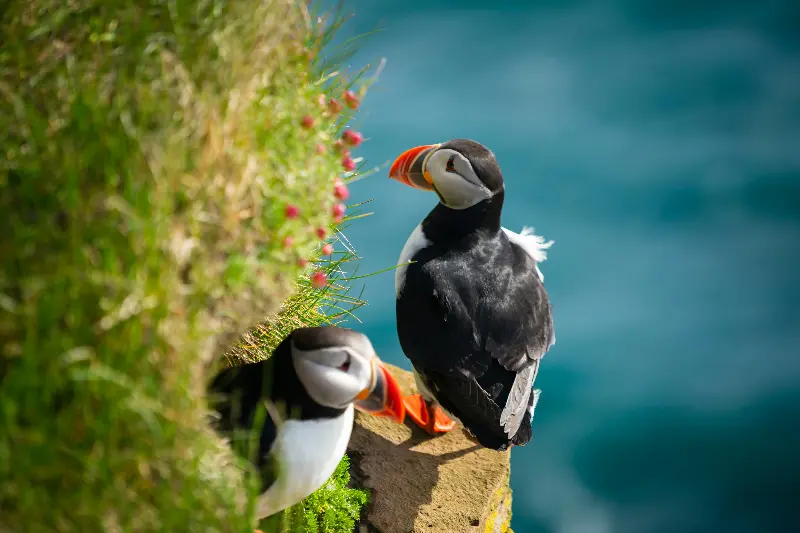
They nest in huge colonies on steep, grassy cliffs, digging burrows or finding rock crevices to protect their single precious egg from predators. Returning faithfully to the same nesting spot year after year, puffins often reunite with the same partner, strengthening their pair bond across many seasons.
Masters of Land, Sea, and Sky
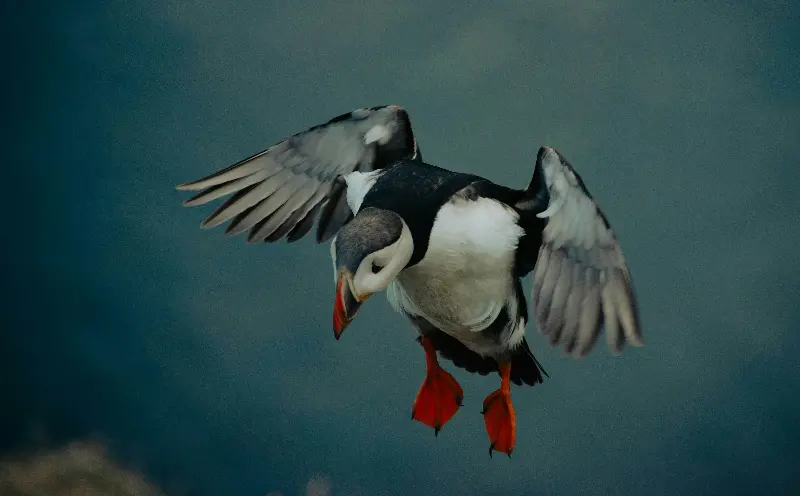
Despite their comical waddle on land, puffins are masterful fliers and swimmers. Their short, stubby wings beat rapidly—up to 400 times per minute—carrying them to speeds of up to 55 miles per hour in the air. Watching a puffin launch itself from a cliffside, there’s an undeniable sense of determination as their wings blur into motion, a feat that often draws amused smiles from human observers.
Underwater, their wings work just like flippers, propelling them gracefully as they hunt for fish. Puffins can dive to impressive depths of more than 60 meters, “flying” through the sea with surprising agility to catch sand eels, herring, and capelin—meals that are critical both for nourishing adults and for feeding their hungry chicks.
Their unique ability to hold several fish at once—lined up crosswise in their beaks like a neatly arranged silver bouquet—is thanks to specialized spines on their bills and tongues. This skill allows puffins to make fewer trips to feed their young and is one of the readily visible, fascinating quirks of puffin life.
Love and Loyalty on the Cliffs
Perhaps one of the most heartwarming aspects of puffin life is their devotion to their partners. Puffins often form long-term monogamous bonds, returning to the same mate every breeding season for years or even decades. They participate in ritualized bill-knocking, known as “billing,” a kind of avian affection that’s mesmerizing to watch.
Out of sight, their burrow nests are cozy retreats where parents take turns incubating their single egg. Chicks, known as “pufflings,” stay hidden from danger until they’re ready for their first journey to the sea—a midnight leap down the cliff that will usher in a new chapter of puffin life.

Legends, Threats, and Conservation
Puffins are woven into the folklore and culture of many coastal peoples, especially in Iceland, where they’re considered a national emblem and even appear in local cuisine and art. Yet despite their popularity, puffins face mounting challenges. Overfishing, climate change, and pollution have led to declines in some populations, especially along the North Atlantic.
Fortunately, increasing public interest in puffin conservation has sparked real change. From carefully managed breeding islands in the United Kingdom to strict protections and rehabilitation efforts in North America, people are rallying to ensure these birds will brighten our coasts for generations to come.
For those lucky enough to witness puffins in the wild—be it the bustling nesting cliffs of Iceland, the craggy shores of Scotland, or the serene islands off Newfoundland—the experience is unforgettable. These birds remind us of the beauty and diversity found within the world’s oceans and offer a cheerful symbol of hope for marine wildlife. By learning more about puffins and supporting conservation, everyone can play a part in keeping the colorful magic of these seabirds alive.