


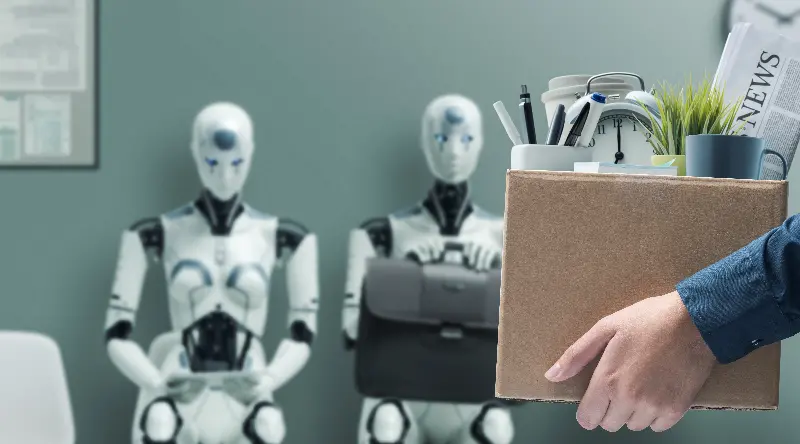
Just a decade ago, few would have predicted that roles like drone operator or sustainability strategist would fill job listings across the globe. While some careers familiar to our parents are quietly fading into nostalgia, a wave of exciting and sometimes unexpected professions is sweeping in to meet the challenges of a rapidly evolving world of work.
GOODBYE ROUTINE, HELLO ADAPTATION
As technology quickens its pace, certain skills are receding into the past. Roles that relied heavily on manual repetition or physical presence are being transformed or phased out by automation, smart devices, and user-friendly apps. These include:
- Typists and File Clerks: Replaced by cloud storage and voice-to-text AI.
- Meter Readers: Automated by smart home technology and remote sensors.
- Travel Agents: Transformed by direct-to-consumer booking platforms.
- Bank Tellers: Shifted toward digital banking and mobile applications.
Yet this shift is far from a bad omen; history proves that as old jobs disappear, new opportunities rise to take their place. A study by the World Economic Forum predicts that while 85 million jobs may be displaced by machines by 2025, even more—97 million—could be created in new, rapidly growing fields. The demand is no longer just for coders, but for people who can blend technical know-how with creativity, empathy, and flexibility.

WELCOME TO THE WORLD OF GREEN COLLAR AND DIGITAL AGE JOBS
Perhaps the most vibrant growth is happening in roles supporting sustainability and the digital economy. As societies tackle climate change, a new “green collar” workforce is rising. Professionals such as carbon footprint analysts and urban farmers are now essential to helping cities and companies become both sustainable and resilient.
Digital transformation, meanwhile, has unleashed a surge of possibilities:
- Virtual Event Planners: Orchestrating complex global gatherings in digital spaces.
- Remote Team Experience Managers: Ensuring far-flung staff stay connected, happy, and productive.
- AI Ethicists: A critical new role ensuring that algorithms remain fair, unbiased, and safe.
- Meme Marketers: Using viral culture to drive brand success in a crowded digital landscape.

TAPPING INTO THE HUMAN ELEMENT
One of the most interesting aspects of this career revolution is that, even as technology handles more routine work, uniquely human skills are rising in value. Emotional intelligence—a quality once thought less important than technical skills—is now the backbone of many emerging roles.
Jobs like virtual reality therapists blend psychology and technology to help people overcome fears or recover from trauma. Diversity and inclusion managers are reshaping company cultures to foster belonging, while digital wellness coaches guide individuals in building healthy relationships with screen time.
Even industries long seen as slow to change are adapting. Health care is seeing explosive demand for telehealth coordinators and genetic counselors. Education now offers roles such as e-learning designers who make remote learning engaging and accessible to diverse global audiences.

SURPRISING CAREER CROSSROADS AND HYBRID ROLES
The rise of the “hybrid professional”—people who blend expertise from multiple fields—is giving birth to careers that defy easy description. These professionals are the "dots" that link different industries:
- Digital Anthropologists: They study online cultures to help businesses understand how communities form on the web.
- Data Storytellers: Experts who turn complex, raw numbers into compelling, actionable narratives.
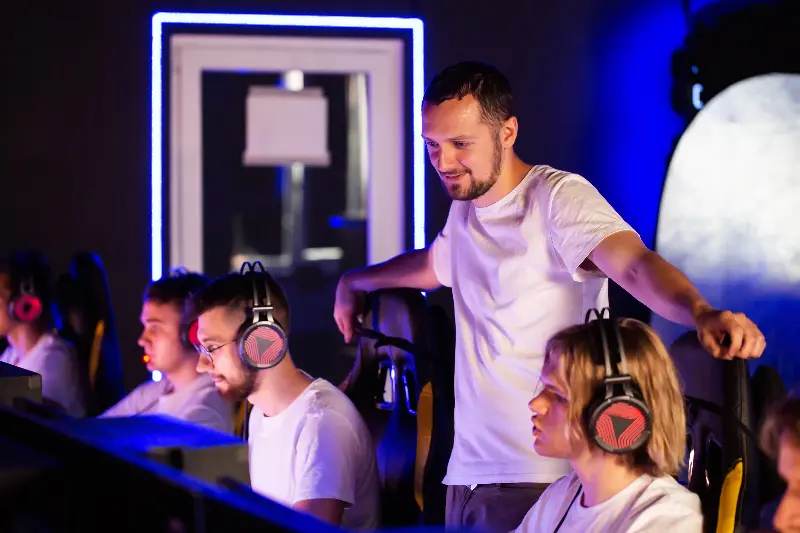
- E-sports Coaches: Combining traditional athletic training philosophies with high-level gaming expertise.
- Climate Change Lawyers: Professionals who must master the intersection of science, policy, and global ethics.
HOW TO PREPARE FOR THE FUTURE OF WORK
Adapting to this career revolution doesn’t require predicting the next “big job,” but rather building skills that can flex with the times. According to LinkedIn Learning, the most sought-after traits by today’s employers include adaptability, creativity, and digital literacy.
Lifelong learning has shifted from a buzzword to a survival strategy. Networking is also evolving; online platforms now connect professionals across the globe, making it perfectly normal for someone to be a blockchain consultant by day and a virtual fitness coach by night.
The landscape is wider and more inclusive than ever before. Remote work democratizes access, enabling people from various backgrounds to join the global workforce. As we witness this revolution, the future of work promises fresh adventures for those eager to learn and adapt. There has quite simply never been a more fascinating time to build a career.