


Few architectural landmarks possess the enduring romanticism and universal appeal of lighthouses. From jagged cliffs and remote islands to bustling harbors, these stoic towers have silently stood guard through tempests and tranquility alike. While technology has dramatically reshaped navigation, lighthouses remain treasured symbols—evocative, mysterious, and inspiring. Their stories stretch across continents and cultures, blending travel, history, architecture, and the timeless yearning of the human spirit.
Lighthouses Across Time: Guiding Ships and Saving Lives
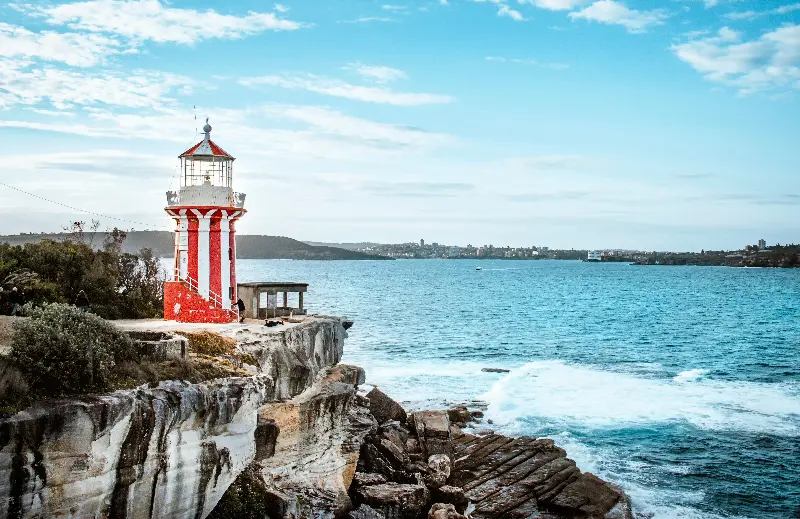
Long before radar and GPS, mariners relied on lighthouses as critical beacons of hope and guidance. Historians trace the origins of these sentinels back to ancient civilizations. The Pharos of Alexandria, completed in the 3rd century BCE and sometimes ranked among the Seven Wonders of the Ancient World, was a colossal structure guiding ships safely into Egypt’s busiest port. Ancient Greek and Roman engineers built beacon towers using wood fires or oil lamps set atop tall columns, their glow a promise of safe haven after perilous journeys.
With the expansion of sea trade during the Middle Ages and the Age of Discovery, lighthouses multiplied along rugged coastlines. Throughout Europe, Asia, the Americas, Africa, and Oceania, these guiding lights became crucial for mariners navigating uncharted waters or seeking sanctuary in stormy darkness. The architecture adapted to local climates and challenges: granite towers withstood Atlantic hurricanes, while whitewashed brick lighthouses dotted the Mediterranean.
Architectural Marvels and Cultural Icons
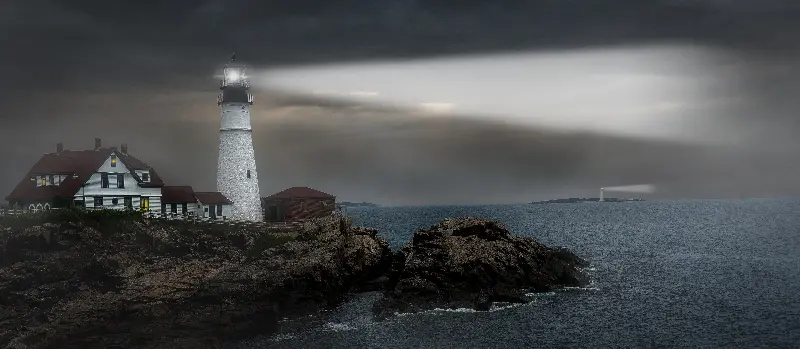
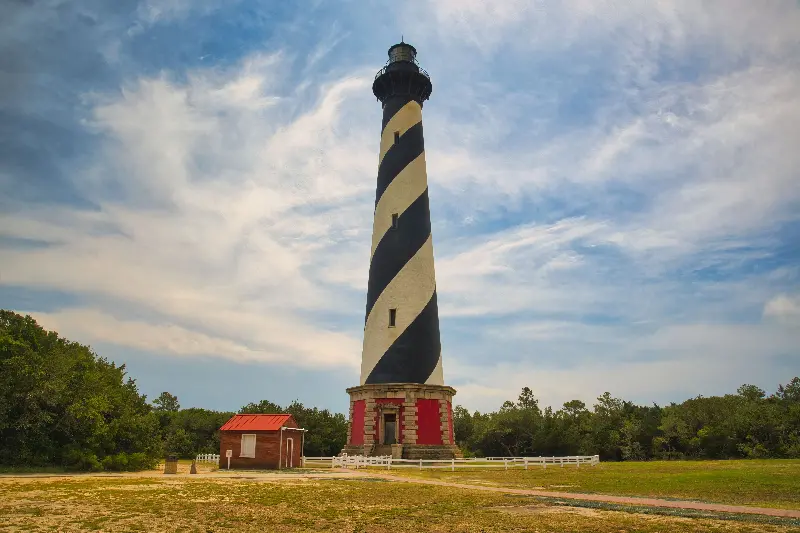
The distinctive silhouettes of lighthouses are more than just functional—many are architectural masterpieces reflecting their era’s innovation and artistry. The spiral stripes of Cape Hatteras Lighthouse in North Carolina and the bold red of Sweden’s Kullen Lighthouse are not just for beauty; colors and patterns help sailors identify which tower they behold, even when daylight obscures the light itself.
Some lighthouses are feats of impossible engineering. Bell Rock Lighthouse, built in Scotland in the early 1800s, sits on a partially submerged reef and was constructed using interlocking stone blocks—a marvel given the crashing North Sea waves. The Eilean Glas Lighthouse in the Outer Hebrides is another testament to early ingenuity.
Inside, the heart of a lighthouse is its lamp and lens. The Fresnel lens, invented by French physicist Augustin-Jean Fresnel in the 1820s, revolutionized lighthouse technology. Its concentric glass rings could magnify and project a light beam visible for many more miles, making navigation safer than ever before.
Inspiring Art, Literature, and Popular Imagination
Beyond their practical role, lighthouses have become powerful symbols in art, literature, and psychology. They often stand for guidance, solitude, or hope in an uncertain world. Writers like Virginia Woolf, whose novel “To the Lighthouse” explores the intersection of memory and meaning, and poets such as Edgar Allan Poe and Walt Whitman have used lighthouses as settings for moments of reflection and revelation.
In film, lighthouses spark intrigue and drama. From Alfred Hitchcock’s suspenseful shots to recent blockbusters, their isolated perches serve as backdrops for stories about resilience and mystery. Even contemporary music and advertising often reach for lighthouse imagery to evoke a sense of direction and stability.
Perhaps this resonance comes from their universal symbolism—a lone figure shining a path through darkness, quietly keeping watch when others may not know danger lurks.
Lighthouse Keepers: Unsung Heroes of the Coast
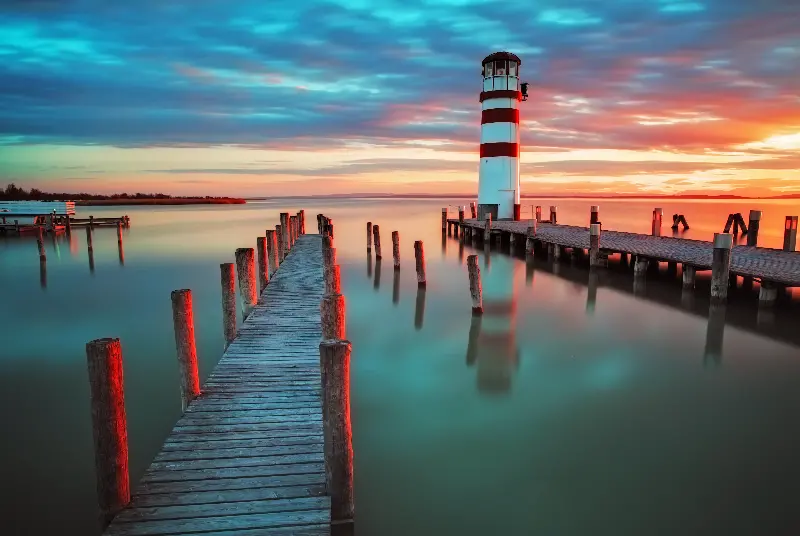
Living in a lighthouse was once among the loneliest and most demanding jobs imaginable. Lighthouse keepers faced isolation, violent storms, and exacting routines. They polished glass, trimmed wicks, wound clockwork mechanisms, and sounded foghorns, sometimes for decades without fail. For many keepers and their families, home was a narrow spiral staircase and the sound of ocean wind.
Their dedication saved countless lives. In some regions, women took up the keeper’s mantle—some celebrated for their courage, such as Grace Darling of England or Ida Lewis of Rhode Island. Their legacies endure in local lore, and often, their diaries and letters bring vanished worlds to life.
Lighthouses Today: Vacation Spots, Museums, and Symbols of Conservation
While fewer lighthouses are needed as navigation tools today, thousands remain standing, and their appeal is stronger than ever. Many are now preserved as museums, guesthouses, or even unique vacation rentals. Visiting a lighthouse means stepping into history and enjoying dramatic views, wildlife watching, and stories of daring rescues.
Countries like Canada, New Zealand, and Japan offer “lighthouse trails,” inviting enthusiasts to explore coastlines and national parks where these towers preside. Lighthouse festivals and community events draw visitors keen to learn about maritime traditions. In some cases, automated lights still shine, supported by dedicated preservation societies working to conserve both the towers and their environments. Restoring lighthouses often involves protecting surrounding habitats, preserving native seabirds, and caring for fragile ecosystems.
