


In the wake of relentless flooding that swept across Metro Manila and large swaths of Luzon, the mood among Filipino motorists shifted from anxiety to rare relief. The Land Transportation Office (LTO), acknowledging the extraordinary challenges faced by thousands, announced it is waiving traffic violation fines, late vehicle registration fees, and driver’s license renewal penalties for motorists in areas hardest hit by recent storms. For many, who just days ago navigated waterlogged highways in fear for their safety and financial stability, this move represents much-needed government empathy and support.
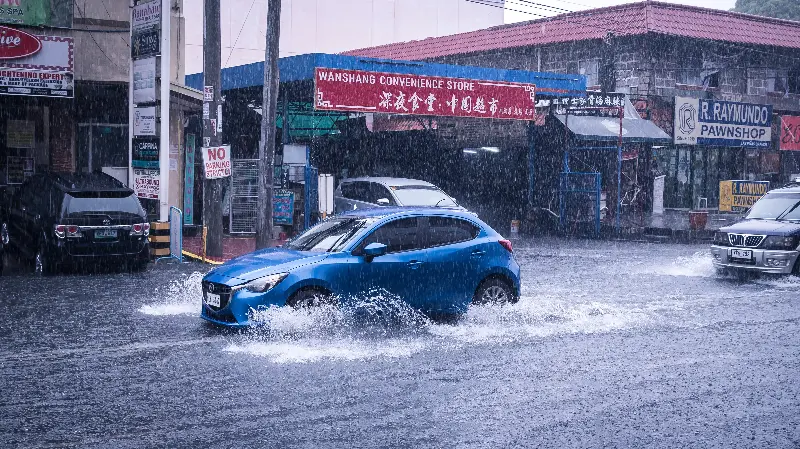
Waivers, Worries, and Widespread Weather Woes
The government’s decision follows weeks of severe weather, with successive tropical cyclones “Crising,” “Dante,” and “Emong” compounding the damage. Over 2.7 million people were affected, schools shuttered, and families displaced by persistent rains and flash floods. LTO chief Greg Pua’s memorandum confirms that motorists apprehended between July 21 and July 25, 2025, in declared calamity areas may settle their fines by August 8 without added penalty. Likewise, vehicle registrations and license renewals due in that window get a grace period until August 8, softening the blow for those unable to complete requirements due to disaster disruptions.
Key highlights:
-
No penalties for late vehicle registration, driver license renewal, or certain traffic violations in affected zones until August 8.
-
The waiver covers vehicles purchased between July 21–25 that weren’t registered on time due to the storms.
-
Over 23,000 people in Quezon City alone evacuated after flooding in mid-July, with similar crises across Manila and neighboring provinces.
-
The initiative is part of a broader national push—the Philippine Army and Red Cross have mobilized teams for rescue and relief, emphasizing life over technicalities.
On social media and in disaster shelters, emotion ran high. Some motorists described the move as “a bright spot in tough times,” while a Quezon City resident told reporters, “We lost so much this week—at least we’re not being penalized for what we couldn’t control.” Volunteer responders recounted scenes of both exhaustion and gratitude as government agencies and nonprofits worked side-by-side to keep communities safe.
After the Storm: Community and Compassion
As cleanup efforts continue, the LTO’s decision is seen as a powerful gesture—one balancing compassion with accountability. By pausing administrative fines and focusing on community needs, officials are recognizing the reality on the ground, where flooded homes, closed streets, and overwhelmed emergency shelters are daily struggles.
Takeaways:
-
Government waivers reduce stress for motorists and prioritize community recovery.
-
Relief measures are a response not only to infrastructure challenges but to the real fears and frustrations voiced by citizens and frontliners.
-
The story isn’t just about policy—it’s about people united by hardship and hope, navigating the aftermath together.
For motorists and families facing the long road to recovery, every bit of understanding counts. As one Army rescuer put it, “This isn’t just about vehicles and fines. It’s about getting lives back on track.”