


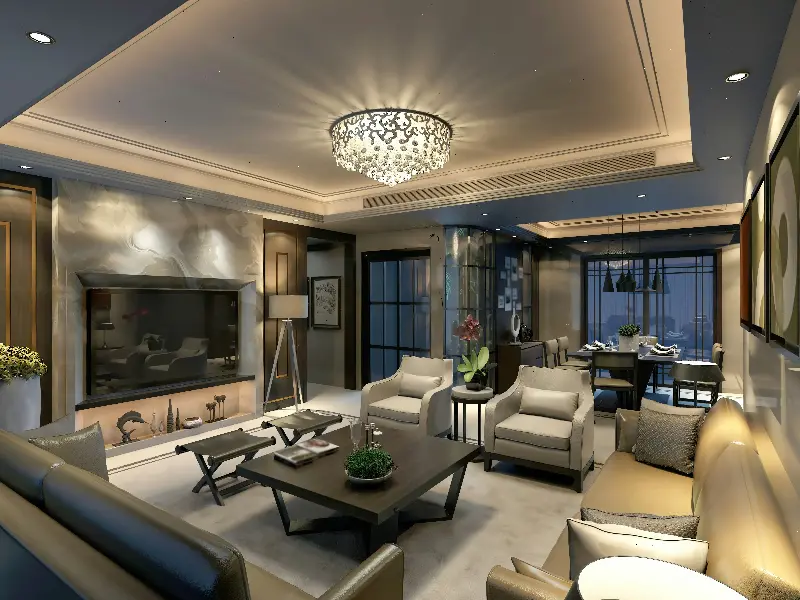
Trying to create the perfect mood in your living room can be a bit of an art. The secret weapon? Proper lighting. Whether you’re hosting cozy movie nights, reading your favorite book, or entertaining friends, the type of lighting you choose will not only affect the look but also the ambiance of your space. Among the most popular choices for living room illumination are chandeliers and recessed lighting. Each has its unique style, advantages, and quirks. Let’s shine a light on these two options so you can decide which is the right fit for your home.
The Magic of Chandeliers: More Than Just a Statement Piece
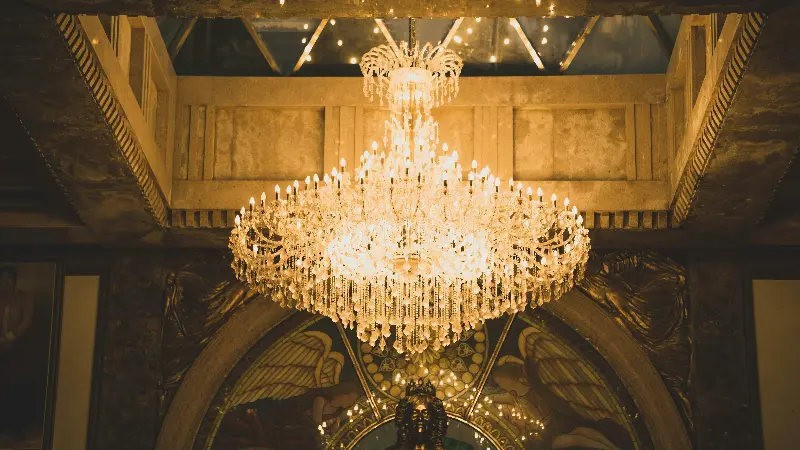
A chandelier isn’t just a source of light—it’s a centerpiece, a conversation starter, and in many cases, a symbol of your taste. Traditionally associated with grand entryways and formal dining rooms, chandeliers have evolved to fit more contemporary and casual spaces, including living rooms of all sizes.
The appeal of a chandelier lies in its wide variety of designs. From glittering crystal drops to sleek, modern metals, there’s something for every aesthetic. Not only do they catch the eye, but they also disperse light in engaging patterns and beautiful directions, creating a stunning visual texture.
What makes a chandelier particularly unique is its vertical effect—drawing the eyes upward and giving even a modest living room a sense of height and drama. For open floor plans or rooms with high ceilings, a chandelier can serve as an effective focal point, pulling the look together seamlessly.
On a practical note, chandeliers are also easier to replace as your tastes or trends change. Simply swap out the fixture to instantly refresh the room’s theme, all without major construction.
Recessed Lighting: Understated, Flexible, and Modern
While chandeliers take center stage, recessed lighting is the quiet achiever. These fixtures, often called “can lights” or “downlights,” are installed flush with the ceiling, providing a clean, streamlined look. Whether your living room style is minimalist, ultra-modern, or just needs an unobtrusive lighting solution, recessed lights might hit the right note.
One of the biggest strengths of recessed lighting is its flexibility. Unlike chandeliers that concentrate light in a single spot, recessed lights can be strategically placed throughout the room, ensuring an even distribution of illumination. This can be particularly useful in larger or uniquely shaped living rooms where one fixture just won’t do the trick.
Recessed lighting is also perfect for highlighting features—think artwork, shelving, or unique architectural details—thanks to directional trims and dimmable options. By layering these lights, you can create everything from practical brightness for cleaning or projects to a soft, cozy glow for movie night.
Another advantage is the sense of space. Because recessed lights are tucked away, they don’t interrupt sightlines or compete with other décor. This can make the room feel larger, airier, and more organized.

How to Choose: Style, Function, and Room Considerations
Before you can pick your perfect lighting solution, you’ll need to take a close look at your living room’s specifications and your lifestyle needs. Ceiling height is a major factor: chandeliers need enough clearance to avoid head bumps and to provide that dramatic effect. Generally, rooms with ceilings over eight feet are ideal for chandeliers, but with the right compact design, even lower ceilings can accommodate them.
Room size matters too. A large open-plan living room might benefit from a combination approach—using both a striking chandelier in the center and recessed lighting around the perimeter for flexibility. For smaller or cozier rooms, recessed lighting can help avoid overcrowding while still giving you plenty of light.
Don’t forget your existing décor. For spaces full of bold patterns or statement furniture, understated recessed lighting can complement without clashing. On the other hand, minimalist spaces can be transformed by a single show-stopping chandelier.
Functionality should guide your decision as much as style. If you read, craft, or work from your living room, task lighting from strategically placed recessed fixtures can prevent eye strain. If you’re entertaining often, the warm ambiance of a chandelier with dimmable bulbs can create a welcoming setting.

Trendy Tips: Mixing and Matching for a Perfect Glow
Who says you have to pick just one? Today’s living room lighting designs often feature layered lighting—a blend of chandeliers, recessed fixtures, wall sconces, and lamps. The goal is to create versatility, letting you adjust the mood with a flick of a switch.
If you love the classic look of a chandelier but need the practical touch of recessed lighting, try installing both. Put each on separate dimmers so you can tailor the light to your needs, from bright mornings to intimate evenings. Balance is key: make sure your fixtures work together in terms of color temperature and style.
For those wanting to add a dash of luxury without the commitment, small-scale chandeliers or pendant fixtures are great options, pairing beautifully with the subtle backdrop of recessed lights.
Lighting trends also celebrate innovation; smart bulbs, tunable colors, and voice controls can give even the simplest fixture a high-tech edge.
Bringing your vision to life is all about layering: ambient light (general overall room lighting), task lighting, and accent lighting. Chandeliers and recessed lights each serve a core role in this strategy, helping you achieve a living room that’s both stylish and supremely comfortable.
Finding the right lighting is a journey, not a race. By understanding the strengths and character of chandeliers and recessed lighting, you can create a living room that glows—literally and figuratively—with your style.