


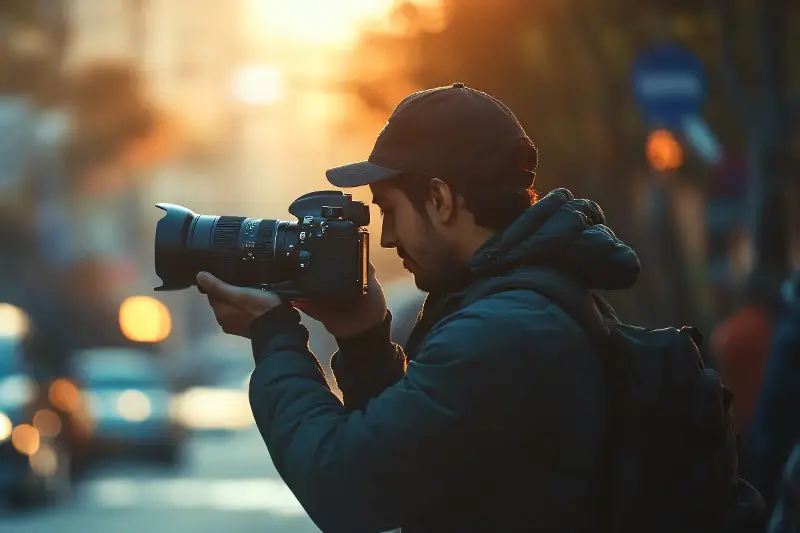
Street photography thrives on pure chance. A stranger’s glance through a bus window, a child chasing pigeons across a town square, or a sharply dressed commuter framed by warm afternoon light can become a memorable image in a fraction of a second. Yet the same spontaneity that makes the genre exciting also raises a fundamental question: when does observing public life become an intrusion into private life?
The answer is rarely simple. Laws differ significantly across countries, and ethical standards are deeply personal. Successful photographers learn to balance curiosity with genuine care, creating images that feel honest without treating people as scenery or subjects without dignity.
Public Spaces and Reasonable Expectations
In many regions, individuals have a reduced expectation of privacy when walking through a public place such as a street, park, market, or transit station. This typically means photographers can legally take pictures of people without prior permission, particularly when the resulting image is used for editorial, artistic, or personal projects.
However, public visibility does not make every photograph automatically acceptable. Key factors to weigh include:
- Emotional context: A person standing in public may be experiencing a deeply personal moment, such as receiving upsetting news or undergoing a health issue.
- Location standards: Privacy laws become strict in places where people reasonably expect seclusion, including restrooms, health treatment areas, schools, and private residences.
- International rules: France enforces strong personality rights that make publishing recognizable portraits challenging without consent, while Germany places high emphasis on individual image rights.
Photographing through a window into a private home is especially problematic, even if the photographer is standing on a public pavement. Photographers working internationally should never assume local regulations from home apply everywhere else.
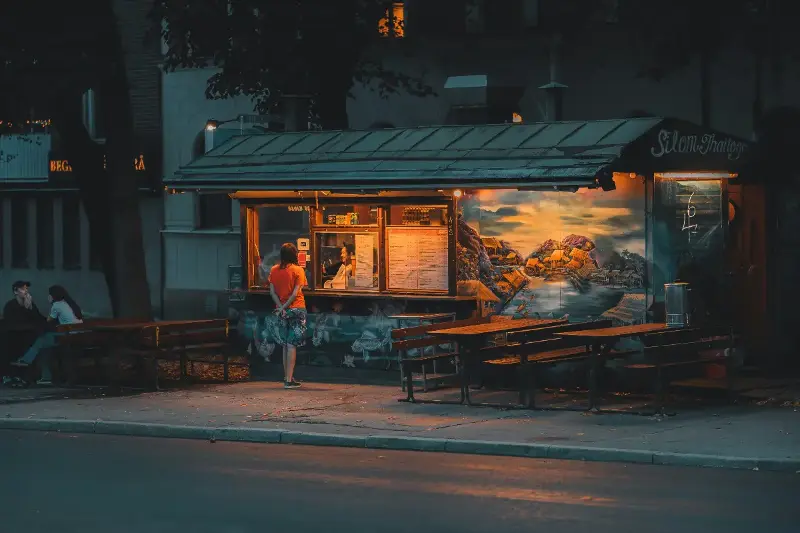
The Distinction Between Taking and Publishing
Capturing an image and sharing it with the public are treated as very different actions under the law. A photograph may be entirely legal to take, yet its publication can introduce complex legal or ethical complications.
Posting work to social media, entering a public competition, licensing photos to a brand, or selling physical prints all alter the context. Editorial use generally includes news reporting, documentary projects, and artistic commentary. In contrast, commercial use involves advertising or promoting a business. A local café might display a street photograph as wall art, while using that same image in a marketing campaign could require formal consent from recognizable individuals.
This distinction matters greatly for photographers building portfolios online. A candid portrait can travel far beyond its original setting once uploaded, as faces can be searched, copied, and placed in unexpected contexts. Before publishing, ask whether the image might unfairly define or embarrass the person pictured.
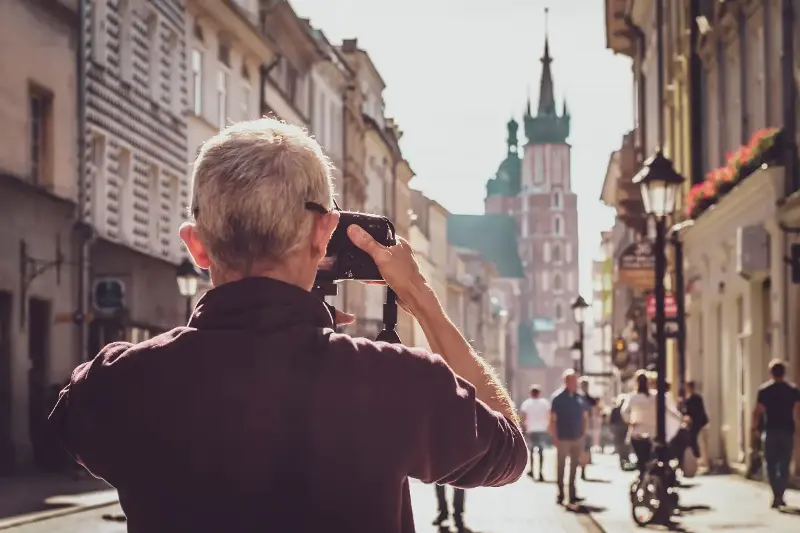
Consent as a Creative Tool
Asking for permission does not have to destroy natural spontaneity. In fact, seeking consent often leads to stronger, more meaningful work. A brief conversation can reveal a person’s personality and willingness to collaborate. Many celebrated street portraits were created after the photographer noticed someone, made eye contact, smiled, and asked.
Direct consent is particularly wise when photographing children, vulnerable individuals, or specific cultural groups. Parents or guardians should normally be approached before publishing identifiable photos of minors, even when taken in a public square.
Language barriers do not make respectful communication impossible. Simple gestures—such as pointing toward the camera, offering a warm smile, or showing the captured frame on a digital screen—go a long way. If someone signals discomfort or asks for a photo to be deleted, responding graciously is always the best path. A single missed frame is never worth an argument or a loss of trust.
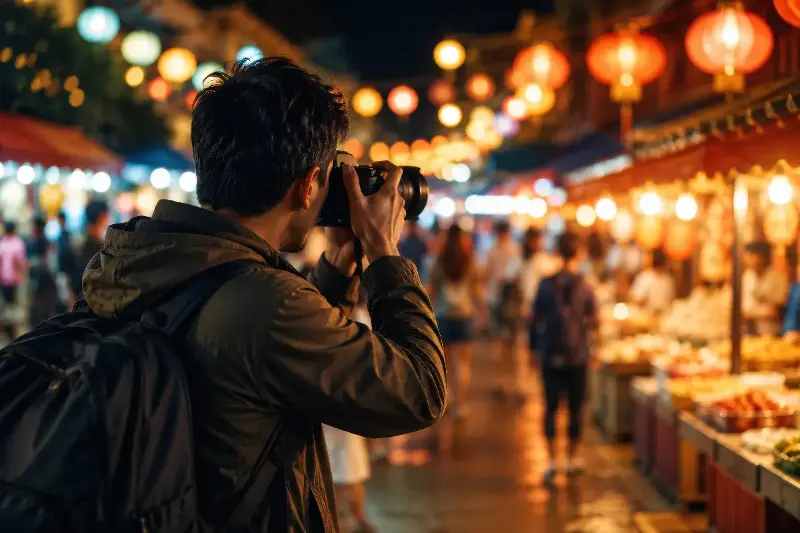
Power, Context, and Representation
Street photography is not merely about who is photographed; it is also about who holds the power to edit, caption, and publish the final piece. A photographer may leave a neighborhood after a brief session, while the people depicted live with the long-term consequences of public representation.
This dynamic becomes vital when images focus on sensitive social issues or cultural differences. Striking photographs can capture attention, but they can also reduce complex lives to a single difficult moment. A powerful image should invite viewers to look more closely and empathetically, rather than encouraging rapid judgment.
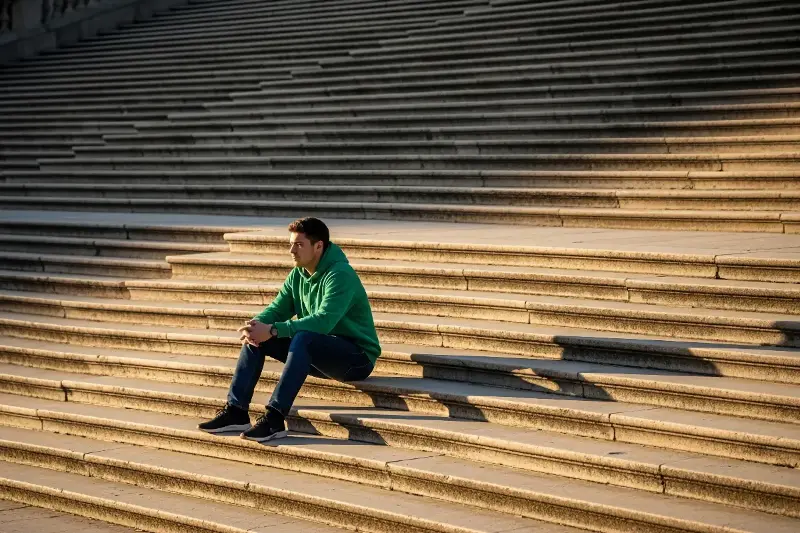
Captions and sequencing heavily shape overall meaning. A neutral photograph of an individual sitting alone can appear peaceful, lonely, or contemplative depending on the surrounding text. Responsible photographers avoid misleading descriptions and refrain from presenting isolated moments as proof of broad claims about an entire community.
Practical Habits for Respectful Work
Accomplished street photographers develop daily habits that protect both their craft and the people they photograph:
- Research local guidelines: Understand legal standards regarding public areas, transportation hubs, and public assemblies before traveling.
- Read body language: Turning away, covering the face, or appearing uneasy are clear signals to pause immediately.
- Apply the explanation test: Imagine explaining to the subject why the photo was taken and where it will appear. If the explanation feels uncomfortable, reconsider the photograph.
The best street photography does more than collect striking faces. It records the shared theater of everyday life with attentiveness, patience, and deep empathy. When photographers respect both legal boundaries and human dignity, they gain something far more valuable than an impressive image: the trust that gives the work lasting value.