


Few natural spectacles have captured the human imagination quite like the northern lights. Known scientifically as the aurora borealis, this mysterious light show has enchanted travelers, storytellers, and sky-gazers for thousands of years. Yet, beyond its obvious beauty, the northern lights are shrouded in fascinating science and mythology. Let’s journey into the heart of this enchanting phenomenon and discover remarkable secrets that will ignite your wanderlust.
Where The Magic Begins: Science Behind The Show
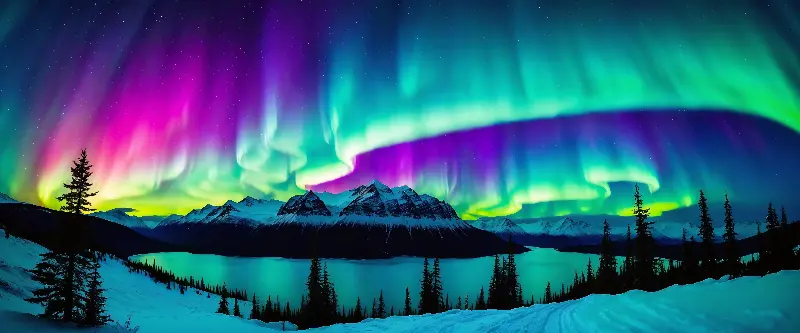
The northern lights are not just lights in the sky—they’re a dazzling result of the sun’s interaction with our planet. High above the earth's surface, charged particles from the sun (mainly electrons and protons) collide with gases in our atmosphere, such as oxygen and nitrogen. These collisions emit photons—tiny bundles of light—that paint the sky in gradients of green, pink, purple, and even red.
Different gases create different colors. Oxygen produces vivid greens and, at higher altitudes, rare reds; nitrogen is responsible for blue or purplish hues. What’s truly magical is that these displays don’t happen randomly. They're more frequent during solar maximum, a peak in the sun's activity that happens approximately every 11 years.
People often assume the aurora can be seen only in the heart of winter. In reality, auroras happen throughout the year, but they're easiest to spot on dark, clear nights—so summer’s long daylight in the far north makes them all but invisible.
The Best Seats In The Arctic House
When you picture the northern lights, you probably imagine chilly, remote landscapes. Popular viewing destinations include Norway’s Tromsø, Sweden’s Abisko, Finland’s Lapland, and Iceland’s windswept hinterlands. Yet, did you know that you can also see auroras as far south as Scotland or parts of Canada’s mid-latitudes during strong solar storms?
One of the most surprising aurora hotspots is the town of Yellowknife in Canada’s Northwest Territories. Because of its clear skies and prime location in the “auroral oval”—a ring-shaped zone around Earth’s geomagnetic pole—Yellowknife boasts one of the world’s highest probabilities for northern light sightings.
Icelanders have their own tips: seek out rural fields, glacial lagoons, or volcanic black sand beaches far from city lights. And travelers to Alaska’s Fairbanks enjoy one of the longest aurora seasons in the world, spanning from late August to April.
Cultural Legends And Mysteries
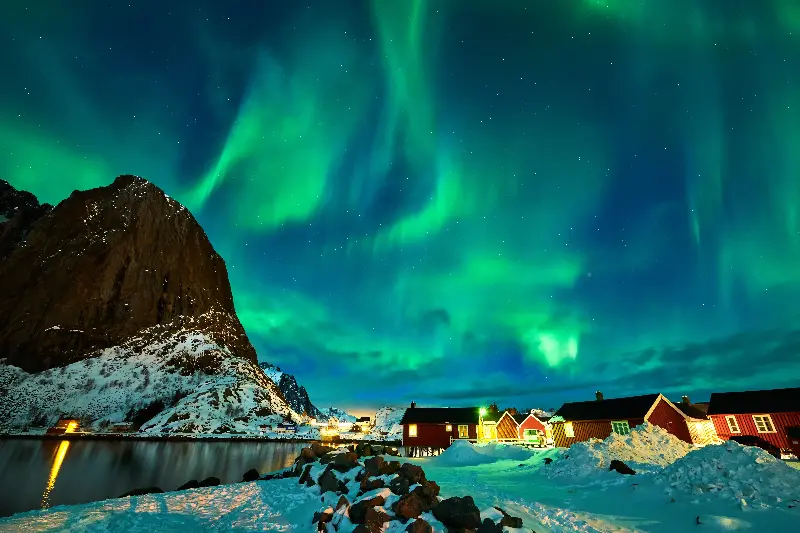
Long before the aurora was explained by science, ancient peoples wove inspiring stories to make sense of its beauty. The Sámi people of Scandinavia believed the lights were the souls of the departed, rising to the heavens. In Greenland, some thought the lights were spirits playing soccer with the skull of a walrus.
Vikings saw the northern lights as reflections off the shields of the Valkyries, supernatural women guiding fallen warriors to the afterlife. North American Inuit populations believed clapping could summon or intensify the aurora, while certain groups in Canada once feared whistling at the lights could bring bad luck.
The aurora has even influenced art. The composer Jean Sibelius captured its icy clarity in his music, and contemporary artists regularly seek inspiration from its shifting forms.
Capturing The Lights: Tips For Aurora Travelers
While luck is a big factor in seeing the northern lights, a bit of planning can stack the odds in your favor. Lowest light pollution is essential: avoid big cities and look for destinations rated by the International Dark-Sky Association. Cloud cover can ruin even the best-laid plans, so check local forecasts and plan to spend several nights in aurora-friendly locations.
Stay up late—the best displays typically happen between 10 pm and 2 am. Wear multiple layers, as northern latitudes are chilly, especially at night. For budding photographers, a tripod and a camera with manual controls will help you capture the sweeping lights in all their glory. And if you’re traveling during a solar storm or a geomagnetic “substorm,” get ready for an unforgettable show.
Even if you never see the aurora, the experience of watching in silence under a vast northern sky—breath misting, snow crunching underfoot, the world calm and expectant—is exhilarating enough to leave anyone awestruck.
Surprising Aurora Facts To Fuel Your Curiosity
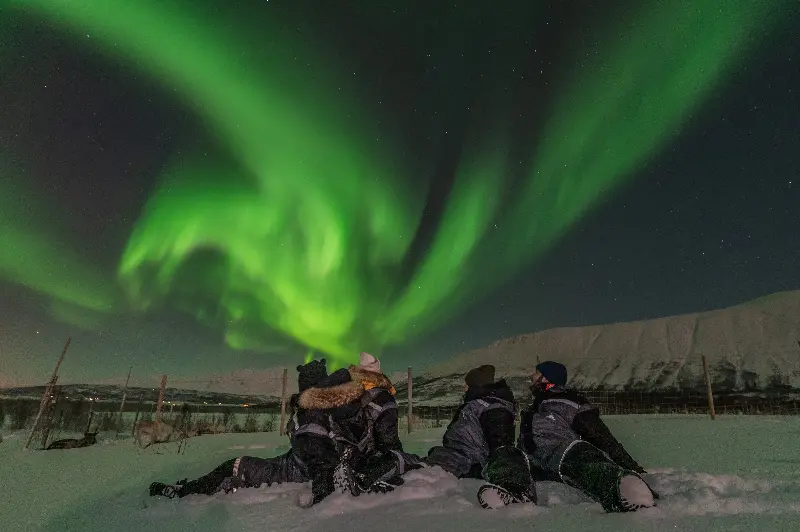
While we call them the northern lights, their southern counterpart, the aurora australis, appears in the Southern Hemisphere. Rarely, during intense solar events, auroras can be seen far further from the poles—residents of Central Europe, the United States, and even China have recorded sightings.
Did you know the aurora creates sounds? Reports from observers describe faint crackling, hissing, or popping welling up in the silence—a phenomenon only partially explained by scientists. Some suspect these sounds may arise from electrostatic discharges close to the ground.
The colors of the aurora aren’t just beautiful—they can reveal secrets about our atmosphere. Auroral green is most common and appears about 100 km above Earth. Scarce red auroras can shimmer at 300 km altitude, a realm few natural phenomena ever reach.
An Adventure Awaits: Your Own Aurora Story
Chasing the northern lights is more than a quest to witness nature’s most electric artwork. It’s an invitation to adventure: to immerse yourself in wild landscapes, to learn about the science that binds our planet to the sun, and to touch a living history stretching back through centuries of human wonder.
So whether you’re drawn by legends, science, or pure wanderlust, the northern lights are waiting. With a bit of planning, a sense of adventure, and perhaps some luck, you’ll discover for yourself why this extraordinary display is one of the world’s most unforgettable travel experiences.