


As the days grow shorter and a nip settles in the air, many people instinctively reach for warm drinks to chase away the winter chill. But what if your daily cup did more than just comfort? Around the world, herbal teas have long been trusted as natural allies for cold weather, promoting not only cozy warmth but also healthy blood circulation. Rediscovering these time-honored brews could be your key to staying vibrant all winter long. Let’s dive into the fascinating world of three traditional herbal teas that promise to revitalize your body and spirit while keeping you toasty through the coldest months.
Ginger Tea: The Fiery Root For Inner Warmth
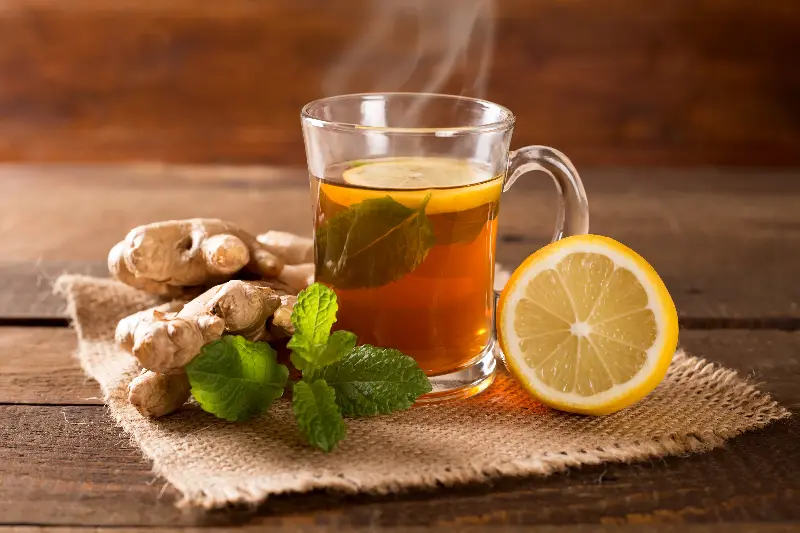
Ginger has been celebrated in traditional medicine for centuries, especially across Asia and parts of Africa. Its unmistakable spicy aroma and invigorating taste are more than just culinary delights—ginger is renowned for its power to kindle your internal fire.
What gives ginger its warming effect? The root contains compounds called gingerols and shogaols, which stimulate circulation by dilating blood vessels. This allows blood to flow more freely throughout your body, effectively transporting heat and keeping your extremities snug, even when temperatures plunge. For anyone prone to cold hands and feet, a steaming cup of ginger tea can feel like a gentle internal heater.
But the benefits extend beyond warmth. Ginger’s anti-inflammatory and antioxidant properties help support the immune system, which is critical during winter’s cold and flu season. Some studies even suggest that regularly drinking ginger tea may reduce muscle pain and support heart health. To brew, simply simmer a few slices of fresh ginger in hot water for ten minutes. Add lemon and a drizzle of honey for a comforting, revitalizing drink that eases digestion and wards off winter woes.
Hawthorn Berry Tea: Nature’s Embrace For A Happy Heart
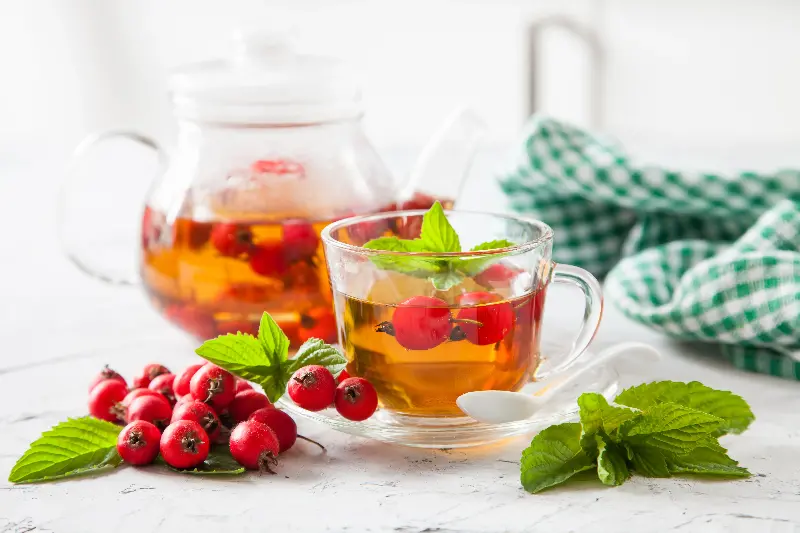
Another lesser-known winter hero is hawthorn berry tea, a ruby-hued infusion beloved in traditional Chinese and European herbal medicine. Sometimes called the “heart’s herb,” hawthorn is especially prized for its affinity with cardiovascular health and improving blood flow.
Hawthorn berries are packed with antioxidants like flavonoids and oligomeric proanthocyanidins, which are known to help strengthen blood vessels and improve the elasticity of arteries. This means your circulatory system can do a better job carrying oxygen and nutrients to every part of your body—boosting both energy and warmth.
But there’s more. Hawthorn has also been used to calm the nervous system, making it an excellent choice for those who find winter a stressful season. Its gentle, fruity flavor combines tart and sweet notes, making it both soothing and uplifting. To prepare hawthorn tea, steep one to two teaspoons of dried berries per cup of hot water for about twenty minutes. For extra comfort and complexity, add a sprinkle of cinnamon or a few dried rose hips. While generally safe, hawthorn may interact with certain heart medications, so always check with a healthcare professional if you have underlying conditions.
Cinnamon Tea: Ancient Spice With A Toasty Touch
No discussion of winter warmers would be complete without cinnamon, the aromatic spice derived from the inner bark of Cinnamomum trees. With roots in ancient Ayurvedic and Middle Eastern medicine, cinnamon tea is hailed as much for its healing properties as for its festive fragrance.
Cinnamon contains cinnamaldehyde and other compounds that help stimulate circulation and gently raise the body’s core temperature. This is why many cultures add cinnamon not only to sweet treats but also to warming stews, curries, and yes, winter teas. The improved blood flow can help stave off the lethargy and aches that sometimes accompany colder weather.
Research also shows cinnamon may help balance blood sugar levels, support digestive health, and promote a feeling of fullness after meals—handy when holiday feasts abound. To make cinnamon tea, simmer whole sticks or use ground spice in hot water, perhaps blending with black tea or apple slices for an aromatic, spicy tonic. The delightful scent alone is enough to lift your spirits on a dreary winter day.

Blending Herbal Wisdom With Modern Living
What makes these herbal teas so remarkable isn’t just their individual benefits, but how they can be enjoyed together or tailored to suit your mood. Picture starting the day with the zing of ginger, relaxing mid-afternoon with hawthorn's rosy warmth, and winding down with a soothing mug of cinnamon in the evening.
Beyond the physical, the ritual of preparing herbal tea adds a mindful pause to busy winter days. As you steep, the rich scents and vibrant colors engage the senses, inviting you to slow down and savor the moment—a gentle reminder that self-care is just as important as staying active during the cold months.
For those looking to embrace these age-old remedies, quality matters. Opt for organic, ethically sourced herbs whenever possible, as these tend to be richer in both flavor and beneficial compounds. And while these teas are generally safe for most, remember that herbal remedies can interact with some medications, so it’s wise to consult a healthcare provider if you have health concerns or are pregnant.
The next time the cold creeps in, consider reaching for a mug of ginger, hawthorn, or cinnamon tea. Not only will you be sipping on centuries of wellness wisdom, but you’ll also be fueling your body and spirit with the simple, sustainable warmth of nature—one fragrant cup at a time.