


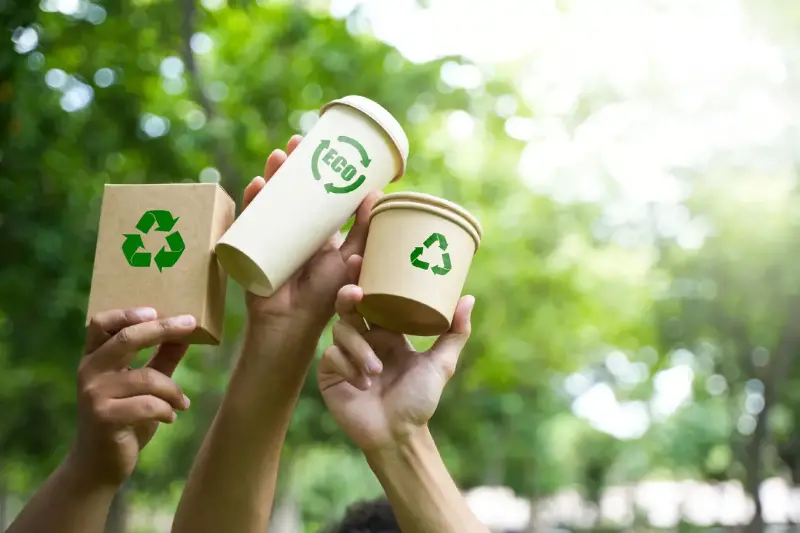
For decades, the food industry has faced mounting scrutiny over the waste it generates—from plastic packaging littering landfills to farming methods that strain scarce resources. In 2025, the twin revolutions of sustainable packaging and farming are transforming how we grow, package, and consume our food. These groundbreaking shifts are not only reducing our ecological footprint but also opening opportunities for innovation, flavor, and better health in every bite.
The Emergence Of Eco-Friendly Packaging
At the supermarket, the telltale crackle of plastic wrap may soon become a sound of the past. Instead, shoppers are increasingly discovering foods wrapped in alternatives made from seaweed, edible rice films, or compostable plant fibers. Major brands and small producers alike are testing out these materials to lessen the environmental toll of single-use plastics, which, according to the United Nations, make up almost 40% of plastic waste globally.
One exciting innovation for 2025 is packaging that you can actually eat. Edible coatings for produce not only help keep an apple shiny and crisp for weeks but also reduce food waste by extending shelf life. A quick rinse before eating and the coating disappears—just one example of how companies are blending food technology with environmental stewardship.
For packaging that still requires traditional functionality—like containing liquids—bioplastics are taking center stage. Derived from corn, sugarcane, or even algae, bioplastics break down much faster than their petroleum-based relatives. In commercial composting facilities, some can biodegrade in as little as two months.
Circular solutions are also on the rise. In 2025, it’s not uncommon to return your used food containers to a reverse vending machine at the grocery store, earning discounts or loyalty points. Brands are partnering with delivery services to collect and sanitize reusable containers, reducing single-use waste and closing the packaging loop.
Farm To Fork: Tech-Driven Sustainable Farming
The march toward sustainability starts long before food reaches the marketplace. Farms in 2025 are high-tech hubs, using drones, sensors, and smart irrigation systems to conserve water, fertilize precisely, and track plant health in real-time. These tools have slashed resource use by up to 40% while boosting crop yields—a welcome trend as the world population grows.
Many farmers are embracing regenerative agriculture. By rotating crops, planting cover crops, and minimizing pesticides, they’re coaxing carbon back into the soil rather than sending it into the atmosphere. Studies show that adopting regenerative practices can double the amount of carbon sequestered, improve biodiversity, and create richer, more resilient farmland.
Urban farming is shifting from novelty to norm, especially where space is at a premium. Vertical farms now reach skyward in city centers, producing leafy greens using 95% less water and no pesticides. Thanks to LED lighting optimized for plant growth, these farms operate year-round, supplying local stores with hyper-fresh produce that skips international shipping altogether.
Reducing Food Waste Through Innovation
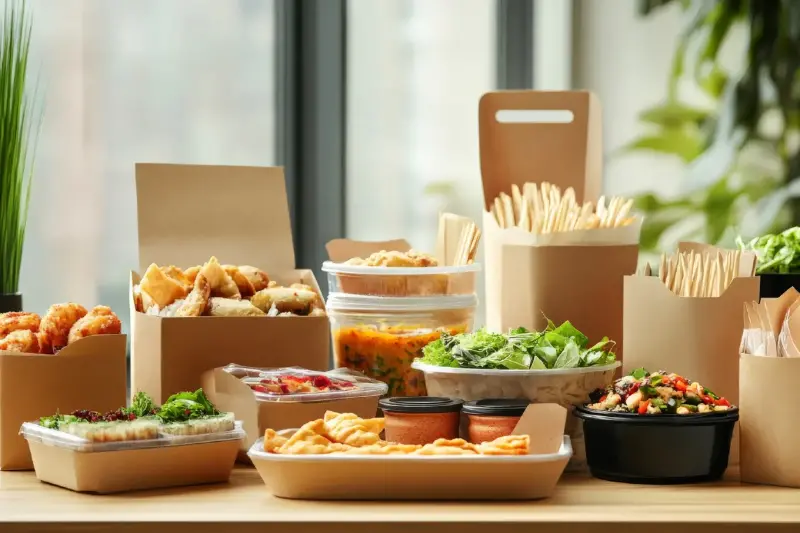
Packaging and farming are also tackling food waste—a problem that represents both an environmental challenge and a lost opportunity to feed people. In 2025, you’ll find “best before” labels replaced with smart tags that use biosensors to actually detect when food is turning, taking the guesswork out of food safety and reducing unnecessary dumping of good food.
Food manufacturers are finding value in what used to be waste. Spent grain from breweries is being transformed into high-fiber snacks, misshapen fruits are starring in cold-pressed juices and preserves, and even potato peels are earning a second life as packaging material. These creative solutions mean less waste, more jobs, and new flavors to sample.
Consumers At The Heart Of The Movement
Perhaps the most profound change in 2025 is the role of consumers. Shoppers are increasingly attuned to the provenance and packaging of their purchases, rewarding companies that prioritize sustainability. Online apps let you scan product barcodes to trace ingredients back to responsible farms and see the environmental rating of each item. As a result, many brands are stepping up their transparency and competing to offer the greenest options on the shelf.
Community-supported agriculture (CSA) programs have become a staple, connecting city dwellers directly to local farms and delivering seasonal produce with minimal packaging. Subscription services often use returnable totes or recyclable wraps, reinforcing the culture of sustainability from farm to table.
What’s Next For Sustainable Food?
With climate regulations tightening and consumer demand for eco-friendly choices surging, the momentum behind sustainable packaging and farming shows no sign of slowing. Scientists are hard at work developing mycelium-based foams for cushioning fragile fruits and blockchain systems that guarantee supply chain traceability from seed to plate.
Food in 2025 is far more than nourishment—it’s an experience shaped by innovation, care for the planet, and a desire to leave a lighter footprint with every meal. Every step, from the dirt in the field to the wrapper in your hand, reflects a global movement toward smarter, cleaner, and more delicious ways to bring food to our tables. As this revolution unfolds, it’s clear that the future of food is not only sustainable but filled with possibility.