


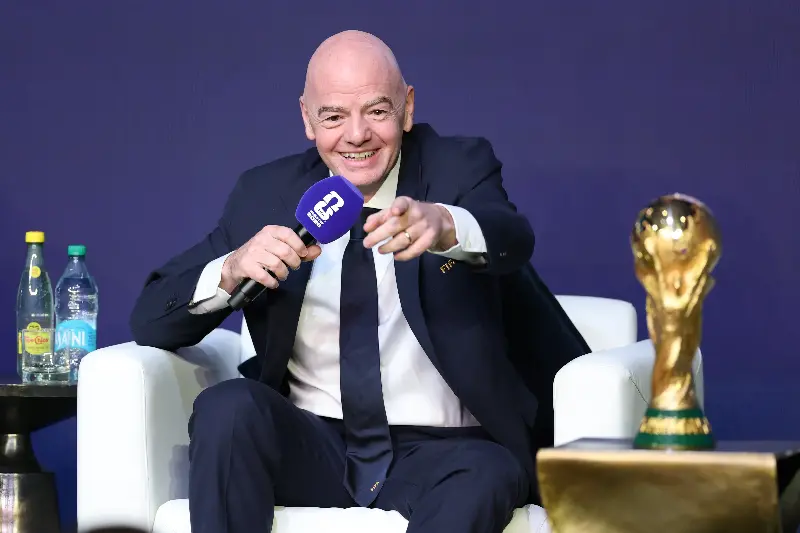
The countdown to the FIFA World Cup 2026 has brought with it a significant, albeit familiar, shift in the structure of the beautiful game. In a landmark decision aimed at prioritizing player welfare and ensuring competitive parity, FIFA has confirmed that every match in the upcoming tournament will feature a fixed, three-minute "hydration break" between each half, fundamentally dividing the contest into four distinct phases.
A Fixed Rule for Player Welfare
While the concept of mid-half breaks, often referred to as "cooling breaks," is not entirely new to football, the universal and mandatory application of this rule is unprecedented for the World Cup. Traditionally, 90-second to three-minute breaks were only employed based on the referee's assessment of extreme weather conditions, particularly high heat and humidity.
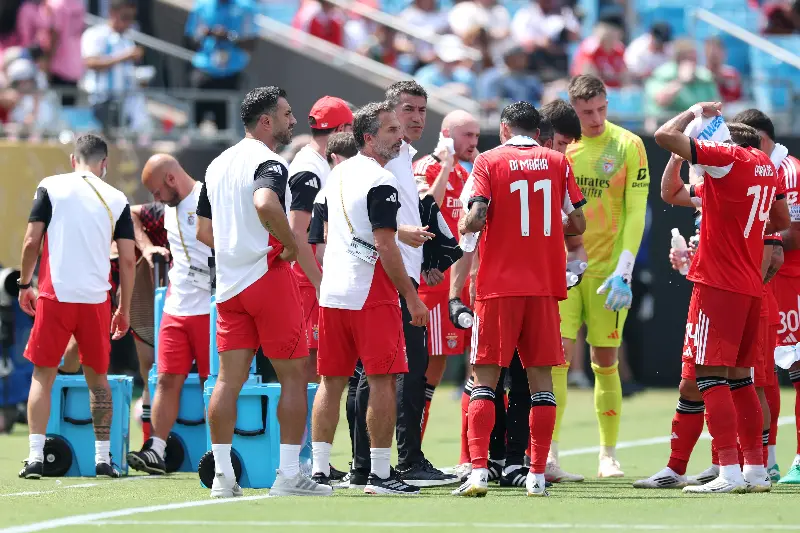
However, the 2026 tournament eliminates this subjectivity. As confirmed by Manolo Zubiria, CEO of the 2026 World Cup, in a FIFA statement: "In any match, regardless of where it is played, whether it is under cover, hot or cold, there will be a three-minute water break. This will last exactly three minutes, from whistle to whistle, in both halves." This ensures that players receive essential respite, regardless of the host city’s climate, an important consideration given the vast geographical scope of the tournament across the United States, Canada, and Mexico.
The rationale behind the rule is clear: FIFA maintains that this move is primarily about player health. “FIFA always puts the welfare of players first,” the world football governing body insists, emphasizing that the uniform breaks are intended to "ensure fair playing conditions for all teams".
The American Football Parallel
The introduction of four definitive periods gives the 2026 World Cup matches a structure closely resembling games in American and Canadian sports leagues, such as the NFL and NBA. FIFA President Gianni Infantino has repeatedly touted the upcoming tournament as being “104 Super Bowls,” and while this is an ambitious comparison in terms of viewership, the structural similarity to American football’s four-quarter format is now undeniable.
Despite the structural resemblance, FIFA has been quick to push back against the notion that this is an attempt to “Americanize football.” However, the fixed nature of the breaks—occurring reliably at the approximately 22nd minute of each half—will certainly alter the rhythm that fans and players have grown accustomed to over the sport's history.
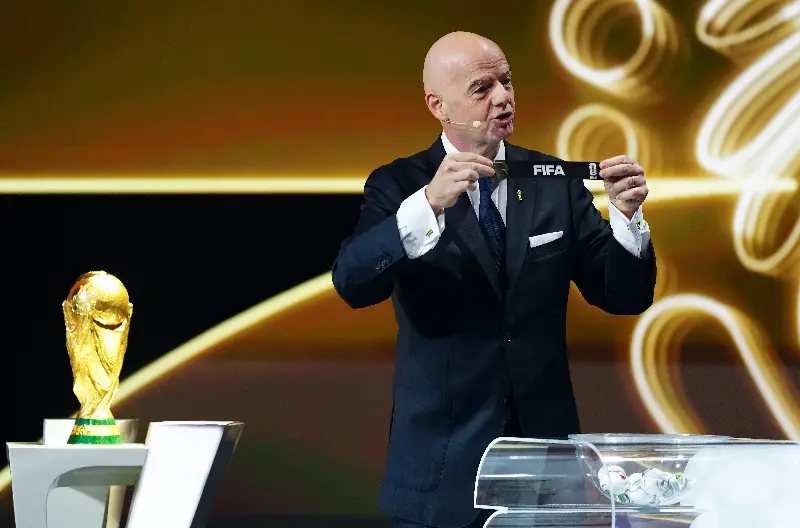
Tactical and Commercial Implications
While player welfare is the stated priority, the tactical and commercial consequences of this new structure are set to be substantial.
From a commercial standpoint, the breaks offer an invaluable, predictable opportunity for broadcasters. Unlike the fluid and continuous nature of traditional football halves, these fixed three-minute intervals provide guaranteed time slots for inserting high-value commercials, significantly boosting the revenue potential of the tournament—a crucial factor in Infantino’s "Super Bowl" vision.
Tactically, coaches will find themselves with an unprecedented opportunity for in-game intervention. The number of guaranteed “in-game team meetings” will effectively triple. Instead of relying solely on half-time, agile coaching staffs will now have two additional, predictable opportunities to communicate tactical shifts, player substitutions, and motivational cues. The time between receiving instructions is shortened by half, meaning coaches can respond to the opponent's strategy much quicker, potentially leading to more dynamic and reactive gameplay throughout the 90 minutes.
Maintaining Game Flow
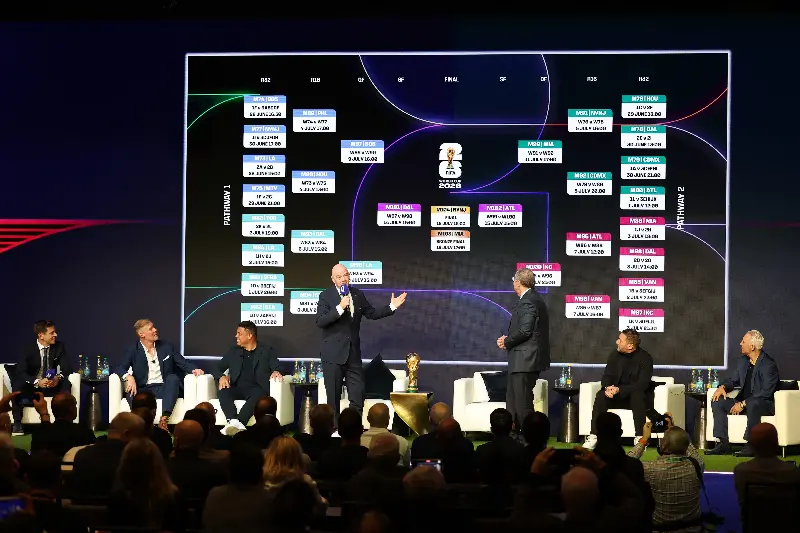
It is important to note how this new rule handles game interruptions. If an injury or other stoppage occurs close to the scheduled break time, the referee retains discretion. Manolo Zubiria clarified: "Of course, if an injury occurs at the 20th or 21st minute and the match is interrupted, the decision will be made by the referee." This flexibility ensures that the existing rules regarding injury time and match control remain in place, preventing the fixed break from compromising the integrity of game flow during critical moments.
Ultimately, the 2026 World Cup's adoption of fixed hydration breaks marks a historic structural change. While anchored in the necessary concern for athlete health, its dual effect on commercial broadcasting and in-game tactics will make the tournament a fascinating case study in the evolution of the world's most popular sport.