


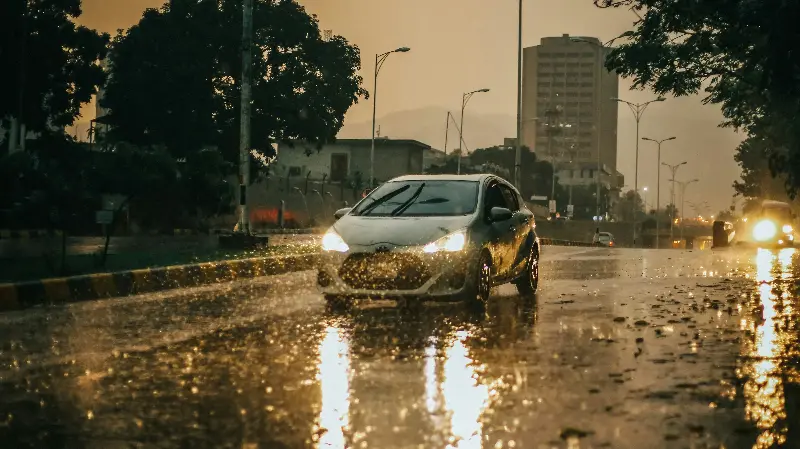
Few driving situations test our nerves—and our skills—like heavy rain. The rumble of thunder, the cascade of water on the windshield, and the challenge of seeing the road ahead all combine to make wet-weather driving a real test for even the most experienced drivers. Yet, mastering a few simple habits can mean the difference between a safe arrival and a harrowing story. Here are five life-saving tips every motorist should keep in mind when the skies open up.
Visibility Is More Than Wipers
Ask anyone what they do when it starts to pour and most will mention flipping their windshield wipers to maximum speed. But full visibility in a rainstorm is about more than wipers. Wiper blades, after all, have a lifespan—experts recommend changing them once or twice a year, depending on use. If your blades streak, squeak, or leave patches, it’s time for a swap.
It also pays to keep all your windows clear. Fogging is common when outside humidity soars and interior air cools. Use your vehicle’s defroster or air conditioner to clear up glass, and crack a window if you need extra airflow. Keep a microfiber cloth handy to remove persistent condensation. Don’t forget your mirrors, either—they can fog up, too.
Another overlooked element is your windshield washer fluid. In heavy rain, the cars ahead often sling up oil and mud. Make sure your washer fluid reservoir is full and use a fluid rated for bug and grime removal. Clear vision really does start beyond the wipers.

Lights On—The Right Way
When rain pours, so does the gloom. Yet, many drivers forget to switch on their headlights—sometimes relying solely on daytime running lights, which do not turn on tail lamps. In many places, the law requires both front and rear lights whenever wipers are in use.
Turning your headlights on during rain increases your visibility to other drivers. It doesn’t make it easier for you to see, but helps everyone else spot you more quickly through the spray. High beams, however, are a definite no. Even in heavy rain, high beams will bounce off water droplets and worsen glare. Stick to regular or fog lights if you have them.
Remember, being seen can be as important as seeing others. Make lighting a habit, not an afterthought.

Respect The Wet—Slow Down And Increase Space
Water on the road is not just inconvenient—it fundamentally changes how your tires grip the asphalt. The grooves in your tires are engineered to channel away water, but at higher speeds, the volume can overwhelm them. That’s when hydroplaning—the terrifying moment when your tires ride on top of water—occurs.
The key to staying in control is simple: reduce your speed. Even five to ten miles per hour below the posted limit can make a tangible difference in stopping distance. And remember, the first ten minutes of rain are often the most hazardous as oils rise from the road surface. Give your brakes, tires, and reflexes more time to work.
Equally critical is space. Tailgating in wet conditions is an invitation for rear-end collisions. Triple your normal following distance whenever possible. This extra space allows you to react calmly instead of trying to halt suddenly on a slick surface.
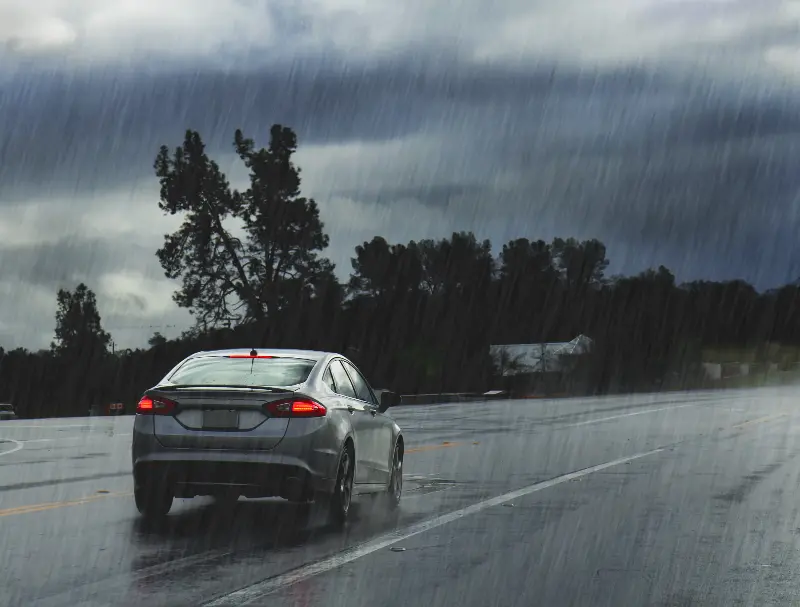
Tires And Traction—Your First Line Of Defence
Your vehicle’s grip on the road starts at the tires. Check your tires often for adequate tread depth—a simple way is by inserting a quarter into the tire groove, with Washington’s head upside down. If you can see the top of his head, it’s time for new rubber. Properly inflated tires are also essential. Over- or under-inflation reduces contact with the road, making skids and hydroplaning more likely.
Many people don’t realize that tire technology and wear can make a bigger difference in wet performance than nearly any other vehicle system. High-performance summer tires, for instance, can become nearly useless in heavy water compared to all-season or rain-optimized designs. If you drive often in wet weather, consider tires specifically rated for rain. They could be a silent hero during a downpour.

Plan Ahead—And Don’t Be Afraid To Wait
Rainstorms can turn minor trips into major adventures. Before you even set out, check weather and traffic reports. If you’re traveling a route known to flood or become hazardous, see if there’s an alternate way, or delay your departure if possible.
Don’t hesitate to pull over if visibility drops to near zero. Duck into a safe, well-lit area or a rest stop and wait for the worst to pass. On highways, it’s safer to exit than to stop on the shoulder, but if you must stop on the roadside, keep your hazard lights on and stay inside the car.
Some drivers feel pressure to “power through” because of tight schedules. But remember, safe arrival is always the best plan. Allow yourself extra time and pack patience along with your umbrella. Sometimes, the smartest move is knowing when to wait.
Heavy rain doesn’t have to mean heavy stress behind the wheel. Simple, consistent habits—starting with clear vision, sensible speeds, good tire care, thoughtful use of lights, and sound judgment—can turn stormy trips into safe journeys. The next time thunderclouds gather, you’ll be armed with more than just your wipers—you’ll have the confidence and knowledge to handle whatever the road brings.