


Swimming is one of the most beloved activities for children around the world. It combines fun, exercise, and the thrill of freedom in the water. Yet, taking your child swimming—whether to the local pool, a beach vacation spot, or a backyard inflatable—brings unique safety concerns and challenges. As much as we want our kids to splash and play, ensuring their safety and happiness requires some preparedness. Here are five essentials every parent or caregiver should know to create a secure and joyful swimming experience for their child.
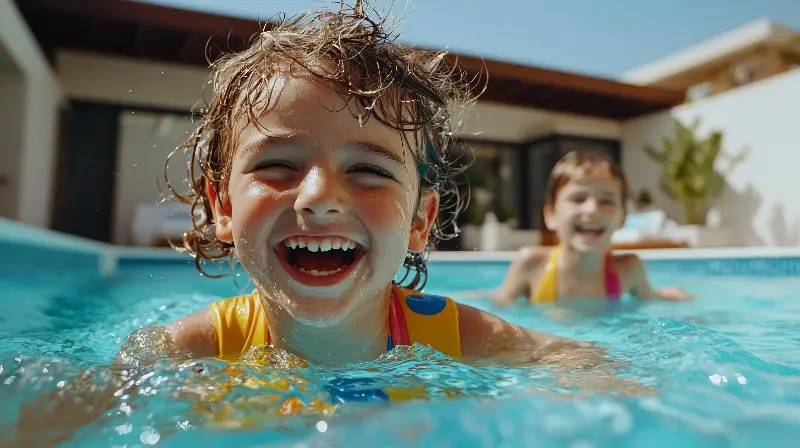
Lifeguard Presence and Supervision
Nothing replaces the importance of vigilant eyes when children are in or around water. Always swim in areas where there’s a qualified lifeguard present, especially if you are visiting public pools or beaches. However, even with lifeguards, parents and guardians must keep active watch. Drowning can occur silently and within seconds. The Centers for Disease Control and Prevention reports that drowning is a leading cause of accidental death among children. The youngest kids, especially those under five, are at the highest risk.
When supervising, stay within arm’s reach of young swimmers, especially non-swimmers or beginners. Avoid distractions like phones, books, or socializing with other adults. Try to designate a “water watcher”—a responsible adult tasked solely with monitoring children in the water. You can even share this duty in shifts to ensure continuous and focused attention.
Swim Lessons and Water Acclimation
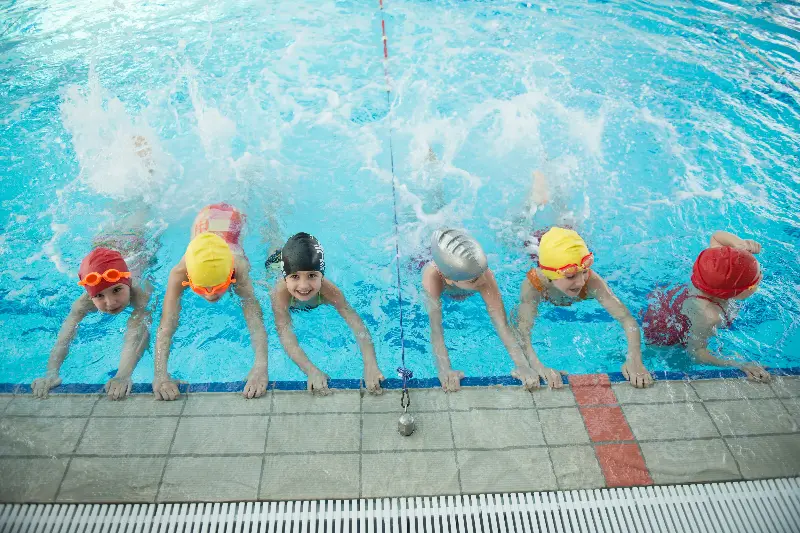
Early swim lessons can make a world of difference, not only in teaching water skills but also in building confidence. Many experts recommend starting formal swim lessons around age four, but parent-and-child classes are available for even younger children to get comfortable with being in the water. The American Academy of Pediatrics has updated its guidelines to say that swim lessons can reduce the risk of drowning in children as young as one year old.
Look for certified instructors and programs that focus on water safety basics: floating, treading water, and understanding pool rules. For kids who may be fearful, start at their pace. Allow time for water play and gentle practice so they can gain trust in you and the water. Remember, swimming is a skill—practice and patience are just as important as formal instruction.
Use of Proper Safety Gear
Let’s talk gear—because not all floaties and toys are created equal. While inflatable rings and “water wings” might be cute, they can slip off or offer a false sense of security. Instead, choose Coast Guard-approved life jackets, especially for children who cannot swim or when you’re at natural water sites like lakes and rivers. These life jackets are specifically designed to keep children’s heads above water and are much more reliable than their inflatable counterparts.
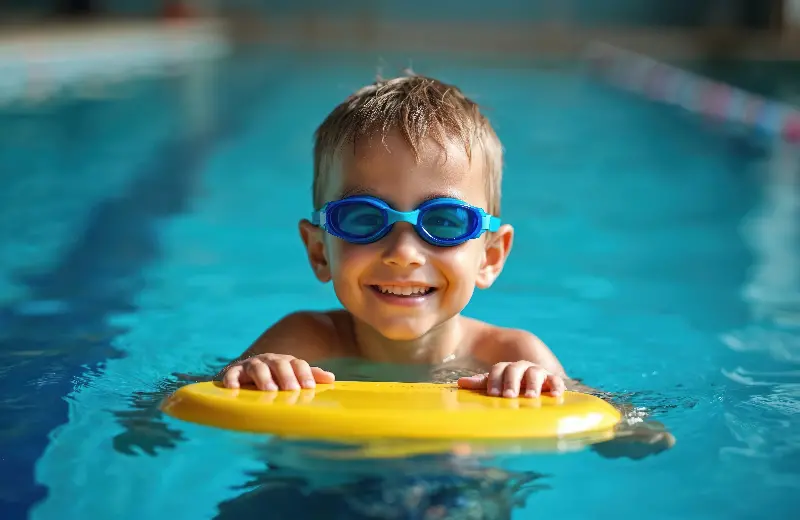
Aside from flotation devices, make sure your child has appropriate swimwear that is comfortable and visible. Brightly colored swimsuits stand out in the water and help you or lifeguards spot your child quickly. Swim goggles can also help protect sensitive eyes and add to the enjoyment of diving or playing underwater. If outside, don’t forget water-resistant sunscreen and hats for added protection from the sun’s rays.
Establishing Pool and Water Rules
Setting up clear, consistent rules is essential before your child sets foot near water. These guidelines promote respectful, safe play and are much easier for kids to remember if they’re simple and regularly reinforced. Common rules might include “no running on the pool deck,” “never swim alone,” “no diving in shallow water,” and “always ask permission before entering the water.”
For families with backyard or community pools, install safety barriers like fences with self-latching gates and pool alarms. Even for experienced swimmers, these measures prevent unsupervised access to the water. Teach children about potential pool hazards, such as slippery surfaces or drains, and how to react in case someone else appears to be in trouble. Empower them to seek help quickly from an adult or lifeguard if something seems wrong.
