


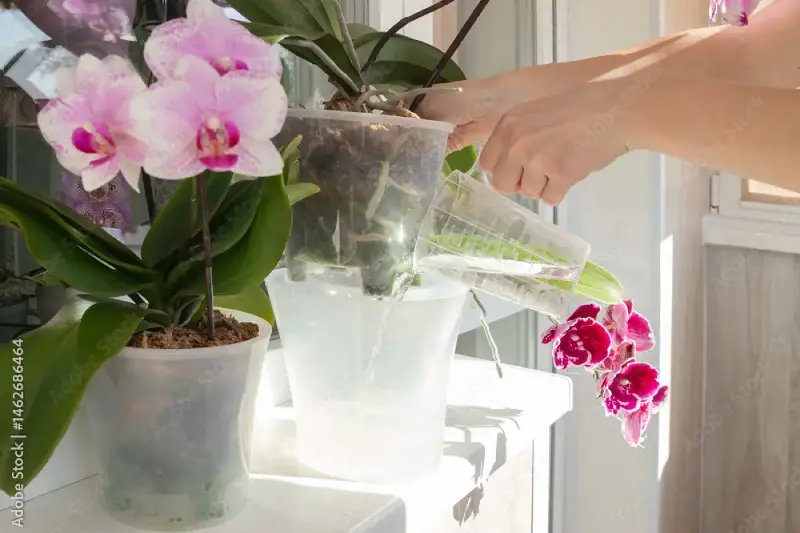
ask any plant enthusiast about their favorite care hack, and chances are you’ll hear about bottom watering. it’s a method that has grown in popularity among those who want their houseplants to thrive, not just survive. but what exactly is bottom watering, and why do so many plant lovers swear by it? whether you’re a new plant parent or have years of green-thumb experience, understanding this approach could make a dramatic difference in the health of your indoor jungle.
bottom watering unmasked: what is it?
bottom watering is just what it sounds like—watering your plants from the bottom up instead of pouring water onto the soil surface. to do this, you fill a tray, sink, or basin with water and set your plant pot (with drainage holes) inside. you then let the plant absorb water through the pot’s drainage holes, usually for about 10 to 30 minutes, depending on the pot size and soil composition. the soil naturally soaks up what it needs like a sponge, and when properly timed, you significantly reduce the risk of overwatering.
the science behind the soak
why does this process tend to win out over top watering for many indoor gardeners? the answer is largely about soil hydration and root health. in top watering, excess water can quickly escape down the sides of the pot, sometimes passing through without fully saturating the root ball. this can create dry pockets in the soil or even leave the plant’s roots struggling for moisture in spots, while others are overly wet—a classic recipe for root rot or stressed roots.
bottom watering, in contrast, promotes even and gradual moisture distribution. as water is wicked upwards, it reaches the roots gently and thoroughly, giving every part of the soil column a chance to hydrate. this consistent moisture encourages stronger and deeper root growth, making plants more resilient overall.
a solution to stubborn soils
anyone who’s struggled with hydrophobic (water-repelling) potting mix knows the frustration of pouring water onto the soil, only to watch it bead up on top or drain straight out the bottom, leaving large portions bone dry. this often happens with peat-based mixes that have been allowed to dry out. bottom watering solves this common headache: as water is absorbed slowly through the drainage holes, even compacted or very dry soils can rehydrate more effectively. it’s almost impossible for the water to bypass the root zone entirely, which is great news for moisture-loving plants like calatheas, ferns, or african violets.
keeping leaves happy and healthy
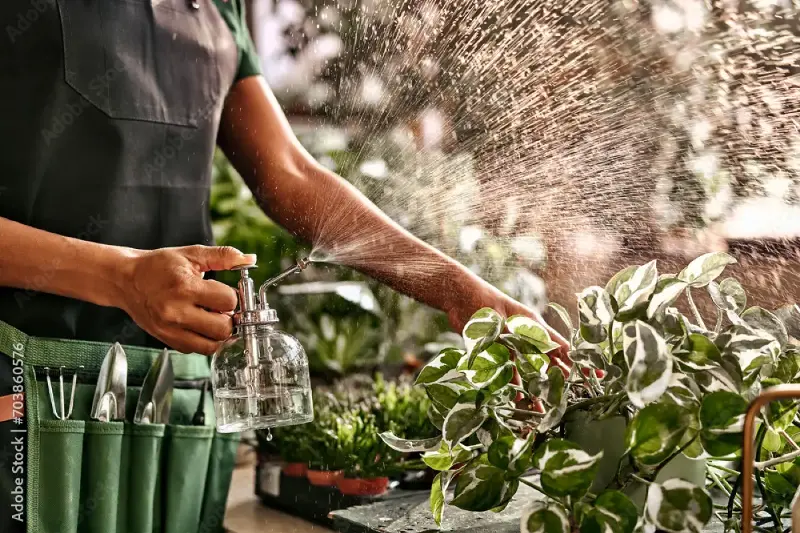
many plant lovers also gravitate toward bottom watering to safeguard their plant’s foliage. contact with water on the leaves, especially for fuzzy-leafed plants like begonias and african violets, can lead to unsightly spots, leaf rot, or fungal issues. with bottom watering, you avoid wet leaves altogether, reducing the risk of disease and keeping your plant looking picture-perfect longer.
side benefits for pests and fungi
overly wet soil surfaces from top watering can attract fungus gnats, those annoying tiny flies so common in indoor gardens. because bottom watering allows the soil’s upper layer to stay relatively dry, it can make your plants less appealing to these pests. in addition, keeping the surface dry discourages mold and other fungal issues—a must if your home tends towards humidity or lacks ideal airflow.
low-maintenance and sustainable
bottom watering often requires less frequent watering than its counterpart. because the soil absorbs moisture thoroughly, it retains water longer, translating to less work for busy plant owners. it’s also a more sustainable way to irrigate, reducing water waste since plants only soak up what they need. for those on the go or managing a busy household, this can be a game-changer.
an educational moment
bottom watering isn’t just about convenience—it’s also a fantastic way to get to know your plants better. by noting how quickly your plant absorbs water from the tray, you can gauge how thirsty it was, how healthy the root system is, and whether you need to tweak your care routine. over time, you’ll start to notice patterns: some plants may drink quickly when actively growing, while others slow down as they enter dormancy, telling you when it’s time to scale back.
what kinds of plants benefit most?
while virtually any houseplant can enjoy bottom watering, it’s particularly beloved among those caring for moisture-sensitive varieties. african violets, orchids, peace lilies, calatheas, and pileas are all prime candidates. succulents and cacti, on the other hand, usually do just fine with careful top watering, since they require much less moisture to begin with.
it’s all in the details: best practices
to get the best out of bottom watering, use pots with unobstructed drainage holes. let your plant sit in the water filled tray only until the soil is evenly moist—leaving it soaking for hours can just as easily cause root rot as overly frequent top watering. after soaking, let the pot drain thoroughly before returning it to its usual spot.
you may still want to alternate with the occasional top watering. this helps flush out salts and minerals that can accumulate in the soil from tap water or fertilizers, which bottom watering alone can leave behind.
wrapping up: bottom watering as a care revolution
bottom watering is more than a trend—it’s a practical, plant-friendly technique that addresses real issues many indoor gardeners face. it helps prevent root problems, improves hydration, keeps leaves pristine, and makes houseplant care less daunting for everyone. perhaps that’s why it has so many devoted fans: once you see your plants thriving after bottom watering, it’s hard to go back to old habits. for those ready to elevate their houseplant care routine, bottom watering may just be the life-changing hack you never knew you needed.