


Imagine waking up to a silent world. No buzzing in your garden, no curious honeybees drifting over picnics, and, most importantly, not a single bee left on the planet. While this may sound like the plot of a sci-fi thriller, it's a scenario scientists have pondered for decades. What would really occur if every bee on Earth suddenly vanished overnight? The answer is both shocking and intricately linked to our daily lives.
The Role Bees Play in our Ecosystem
Bees are much more than just honey producers. They are frontline pollinators, supporting the reproduction of countless flowering plants. Of the approximately 20,000 bee species worldwide, both wild (such as bumblebees) and domesticated honeybees are responsible for pollinating around 75% of the food crops we rely on. This includes apples, almonds, blueberries, cucumbers, coffee, and many others. Even plants not destined for human plates—like wildflowers—benefit from bees, maintaining rich plant and animal diversity.
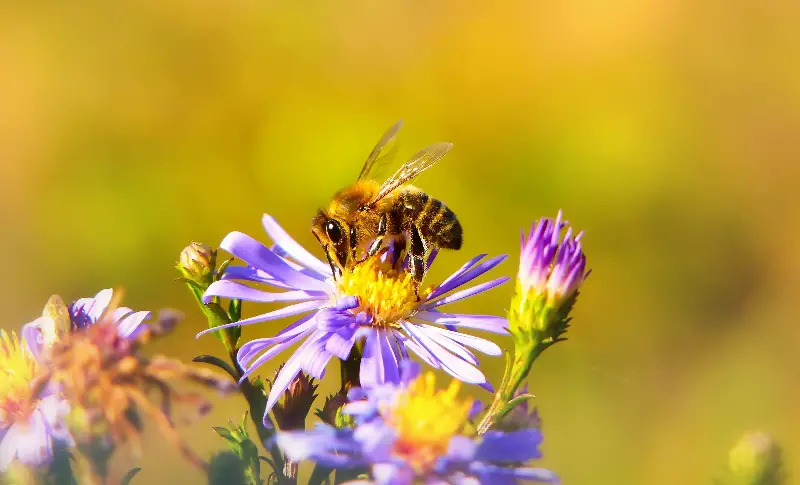
When bees land on a flower, seeking nectar, they brush against pollen grains. As they move from blossom to blossom, they transport these grains, enabling fertilization and leading to the production of fruits, vegetables, and seeds. Without bees, this natural chain of pollination would break.
Immediate Agricultural Impacts
Without bees, agriculture would face an unprecedented crisis. While some crops are self-pollinated or wind-pollinated—such as wheat, corn, and rice—many of our most nutritious and valuable foods depend on bee pollination. Fruits and nuts like apples, cherries, avocados, and almonds could see their yields drop by more than 90%. In fact, almond trees, famously dependent on bees in California, would see production grind almost completely to a halt.
Farmers would need to attempt manual pollination, hand-brushing pollen from flower to flower. However, this is a costly, time-consuming process and would likely lead to sharp increases in food prices. In places like China, where bee populations have been locally wiped out in some regions, farmers have already resorted to pollinating pear and apple blossoms by hand—a labor-intensive process that could never be scaled up globally.
Ripple Effects on the Food Chain
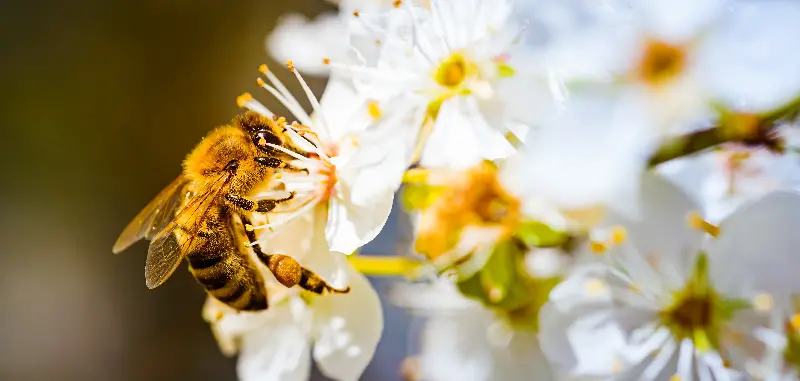
If bees disappeared, effects would ripple through the ecosystem. Many birds, mammals, and insects rely directly or indirectly on the fruits, seeds, and nuts that bees help produce. A decline in these food sources could trigger animal population crashes, interrupt migration patterns, and ultimately disrupt entire food webs. Some animals, like certain species of bats and birds, depend almost exclusively on bee-pollinated plants for survival.
Moreover, humans would not just lose out on healthy foods. Favorite treats like chocolate, coffee, and even vanilla would become rare luxuries. Pollination is also vital for things less immediately obvious, like cotton plants, which make up much of our clothing. Our diets and even our wardrobes could look radically different.
Nature’s Backups: Other Pollinators and Possibilities
It’s true that bees are not the only pollinators on Earth. Butterflies, beetles, birds, bats, and even the wind perform pollination. However, bees are by far the most efficient. They have evolved tiny body hairs that collect and hold pollen far better than most other insects, and many plants are specially adapted to attract bees rather than other pollinators.
Still, some pollination would continue in the absence of bees—but at vastly lower rates. Yields of bee-dependent crops might not drop to zero, but they would plummet enough to severely disrupt food accessibility and diversity. It’s also not realistic to expect other pollinators to step up and fill the enormous gap left by bees in a short period.

Long-Term Outlook for Humanity
The disappearance of bees would likely not spell the immediate end of humanity, but the shockwaves would be profound and long-lasting. Global food security would be threatened as the loss of bee-pollinated crops put pressure on agricultural systems. Prices would soar, and the poorest regions already struggling with malnutrition would be hardest hit. Dietary variety would shrink, leaving us more dependent on staple grains and less able to enjoy—or even access—nutrient-dense fruits, nuts, and vegetables.
At the same time, the disappearance of wildflowers would undermine rural beauty, biodiversity, and land stability. Soil erosion could increase, as complex plant ecosystems unravel. Entire landscapes would change, and with them, the culture and livelihoods of people who depend on bees for income—beekeepers, farmers, and even the hospitality and food industries.
Hope for the Future: Protecting Our Pollinators
Fortunately, the vanishing of every bee on Earth is still a hypothetical scenario. Yet, bee populations are indeed under threat from habitat loss, pesticides, disease, and climate change. Worldwide, scientists, farmers, and regular citizens are rallying to help protect and restore bee populations. Planting wildflowers, cutting pesticide use, supporting organic farming, and preserving wild habitats are effective steps.
The story of the bees is a powerful reminder: small creatures can make a huge impact. The positive side remains—through education and action, we can help ensure the world’s buzzing pollinators stick around, keeping our plates, gardens, and wild places full of life and color for generations to come.