


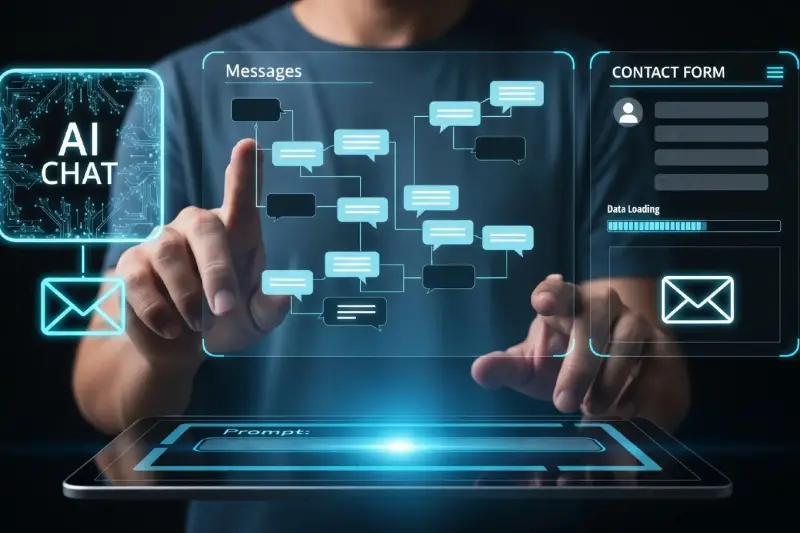
The world of artificial intelligence is advancing at a breathtaking pace, and the anticipated arrival of gpt‑5 is already igniting conversations across the globe. As the next leap in large language models, gpt‑5 sits at the interesting crossroads where technology begins to reshape our interactions, relationships, and even our understanding of intelligence itself. But what exactly does this breakthrough mean for the way humans connect with ai—and each other? Let's take a closer look at the unprecedented possibilities and intriguing challenges that lie ahead.
Breaking New Ground: What Sets Gpt‑5 Apart
The development of gpt‑5 isn't just another incremental upgrade in artificial intelligence. While previous models like gpt‑3 and gpt‑4 stunned the world with their sophisticated language abilities and creative outputs, gpt‑5 is expected to move closer to what researchers describe as general intelligence, or at least a convincing simulation of it.
With anticipated access to vastly larger datasets, advanced neural network architectures, and improved training approaches, gpt‑5 promises an even more nuanced understanding of context, emotion, and culture. Early discussions suggest it could fluidly translate between dozens of languages, interpret visual cues through multimodal learning, and even engage in more “human-like” conversations by detecting pauses, emotions, and implicit meaning. Imagine an ai that recognizes when you’re stressed during a chat and adapts its tone or suggestions accordingly—no wonder the tech world is buzzing.
Human-Ai Interaction Reimagined
Perhaps the most fascinating shift with gpt‑5 will be in the quality of human-ai interaction. The days of robotic, predictable responses are quickly fading. Instead, users are expected to interact with ai systems that understand subtleties in humor, sarcasm, emotional subtext, and evolving cultural references. This could dramatically change customer service experiences, mental health support, educational tutoring, and even entertainment.
For example, an ai-powered virtual assistant could become an ever-present study buddy who not only knows your homework but also senses when you need encouragement or a lighter moment to destress. In the workplace, it might mean ai that can read the room—figuratively speaking during a virtual meeting—and help managers assess team morale. The implications for inclusivity are huge, especially for those who struggle with communication barriers, as ai gains a better grasp of different dialects, speech patterns, and non-verbal signals.
Surprising Benefits: From Creativity to Collaboration
People often focus on productivity, but gpt‑5’s influence on creativity and collaboration may turn out to be even more transformative. Musicians can jam with ai bandmates who improvise in real time, authors can co-write stories with ai narrators that know when to add drama or humor, and artists can explore entirely new visual styles inspired by both human and machine imagination.
The potential is particularly exciting in cross-discipline collaboration. Engineers and designers might converse with ai that understands both complex technical requirements and the aesthetics of good design. Medical professionals can leverage smarter language models to analyze patient histories, interpret imaging data, and generate insightful summaries for caregivers and patients alike. Gpt‑5 shifts the conversation from “what can ai do for me?” to “what can we achieve together?”
Challenges And Considerations On The Horizon
Of course, no technological leap is without its ethical and societal questions. As ai becomes increasingly “real,” people may develop emotional connections to ai companions or begin to rely heavily on virtual advisors for decisions in their daily lives. While this brings comfort and efficiency, it also sparks debate about privacy, consent, and the potential for bias in decision-making algorithms.
Gpt‑5’s vast language capabilities also mean that the spread of misinformation could become more sophisticated, requiring careful regulation and transparency. Openai and other developers are working on robust safety mechanisms—like traceable response origins and improved content filters—but experts warn that a collaborative, multidisciplinary approach will be essential to guard against misuse.
Furthermore, the question of jobs and automation looms large. While ai can take over repetitive or dangerous tasks, it can also augment and enrich many professions—the key will be equipping people with the skills to thrive alongside this “new colleague” rather than be replaced by it. Community dialogue, lifelong learning, and adaptation will be crucial.
A Glimpse Into The Future Of Connection
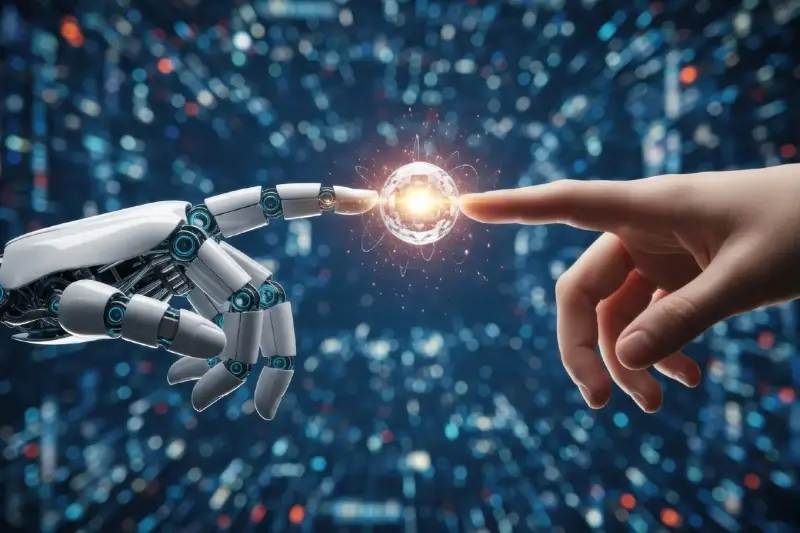
The arrival of gpt‑5 isn’t just about better chatbots or more accurate translation; it’s about redefining what it means to interact in a digital age. As ai begins to understand us more deeply, personalize experiences more thoughtfully, and amplify our creativity and collaboration, the boundary between human and machine will continue to blur.
With excitement, optimism, and a touch of healthy skepticism, we stand on the cusp of a new phase in the relationship between people and intelligent technology. As gpt‑5 and its contemporaries reshape our digital lives, one thing is certain: the world of tomorrow will be more connected, creative, and complex—and our interactions with ai will be at the very heart of it.