


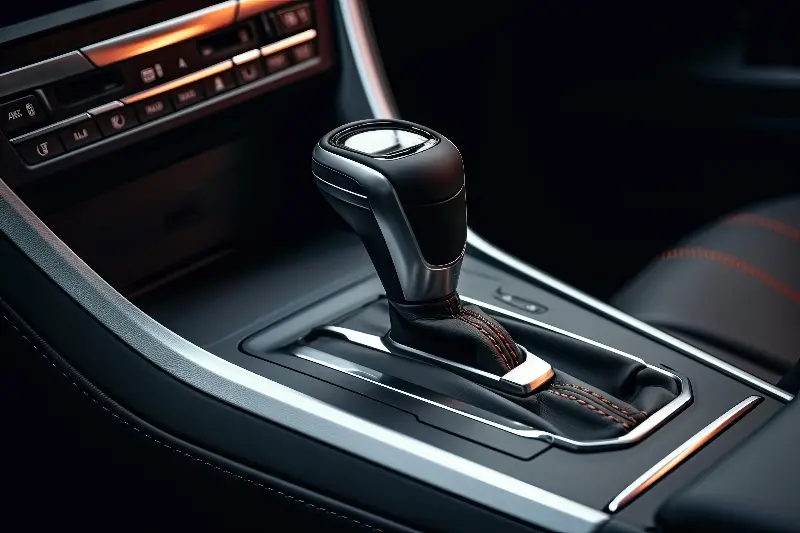
Every car enthusiast knows that automatic transmissions have taken the stress out of driving. They offer a seamless experience, especially in bumper-to-bumper traffic or on long road trips. But while automatics are generally robust, there are several costly mistakes that drivers commonly make—errors that could lead to hefty repair bills or even premature gearbox failure. Understanding these habits and how to avoid them can save you time, money, and disappointment. Here are the seven most common mistakes drivers make with automatic cars, along with practical tips to ensure your gearbox stays in prime condition.
Shifting Gears Without Fully Stopping
One of the most frequent mistakes happens during parking maneuvers or when trying to reverse direction quickly. Many drivers switch from ‘drive’ to ‘reverse’ or vice versa while the car is still moving. This quick change causes the transmission to absorb the leftover momentum instead of the brakes, potentially damaging the internal components. Modern automatic transmissions are designed to withstand a lot, but forcing gear changes on the move can wear out clutches and bands inside the gearbox far faster than normal.
The best practice is simple: always bring the car to a complete stop before changing from drive to reverse or the other way around. Make it a habit, especially when in a hurry or maneuvering in tight spaces.
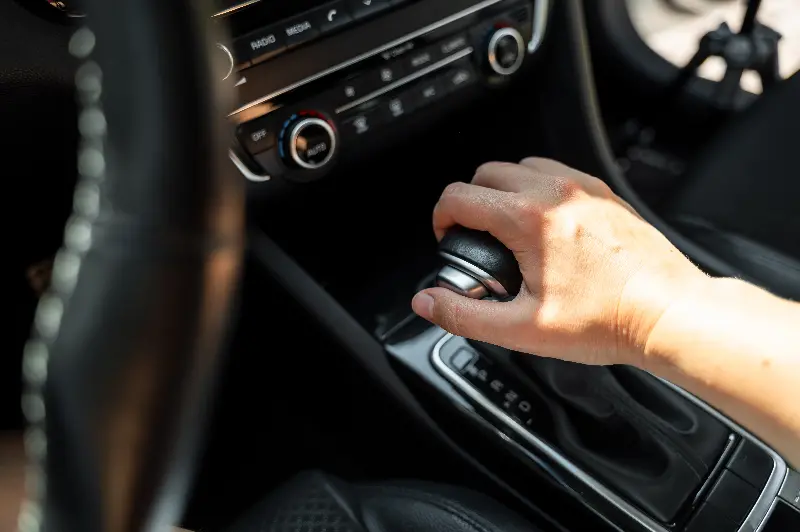
Resting Your Hand On The Gear Selector
It might seem harmless, but casually resting your hand on the gear lever in an automatic can lead to internal wear over time. Unlike manuals, where shifting is frequent, automatics only require occasional use of the gear selector. Leaning on or fidgeting with the shifter while cruising can apply unnecessary pressure to the selector mechanism and bushings inside the gearbox, risking misalignment or long-term damage.
If you need somewhere for your hand, use the armrest. Leave the gear selector alone once you’ve chosen your setting.
Ignoring Transmission Fluid Changes
Many drivers focus on engine oil changes but forget about transmission fluid. Automatic transmissions use this special oil not just for lubrication but also for transferring power and keeping the system cool. Over time, transmission fluid degrades, losing its effectiveness. Contaminated or old fluid can cause overheating, poor performance, and accelerated gearbox wear.
Check your owner’s manual for recommended change intervals—these often range from every 30,000 to 60,000 miles depending on the make and model. Using the correct fluid type is also crucial, as the wrong product can be as harmful as dirty fluid.
Riding The Brakes On Downhill Roads
Dragging your foot on the brake pedal while going downhill not only heats up your brake pads but also negatively affects the automatic transmission, especially in vehicles equipped with adaptive features. Constant braking can cause the transmission to hunt between gears, increasing wear. Some automatics allow for manual selection of lower gears (‘L’ or numbers on the shifter). These gears limit upshifting, using engine braking to help control your descent without stressing the system.
Learn how to use your transmission’s manual mode or lower gear options on descents. This small change relieves pressure on both your brakes and gearbox.

Neglecting Regular Transmission Servicing
Transmission servicing goes beyond simply changing the oil. It can include inspecting or replacing the filter (if fitted), adjusting bands, and checking electronic controls. Some drivers only seek help when their automatic starts acting up, like delayed shifting, slipping, or odd noises. By this stage, damage might already be expensive.
Schedule routine inspections with a qualified technician, especially if your vehicle has high miles or if you do a lot of towing, city driving, or stop-and-go commuting.
Overloading The Vehicle
Automatic transmissions are finely balanced to match the intended weight and power of each car. Packing your vehicle with excessive weight or consistently towing loads beyond the recommendations puts tremendous strain on the transmission. Extra weight increases the heat generated within the gearbox, which, if unchecked, can quickly lead to overheating and breakdowns.
Check your car’s maximum allowable weight (often found on a sticker inside the driver’s door) and stick to it. If you tow regularly, consider installing an auxiliary transmission cooler and follow manufacturer guidelines regarding towing capacity.

Shifting Into Park Before Stopping
It might not seem like a big deal, but engaging the ‘park’ setting before your car has come to a halt can be disastrous. The parking pawl—a small but crucial component—locks into a notched wheel in the gearbox, preventing motion. If the car is still rolling, this steel part can chip or break, leading to expensive repairs and even risking your car rolling away if the pawl fails completely.
Always ensure your car is stationary and your foot is on the brake before selecting ‘park.’ Use your parking brake as backup on any incline for extra peace of mind.
Conclusion
Automatic transmissions are marvels of modern engineering, but their longevity depends on how you drive and maintain them. From avoiding hasty gear changes to paying attention to fluid health and mechanical limits, small shifts in habit can make a world of difference. By steering clear of the seven expensive blunders above, you’ll keep your automatic gearbox smooth, reliable, and ready to deliver effortless miles for years to come. Your car—and your wallet—will thank you in the long run.