


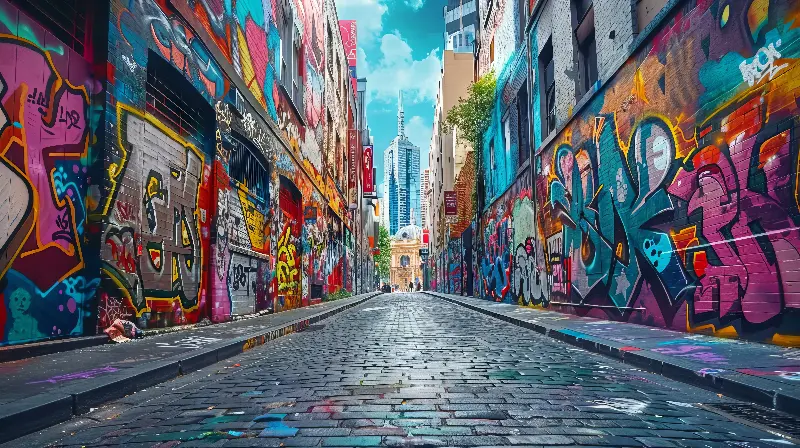
There is no greater pulse of the city than that found in its unexpected corners and alleyways, alive with vibrant sprays of color. Graffiti, long considered the voice of rebellion, now defines urban culture far more profoundly than mere acts of defiance. Around the world, cities have come to realize that graffiti can be both a mirror and a heartbeat—capturing the spirit, struggles, and dreams of its people.
Graffiti’s Origins: Speaking For The Margins
Graffiti’s roots stretch back to ancient civilizations, with wall carvings in Rome and Egypt sharing messages, stories, and names. Today’s spray-painted murals have evolved from these ancient traditions, but the essential motives remain: to communicate, to claim space, and to leave a mark. The modern graffiti movement swept through the world from the streets of 1970s New York, where young artists—often from marginalized communities—used spray paint to make themselves seen in a city that ignored them. At first, authorities saw this as vandalism—a crime to punish. Yet underneath the night’s quick scrawls and bold letters was always an unmistakable cry for connection.
From Illicit Expression To Urban Identity
As decades passed, the perception of graffiti began to shift, especially as the talent behind the art became undeniable. Some of the world’s most celebrated contemporary artists found their first canvas on city walls and subway cars:
- Jean-Michel Basquiat: Who brought Neo-expressionism from the streets to the elite galleries.
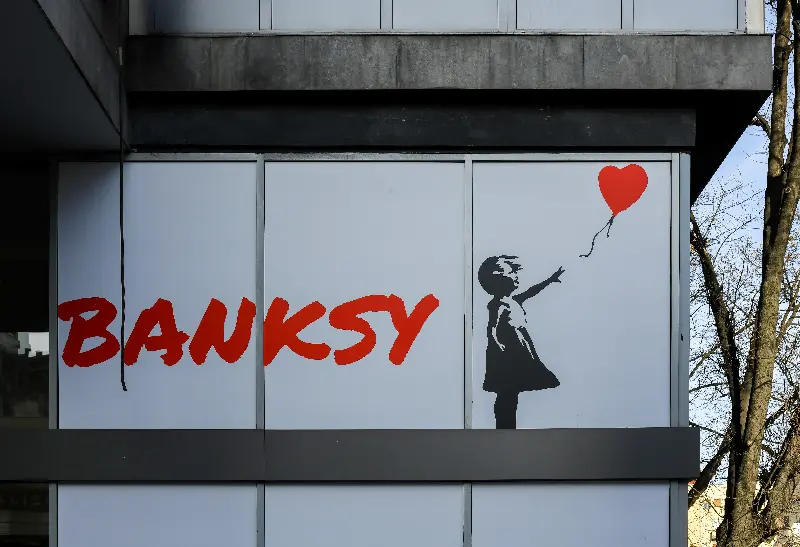
- Banksy: Whose satirical street art has become a global political phenomenon.
- Lady Pink: A pioneer who proved that women could lead the underground graffiti movement.
Their work blurred the line between vandalism and legitimate art, forcing both critics and city officials to rethink their stance. Today, cities like Berlin, São Paulo, and Melbourne actively encourage graffiti, commissioning works in public spaces and holding festivals that draw global crowds.
The Language Of The Walls
The imagery and messages in graffiti are often deeply tied to a city’s identity. Walk through Bogota, and you’ll see political protests in spray paint form—commentary on power, inequality, and national pain. In Lisbon, an explosion of vibrant street art transformed decaying neighborhoods into open-air galleries, sparking massive urban renewal.
Every city’s wall tells a different story:
- Hope: Murals celebrating progress and future dreams.
- Anger: Raw commentary on social injustice and systemic failures.
- Humor: Whimsical characters that brighten a morning commute.
- Legacy: Tributes to beloved local heroes and cultural icons.
The ephemeral nature of the medium—knowing the mural may last only until the city repaints or a rival tags over it—makes each work a unique, fleeting chapter in the ongoing urban tale.
A Platform For Untold Stories
Urban art is one of the few platforms where ordinary voices are broadcast on a grand scale. Women have found powerful space on the walls, challenging gender norms through large-scale murals. LGBTQ+ artists use graffiti to claim visibility and safety, while immigrants and youth inscribe their hopes for everyone to see.
In Buenos Aires, the “fileteado” style blends graffiti with tango and football, creating visual poetry that’s uniquely Argentinian. Meanwhile, in Seoul, street artists reflect the push and pull between ancient tradition and neon-lit modernity. These works are not just pretty backdrops for social media—they are the vivid lifeblood of entire communities.

From Controversy To Celebration
Even with its growing acceptance, graffiti remains controversial. Questions persist about who gets to decide what becomes permanent and what gets washed away. Cities often walk a tightrope, promoting art that aligns with their desired image while still policing unauthorized works.
Yet, this very tension contributes to graffiti’s authenticity. Sometimes, the most meaningful art slips up unnoticed overnight, speaking truths too raw for approved murals. This is how cities stay alive—a constant back and forth between institutional approval and unfiltered creativity.
Increasingly, local governments are seeking creative solutions:
- Legal Walls: Designated spaces where artists can practice without fear of arrest.
- Curated Tours: Professional guides who introduce visitors to the cultural secrets of the streets.
- Business Collaboration: Facades painted by world-renowned artists to drive foot traffic.
Graffiti has come a long way from its outlaw roots. When embraced thoughtfully, it grows into more than just a rebellious act—it becomes the beating heart of the city. If you want to hear a city’s real story, look first to its walls.