


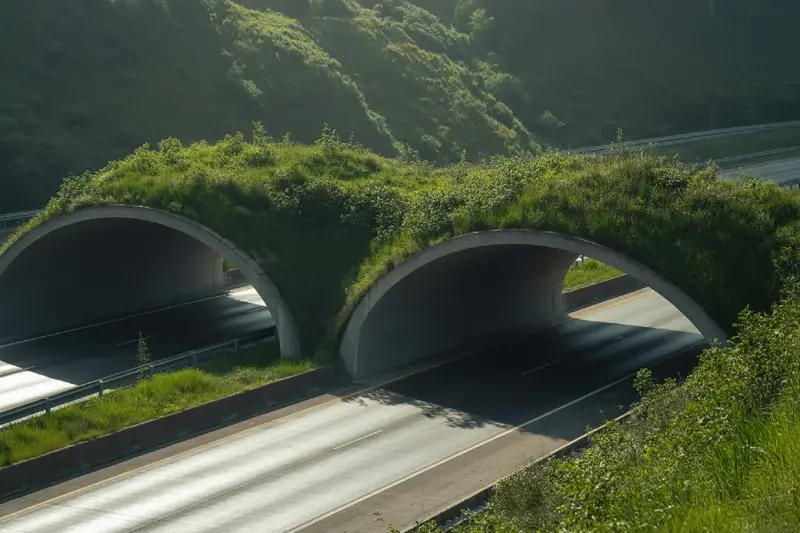
Every year, millions of animals—from tiny frogs to towering moose—take a perilous gamble as they attempt to cross busy roads. Unfortunately, their journeys often end tragically. Roadways carve through wild landscapes, creating invisible walls that fragment habitats and make everyday movement a deadly ordeal. Yet, there’s a beacon of hope rising above (and sometimes below) the asphalt: innovative, wildlife-friendly crossings designed specifically to keep our animal neighbors safe.
Wildlife Crossings: What Are They and Why Do They Matter?
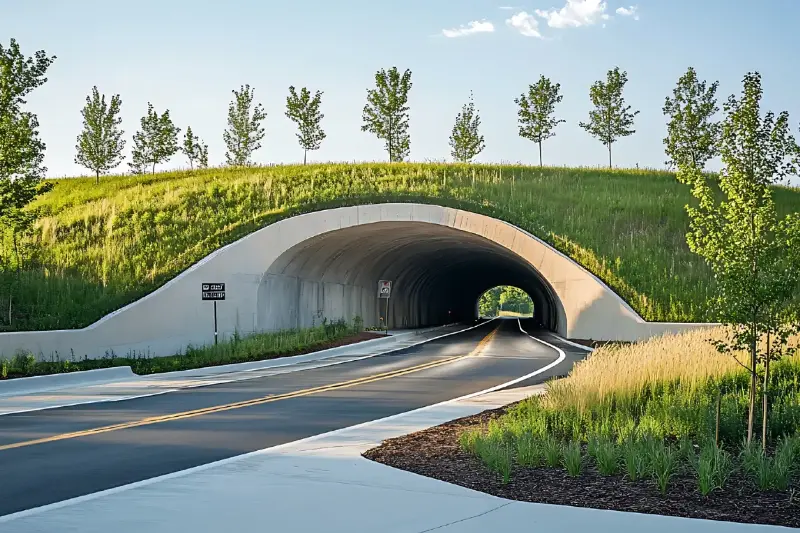
Wildlife crossings come in two main forms: overpasses, lush with native plants and shrubs, arching elegantly above roads, and underpasses, hidden beneath the tarmac, offering cool, shaded corridors for ground-dwelling creatures. These structures are not simple footpaths; they are carefully engineered bridges and tunnels that cater to the distinct behaviors and needs of different species.
The necessity for these safe passages is driven by staggering statistics. In the United States alone, there are over one million wildlife-vehicle collisions each year, resulting in more than 200 human fatalities, countless injuries, and billions in property and insurance costs. But beyond the human toll, roads act as barriers for animals, isolating populations, restricting their access to food, mates, or seasonal habitats, and ultimately threatening the survival of entire species.
Success Stories from Around the Globe
The concept of building safe passages for wildlife isn’t new, but its popularity has surged as evidence of success mounts. One of the most celebrated examples is in Banff National Park, Canada. Since the installation of numerous wildlife overpasses and underpasses along the Trans-Canada Highway, scientists have recorded over 150,000 successful animal crossings, including elk, bears, wolves, and cougars. This has led to an 80% reduction in wildlife-vehicle collisions in those areas.
In the Netherlands, which boasts more than 600 wildlife bridges and tunnels, special “ecoducts” allow red deer, boar, and other native species to safely traverse highways. Even small amphibians get dedicated crossings: in Switzerland and Germany, tiny tunnels beneath roads help frogs and salamanders migrate without being flattened by cars, with volunteers guiding them to safety during busy breeding seasons.
Asia is catching up too. In India, elephant corridors are being introduced, using underpasses that help these gentle giants avoid busy train tracks and highways, ensuring both animal and human safety.
The Science Behind the Design
Building a wildlife crossing isn’t just about putting up a bridge and hoping for the best. Biologists, engineers, and ecologists study the unique movement patterns and preferences of local wildlife. For example, deer and elk prefer wide, open overpasses with grass and shrubbery, while smaller mammals might use narrower tunnels. Fencing along roadways funnels animals toward these crossings, gently guiding them to safety.
Camera traps and motion sensors installed on crossings provide valuable data, revealing which species use them and how often. This feedback allows conservationists to tweak designs, ensuring passages are as effective as possible. Sometimes, subtle changes—a different plant species, wider pathways, better lighting—can make a huge difference.
Benefits Beyond Just Animals
It’s easy to see wildlife crossings as a win for animals, but people benefit too. Fewer collisions mean safer roads and lower insurance costs. In fact, a study in Wyoming found that a single wildlife overpass costing $2.5 million paid for itself in just a few years by preventing dozens of costly vehicle accidents with large mammals like moose and deer.
There are ecological perks as well. By reconnecting fragmented habitats, crossings allow animals to seek out mates, expand their territories, and maintain healthy, genetically diverse populations. This, in turn, supports broader ecosystem health. For example, predators like wolves help regulate prey populations, keeping ecosystems balanced—a natural process that depends on animals being able to move freely.
Community Engagement and The Road Ahead
Public interest and community involvement are vital to the success of these projects. In some places, local volunteers help guide amphibians to safety during migration seasons or participate in citizen science projects, such as monitoring trail cameras. Storytelling and education make the case for more crossings, turning dry statistics into heartfelt narratives about animals and motorists living safely side by side.
Funding remains a challenge, but as high-profile successes and heartwarming stories make headlines, momentum is building. Governments and NGOs are collaborating to expand networks of safe passages, and designers are coming up with more creative, cost-effective solutions—like rope bridges for monkeys in Costa Rica or tunnels under roads for hedgehogs in the UK.
Wildlife crossings are a shining example of how thoughtful engineering and a dash of compassion can make a world safer for all inhabitants—human and animal alike. Every new overpass or tunnel brings us closer to a future where road trips and migration routes coexist in perfect harmony, and every animal—be it a wandering bear or a tiny toad—has a safe path home.