


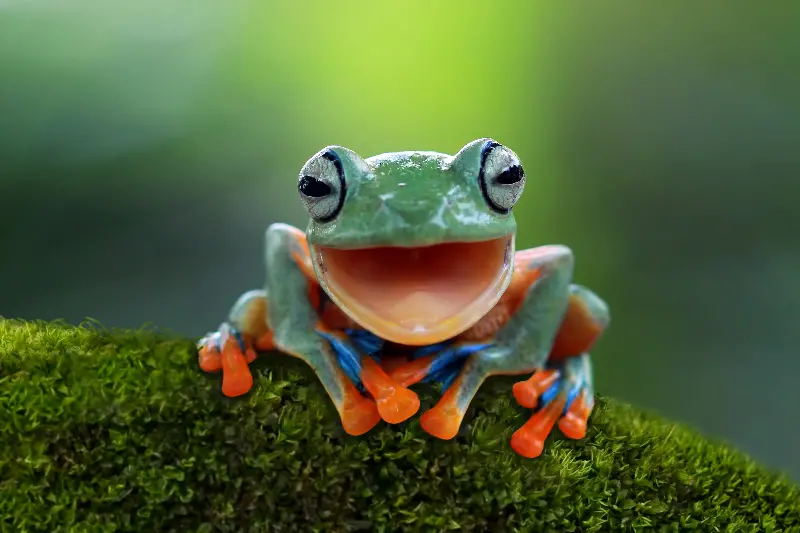
Across the world, an eye-catching ensemble of wildlife dazzles us with brilliant shades of blue, crimson, yellow, and green. At first glance, their radiant colors promise vibrancy and beauty, like living jewels set against the emerald backdrop of rainforests or sparkling riverbanks. But nature, with her penchant for clever illusions, often pairs the allure of color with a hidden warning: “Admire me, but don’t come too close.” Some of the planet’s most stunning creatures are also the most lethal, their colors serving as both lures and lifesaving signals in the game of survival.
Why The Brightest Hues Mean Danger
Unlike mammals, which often rely on fur for camouflage in the wild, reptiles, amphibians, birds, insects, and marine creatures have evolved to use color as both shield and sword. The phenomenon known as aposematism is the evolutionary trend where vibrant color warns predators of toxicity or unpleasant taste. These natural warning labels are not just beautiful to human eyes; they are vital messages broadcast to any would-be predator.
Brilliant hues in the animal kingdom are nature’s version of high-visibility vests and stop signs. The gaudy blue poison dart frogs of Central and South America, the fiery red and orange of the Australian box jellyfish, or the iridescent blue stripes of the blue-ringed octopus—all signal their venomous or poisonous nature. It’s as if nature is saying: try to eat me, and you’ll regret it.
Deadly Frogs: The Jewels Of The Rainforest Floor
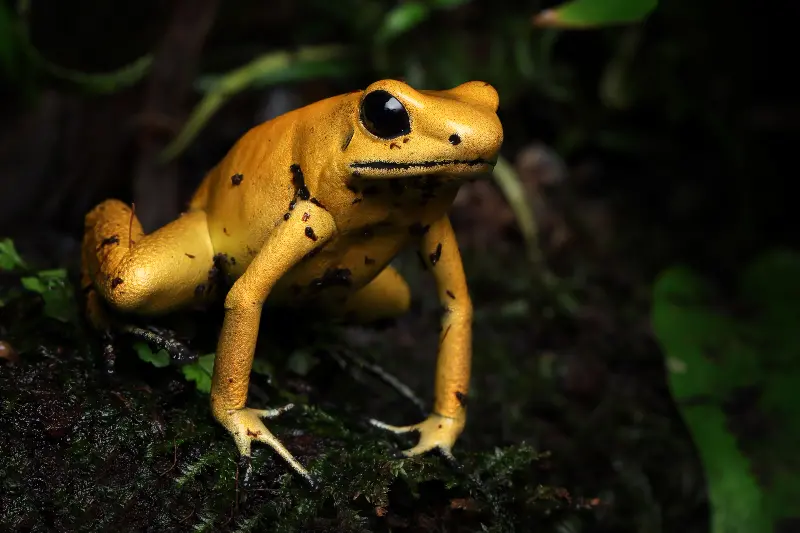
Perhaps the most iconic of the lethal living jewels are the poison dart frogs. Found mainly in Central and South America, their tiny bodies—no bigger than a grape—come decked in shades that would make any gemstone envious. The golden poison dart frog (Phyllobates terribilis) holds the record as the most poisonous vertebrate on Earth. Locals once used their skin toxins to coat darts for hunting, a practice that gave these frogs their famous name.
Despite their size, just a couple of micrograms of their batrachotoxin can kill a human. What’s even more fascinating? These frogs are only poisonous in the wild, as their toxins come from eating specific ants and insects in their rainforest habitat. Captive frogs raised on a different diet lose their deadly defense but retain their awe-inspiring hues.
Aquatic Dangers: The Sea’s Colorful Assassins
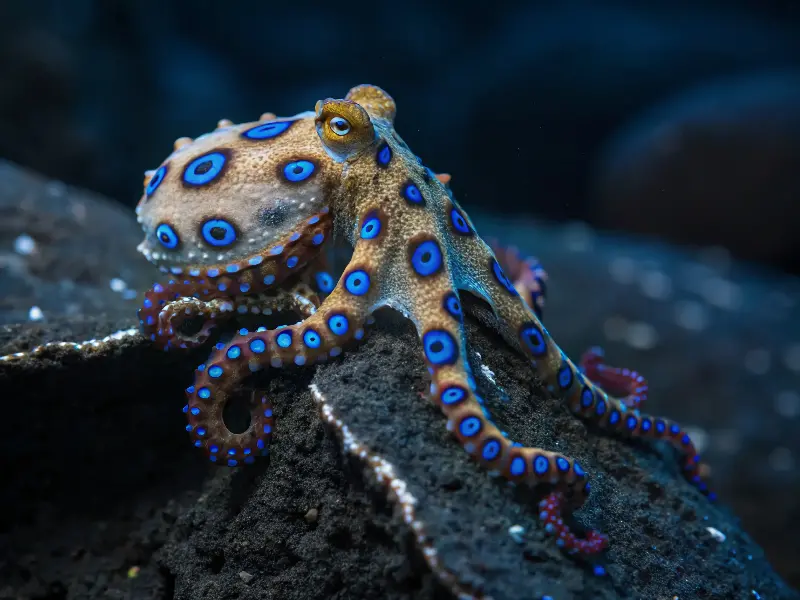
As you dive beneath ocean waves, color remains both invitation and warning. The blue-ringed octopus, found in tide pools of Australia and Japan, is a master of disguise—until threatened. Suddenly, electric blue rings radiate across its skin, signaling the presence of a toxin that can paralyze and kill a human within minutes. Curiously, this tiny octopus, barely the size of a golf ball, is gentle unless provoked.
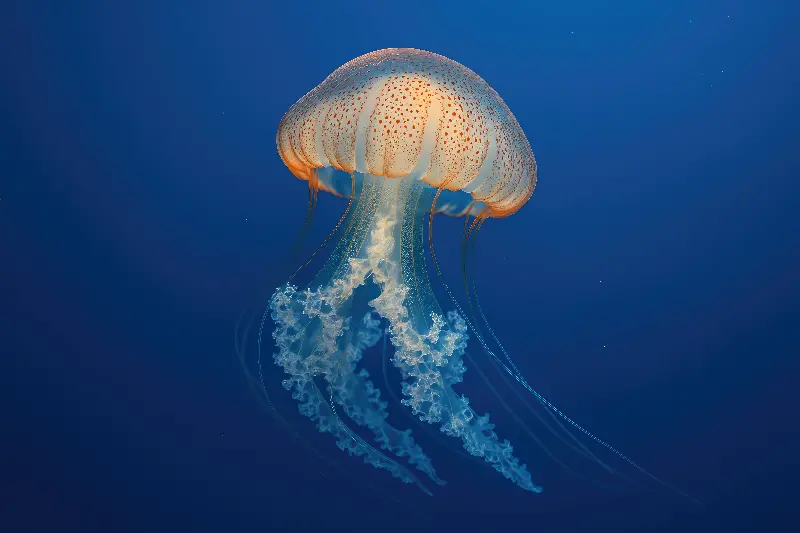
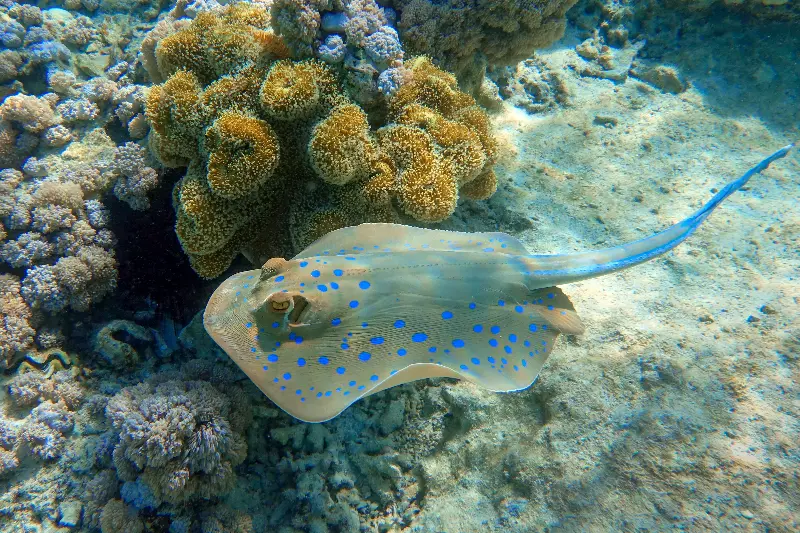
Stingrays and box jellyfish take a different approach, using semi-transparent or subtly shimmering appearances to blend in, only illuminating warning colors when disturbed. The box jellyfish’s seemingly ethereal, bell-shaped body conceals nematocysts that inject one of the world’s most potent venoms. For unlucky swimmers in northern Australia, its tentacles spell disaster, as just a touch can lead to cardiac arrest.
Avian Artistry: When Feathers Warn
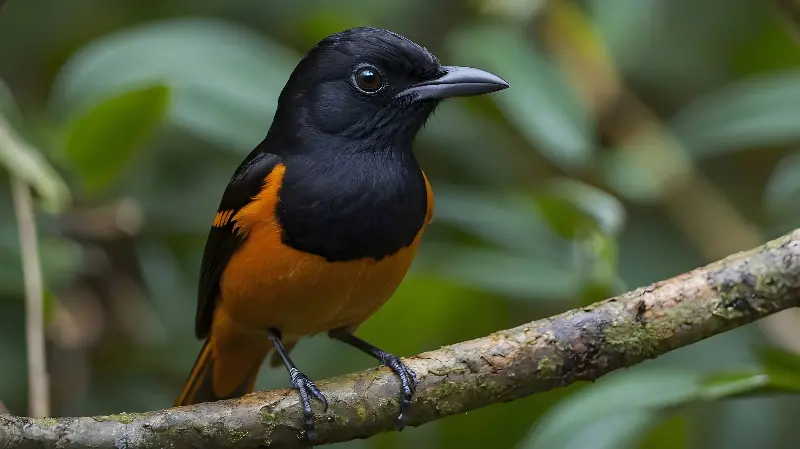
It’s not just cold-blooded animals that use colors as a warning. Birds, known for their flamboyant plumage, sometimes pair it with hidden dangers. The pitohui bird of Papua New Guinea, for example, looks ordinary at first glance but is uniquely poisonous, its feathers laced with batrachotoxin, the same type that protects the golden poison dart frog. Even a light touch can cause numbness or irritation, and local tribespeople identify these birds as “rubbish birds,” a subtle warning against consumption.
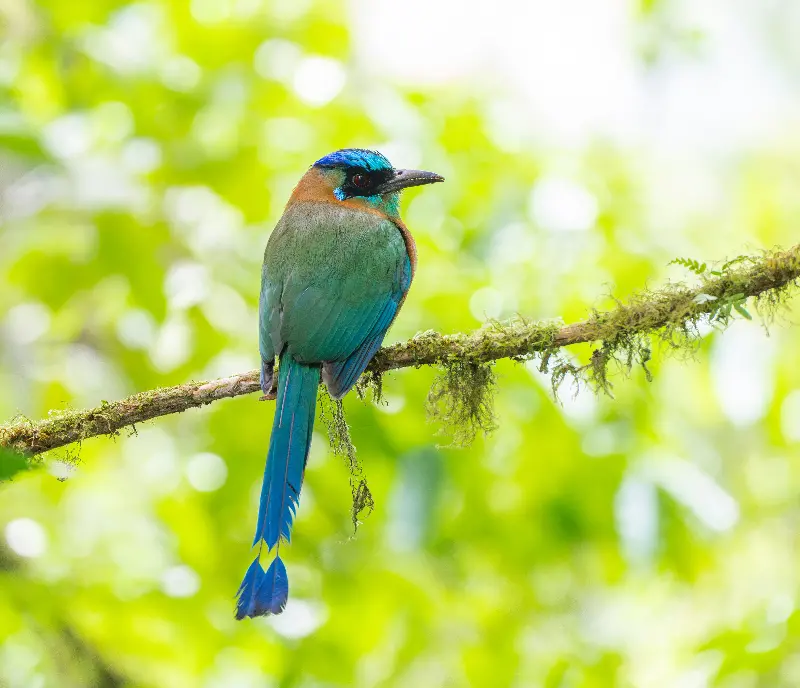
In the Americas, the jacamar and motmot dazzle with neon feathers, though they themselves are not toxic—yet they mimic the look of deadly species, employing Batesian mimicry to ward off predators. This evolutionary sleight of hand shows just how much nature values the language of color.
Insects In Costume: Nature’s Masterpiece Tricksters
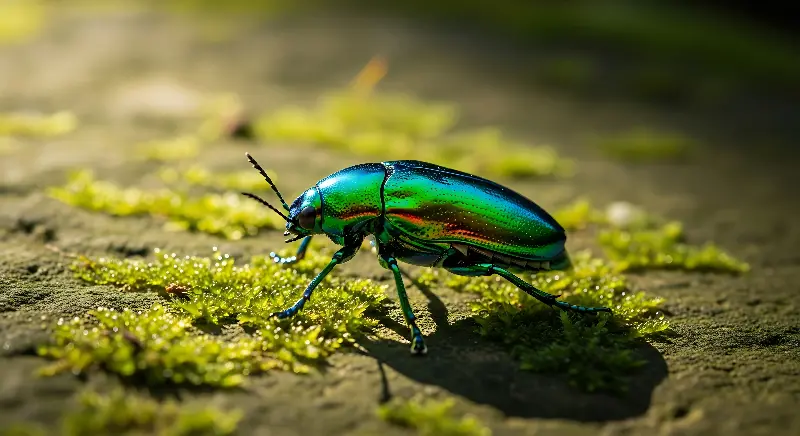
The insect world is perhaps the richest canvas for nature’s most dramatic warning signals. Monarch butterflies, with their orange and black wings, are distasteful thanks to toxins from milkweed consumed as caterpillars. Their regal colors shout a clear message: stay away! The jewel beetles of Southeast Asia and the metallic-green tiger beetle use similar tactics—dazzling colors that communicate, “Do not eat.”
Bee and wasp species also deck themselves in black and yellow banding, universally read as signs of their painful stings. Even non-venomous imposters, like the hoverfly, don these colors, enjoying the security of a disguise that few predators would dare to test.

Nature’s Lesson: Beauty With A Purpose
The next time you find yourself marveling at a neon blue frog, a glittering butterfly, or a shimmering octopus, remember that these colors come with a purpose far beyond aesthetics. They are the result of millions of years of evolutionary chess, a delicate balance between attracting mates, warding off enemies, and surviving in a hungry world.
Brilliant hues are more than just nature showing off—they’re vital signals that have shaped the destinies of species across continents and oceans. So, as you admire nature’s most breathtaking displays, appreciate both the artistry and the intelligence behind them. After all, sometimes the world’s greatest treasures are best admired from a respectful distance.