


Floating among the blue vastness, humpback whales are among the most enchanting creatures to glide through the oceans’ depths. For centuries, people have stood in awe of these giants, curious about their immense size, mysterious journeys, and above all, the haunting songs resonating through the underwater world. Today, science continues to reveal fascinating secrets behind their ancient melodies and the role humpback whales play in the delicate web of marine life. Take a deep dive as we explore the humpback’s story—a tale of astonishing communication and urgent conservation.
The Gentle Giants of the Oceans
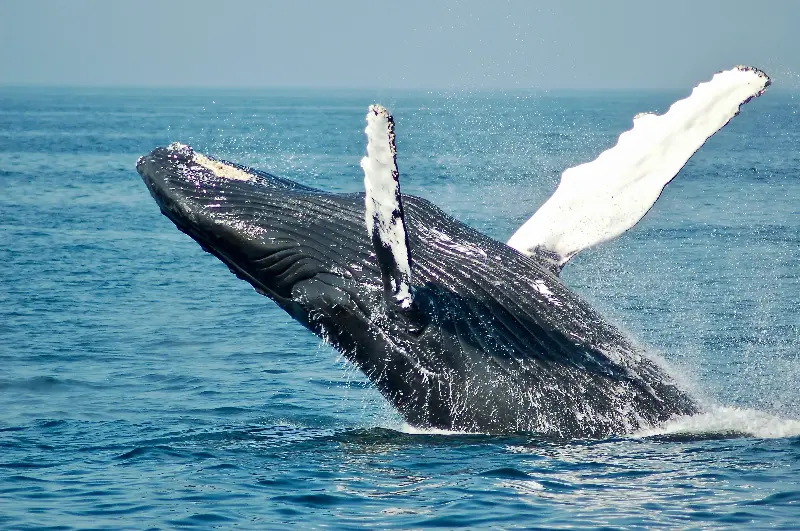
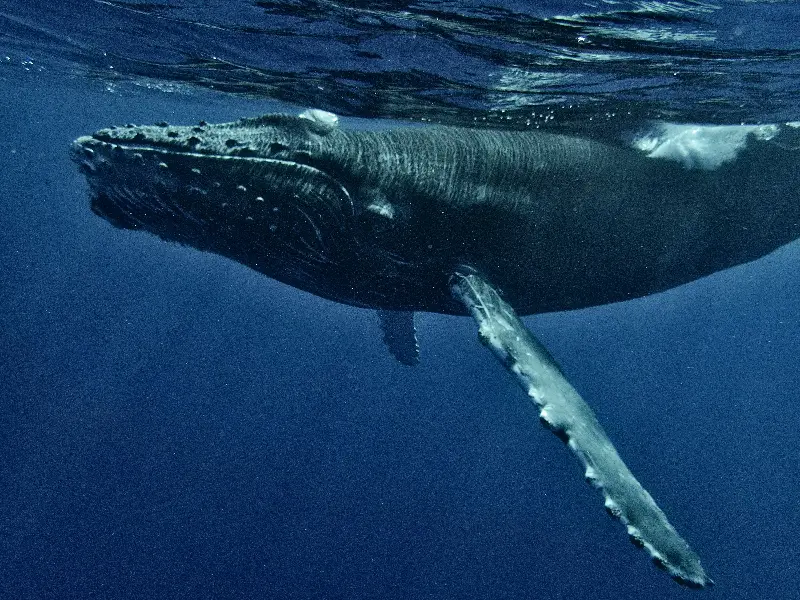
Growing up to 16 meters (about 52 feet) in length and weighing a colossal 40 tonnes, humpback whales are instantly recognizable for their long pectoral fins and knobby heads. Despite their intimidating size, their demeanor is gentle. Unlike some of their cetacean cousins, humpbacks are not predators but filter feeders, using their specialized baleen plates to sieve krill and small fish from swarms in the water.
Humpbacks are often sighted flinging themselves out of the water in spectacular breaches or slapping their broad tails. While these behaviors may serve purposes such as communication or parasite removal, they are also a thrilling reminder of the awe humpbacks inspire in those monitoring the seas.
Songs Across the Oceans
Perhaps the most mesmerizing feature of the humpback whale is its ability to sing. Only males perform these elaborate songs, and each population has its own distinct tune, filled with patterns of moans, cries, and howls that can last anywhere from ten minutes to up to half an hour. What’s even more remarkable is that these songs are not static—the repertoire subtly evolves over time. Older melodies fade as new elements are woven into the composition, suggesting a collective cultural memory shared among males in the same region.
Why do they sing? The primary theory is that these songs act as a mating call during breeding season, with males vying for attention from females and perhaps to establish dominance among rivals. However, new research proposes that whale songs might also help coordinate group behavior, warn other whales of danger, or even provide navigation cues as they traverse ocean basins.
The sound of a humpback’s song can travel for hundreds, sometimes thousands, of kilometers beneath the waves. For whales, whose eyesight is limited by the murky depths, such long-distance acoustic communication becomes a lifeline, binding individuals together even as they navigate immense expanses of ocean.
Masters of Migration
Humpback whales are famous for their epic migrations—the longest of any mammal on Earth. Each year, these whales travel thousands of kilometers between their summer feeding grounds in polar waters and warm tropical or subtropical breeding areas. Some Pacific populations, for example, journey from the icy waters of Alaska all the way to Hawaii, covering more than 5,000 kilometers in just a few months.
During these journeys, the chance to hear multiple populations’ songs highlights the global tapestry of humpback whale culture. As whales from different regions occasionally intermingle, snippets of songs can “spread”—a natural musical exchange as beautiful as it is mysterious.
Intelligence and Social Bonds
Beneath the surface, humpbacks display surprising intelligence and complex social behavior. Observations have revealed forms of cooperation, such as bubble-net feeding—a strategy where groups of whales blow bubbles below prey to corral fish upward, making them easier to catch. This hunting technique requires impressive coordination and communication.
Female humpbacks are fiercely protective mothers, nurturing calves for nearly a year and teaching them essential survival skills. Calves even “whisper” to their mothers in subdued tones, possibly to avoid drawing attention from lurking predators like orcas.

Conservation: Protecting an Ancient Chorus
Humpback whales were once hunted to the brink of extinction for their oil and baleen. International whaling bans and legal protections, however, rescued these giants from disappearing. Today, an estimated 80,000 humpbacks swim across the globe’s oceans—a conservation story showing that coordinated global efforts can make a lasting difference.
Yet threats remain. Ship strikes, entanglement in fishing gear, ocean noise pollution, and climate change jeopardize whale health and their ability to communicate across vast distances. Because humpbacks rely so heavily on sound, increased shipping traffic, drilling, and underwater construction pose serious risks, potentially drowning out their vital songs.
Marine biologists and conservationists are working harder than ever to ensure humpback whales’ ancient songs continue to echo across the seas. Citizen science initiatives now encourage coastal communities and tourists to report sightings, contributing to global monitoring efforts. Advances in remote underwater recording are also helping track song changes and whale populations as they recover and adapt to rapid environmental shifts.
Why Their Songs Matter
The story of the humpback whale is a story of hope—where science, culture, and conservation collide. Their songs remind us of the profound mystery and shared heritage hidden beneath the waves. For every person who has listened to a recording of a whale chorus, or watched the graceful leap of a humpback in wild waters, it is clear that the ocean is more than a resource—it is a source of inspiration and wonder.
As guardians of these ancient melodies, we are all called to protect not only the whales, but the entire marine environment in which their songs unfold. In doing so, we help ensure that future generations may one day experience the same awe, listening to the timeless music of the world’s majestic singers.