


Few kitchen herbs are as instantly recognizable as parsley. What often starts as a modest garnish can easily steal the show, thanks to parsley’s vibrant flavor, surprising resilience, and fascinating past. For centuries, this leafy green has found its way onto plates and into traditions, from the bustling markets of Rome to the contemporary kitchens of New York and beyond. But how did parsley rise from humble beginnings to become one of the most beloved (and underappreciated) culinary superstars worldwide?
Ancient Roots and Mythical Status
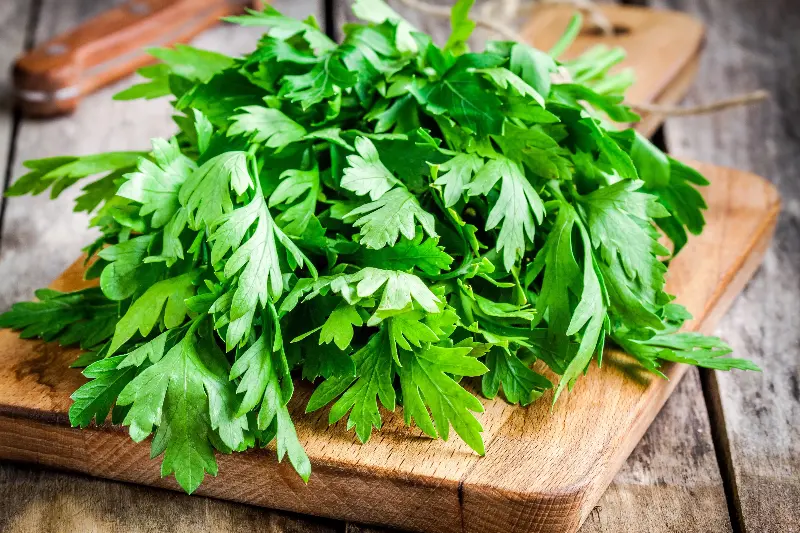
Long before parsley became a kitchen staple, it was entwined with legend and ritual. Native to the rocky hillsides of the Mediterranean, parsley’s earliest records date back to Ancient Greece and Rome. For Greeks, parsley wasn’t just a seasoning; it symbolized both victory and death. Wreaths woven from its leaves crowned athletic champions during Isthmian Games, rivaling the Olympic Games for prestige. At Greek funerals, parsley was scattered on graves, believed to help the souls' passage to the afterlife.
Romans brought parsley to the banquet table, convinced it would absorb drunkenness and freshen breath. Roman philosopher Pliny the Elder classified it as both a garnish and a remedy, showing how the boundary between food and medicine has always been a little fuzzy for this herb. Even the name “parsley” connects it to its origins—derived from the Greek “petroselinon,” meaning “rock celery.”
From Humble Garnish to Global Cuisine
Perhaps due to its gentle flavor and cheerful appearance, parsley was slow to catch on as a culinary ingredient in continental Europe. For centuries, it was relegated to the borders of medieval gardens and the sides of grand feasts. Many believed it was unlucky to transplant parsley, citing superstitions that lingered well into the Renaissance period.
But as global trade routes opened and cross-cultural food influences mingled, parsley’s fortunes began to change. By the 17th century, French chefs were experimenting with “persillade”—a lively combination of chopped parsley, garlic, and oil. Italian cooks embraced it for both pasta and salads. Parsley’s popularity bloomed in Middle Eastern cuisine, where dishes like tabbouleh celebrate its brightness at center stage.
Today, both flat-leaf (Italian) and curly varieties flourish in kitchens worldwide. Whether blending into Argentine chimichurri, topping fish in British pubs, or swirling through German soups, parsley adapts—and thrills—with its fresh, versatile character.
A Nutritional Powerhouse in Disguise
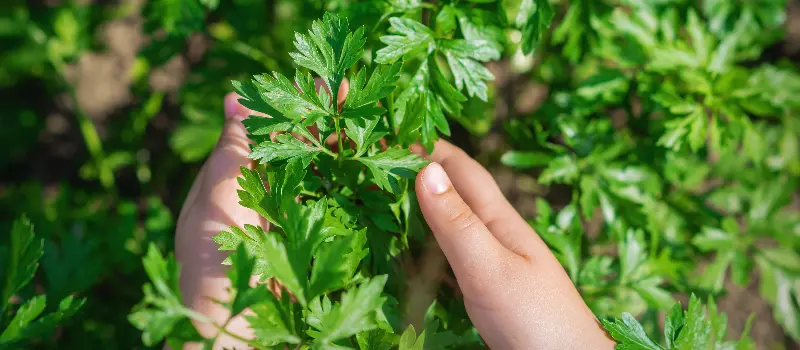
If you thought parsley’s greatest contribution was color, think again. Packed with vitamins and antioxidants, parsley is one of the healthiest herbs most people overlook. Just a small handful contains an impressive dose of vitamin K—a single tablespoon supplies more than half of the daily requirement, crucial for bone health and blood clotting.
There’s also vitamin C for immunity, vitamin A for eye health, and folate, essential for cell repair and heart wellness. The plant also boasts lutein and zeaxanthin, nutrients known for protecting vision. Parsley’s essential oils, especially apiol and myristicin, have anti-inflammatory properties and have been investigated for their potential to fight infection and neutralize harmful compounds in the body.
Chefs and nutritionists agree: adding parsley to your diet isn’t just decorative, it’s a tiny, flavorful step toward better health.
Hidden Talents and Kitchen Magic
Part of parsley’s success comes from its subtle magic—it effortlessly bridges flavors and adds brightness without overpowering main ingredients. Flat-leaf parsley with its robust, peppery notes is favored in cooking, while the curly type excels at adding crisp texture and visual appeal.
Don’t stop at garnishing soups and stews. European cooks often use parsley root, a carrot-like vegetable, to deepen the flavor of stocks and broths. The stems, too, teem with flavor and can be blitzed into pesto or tossed whole into bouquet garni for slow cooking.
Parsley works wonders in sauces, from French gremolata to Middle Eastern chimichurri. Its mild herbal quality lifts lemon, garlic, and olive oil, transforming simple dishes into vibrant, zesty meals. Adding chopped parsley at the end of cooking not only enhances color but releases fresh, grassy aromas that wake up the palate.

The Secret Life of a Super Herb
Perhaps parsley’s biggest secret is its resilience. It grows easily in window boxes and backyard patches and can thrive in both sunny and shaded conditions. For those keen on sustainability, parsley’s hardiness means it’s an ideal herb for urban gardening and reducing food waste: snip a little for dinner, and the plant keeps producing for months.
There’s also something quietly revolutionary about rethinking parsley’s role. Instead of tossing the garnish aside, consider it a central ingredient. A parsley salad, dressed simply with oil and lemon, can be as refreshing as any lettuce-based dish. Its versatility means it’s as much at home in green smoothies and juices as it is gracing a holiday roast.
In a world where the simplest flavors sometimes make the strongest impressions, parsley shows how a touch of green can unite centuries of tradition, health benefits, and pure culinary joy. So the next time you pass by this humble herb in the produce aisle—or on your dinner plate—pause and savor its remarkable journey and secret life as a global superstar.