


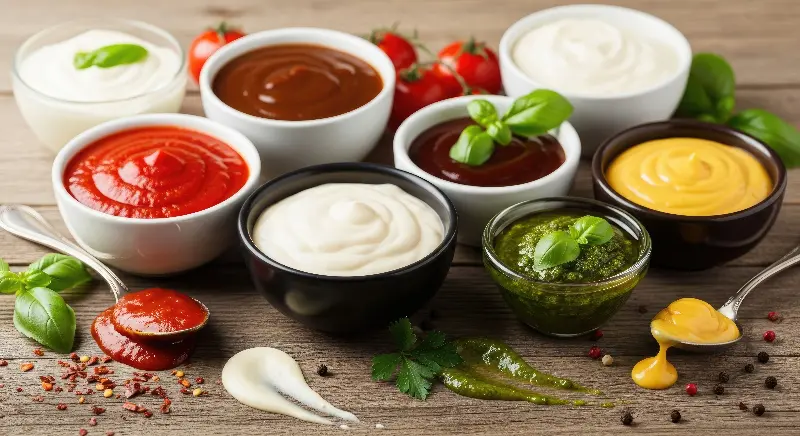
If you’ve ever wondered how French restaurants create dishes bursting with flavor and silky-smooth textures, the answer may surprise you. It all begins with the mother sauces—five foundational preparations that have shaped classic French cuisine and, indeed, the world of cooking itself. Mastering these sauces will not only improve your confidence in the kitchen but will open the door to an endless variety of dishes. Here’s an engaging exploration into the universe of the French mother sauces, their history, and how they can elevate your cooking, no matter your skill level.
The Legacy of the French Mother Sauces
Centuries ago, French chefs understood that the foundation of extraordinary cuisine lay in perfecting a handful of basic techniques. The concept of the “mother sauces” was famously codified in the 19th century by Auguste Escoffier, who streamlined the earlier work of Antoine Carême. Escoffier whittled the classic sauces down to five—béchamel, velouté, espagnole, sauce tomate, and hollandaise—each designed as a launching point for hundreds of secondary or “daughter” sauces.
What makes the mother sauces remarkable is their versatility. Professional chefs respect the science and alchemy involved, but home cooks can also benefit from understanding what makes them so indispensable. With just a few staple ingredients—usually butter, flour, and liquid—you can transform everyday meals into restaurant-quality dishes.
Béchamel: The Silky White Wonder
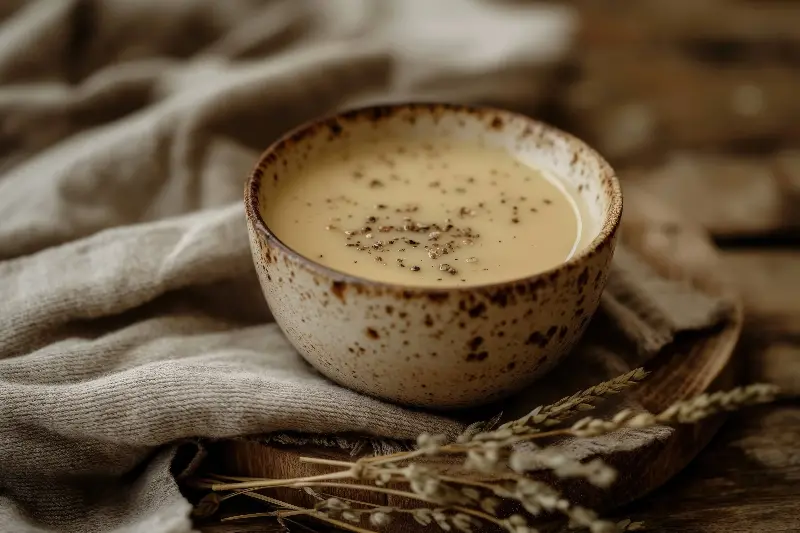
Béchamel is perhaps the most well-known, a creamy white sauce that forms the backbone of many Western favorites. It is a neutral canvas that relies on high-quality dairy and careful whisking.
- The Foundation: Milk thickened with a roux (an equal mixture of butter and flour).
- Key Dishes: Lasagna, moussaka, croque monsieur, and macaroni and cheese.
- Daughter Sauces:
- Mornay: Béchamel with added shredded cheese (usually Gruyère or Parmesan).
- Soubise: Béchamel sautéed with puréed onions.
Pro Tip: For a lump-free consistency, add your milk in small stages, whisking constantly over low heat until the mixture is smooth and glossy.
Velouté: The Velvety Canvas
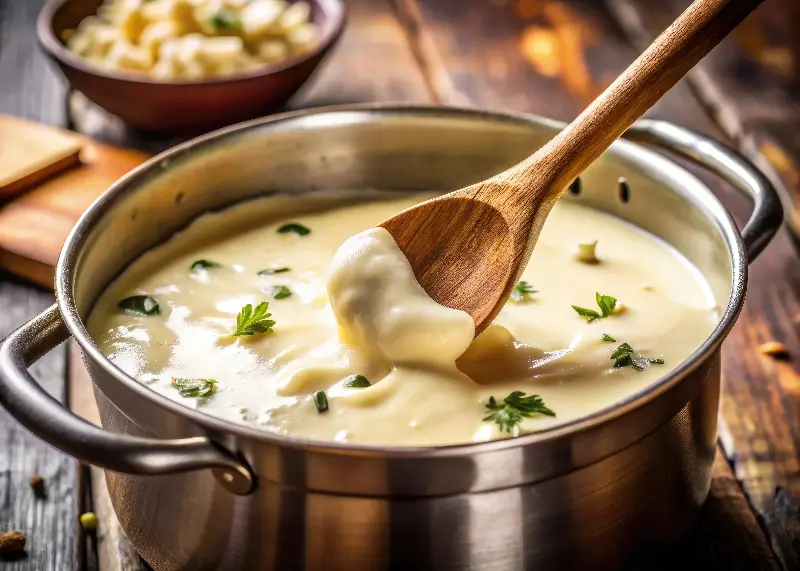
At first glance, velouté may resemble béchamel, but there’s a delicious difference. While béchamel uses milk, velouté utilizes a clear stock. This results in a lighter, savory sauce that tastes intensely of the base protein used in the stock.
- The Foundation: Chicken, fish, or veal stock blended with a blonde roux.
- The Profile: Savory, light, and remarkably smooth.
- Daughter Sauces:
- Sauce Suprême: Chicken velouté enriched with heavy cream and mushrooms.
- Sauce Normande: Fish velouté finished with cream, butter, and egg yolks.
Espagnole: The Heart of Hearty Flavors
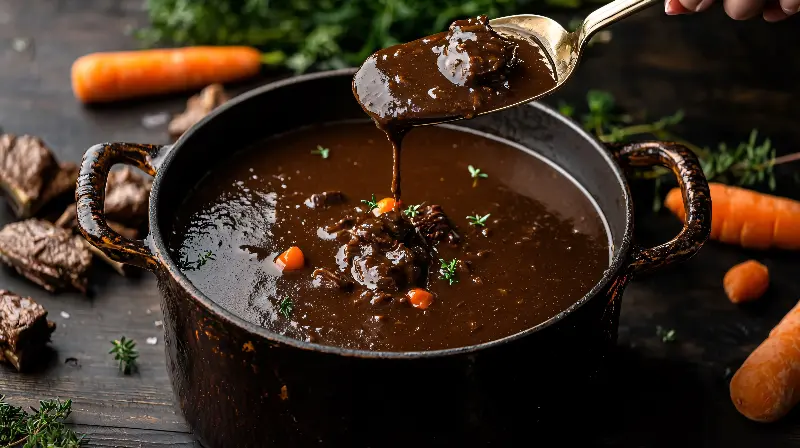
Espagnole, or "brown sauce," is the most robust and complex of the mother sauces. It is rarely served on its own but is instead used as the starting point for the richest reductions in the culinary world.
- The Foundation: A brown roux (cooked longer to achieve a nutty color), beef or veal stock, tomatoes, and mirepoix (carrots, celery, and onion).
- The Process: Slowly simmered until the ingredients meld into a rich, aromatic medley.
- The Famous Daughter: Demi-glace. This is the gold standard for roasted meats, achieved by reducing espagnole with additional stock until it is thick enough to coat the back of a spoon.
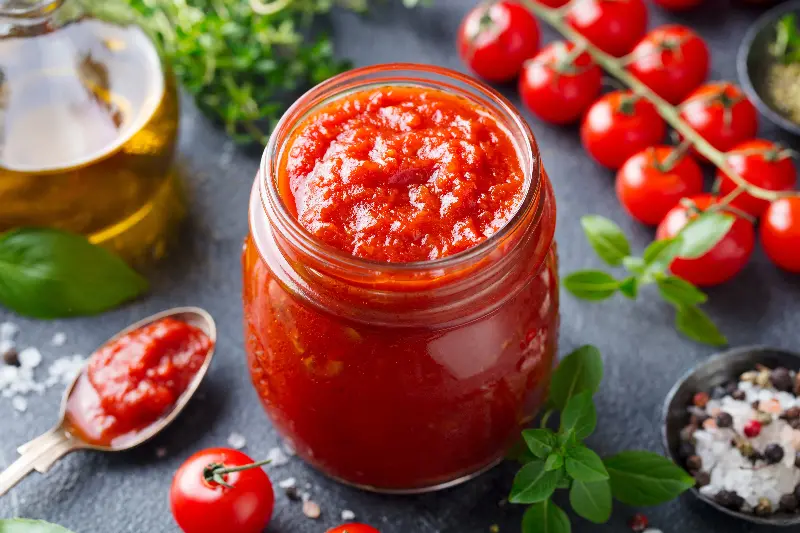
Sauce Tomate: More Than Just Tomato Sauce
While sauce tomate may sound straightforward, the French version is a work of culinary art, distinguished by its preparation method and ingredients.
- The French Difference: Traditionally, it combines tomatoes with pork fat or salt pork, mirepoix, stock, and herbs.
- The Texture: Unlike Italian sauces that are often chunky and acidic, French sauce tomate is silky and savory, often thickened with a roux in the traditional method (though modern versions sometimes rely on a long reduction).
- Versatility: It serves as the base for Sauce Provençale or Sauce Portugaise, which incorporate garlic, onions, and sautéed peppers.
Hollandaise: The Bright, Buttery Emulsion
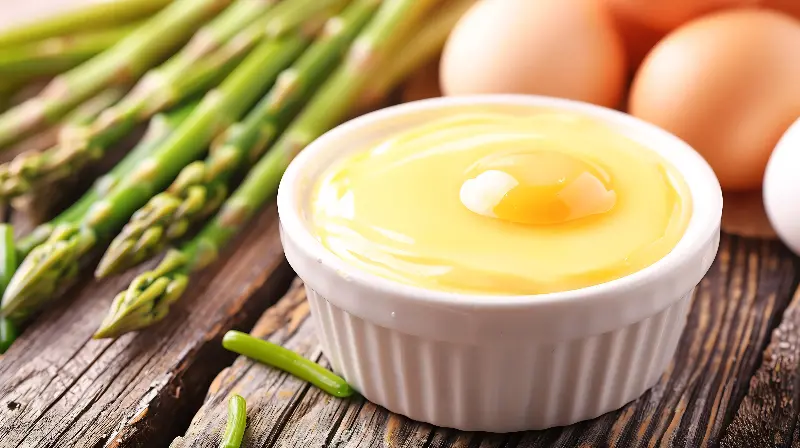
Hollandaise stands apart from the other mother sauces because it is an emulsion rather than a roux-based sauce. It is notoriously temperamental but undeniably luxurious.
- The Foundation: Egg yolks whisked with clarified butter and an acid (lemon juice or vinegar).
- The Texture: Thick, pale yellow, and incredibly rich with a sharp, tangy finish.
- Famous Daughter Sauces:
- Béarnaise: Hollandaise flavored with a reduction of shallots, tarragon, and peppercorns.
- Mousseline: Hollandaise folded with whipped cream for a lighter, airy texture.
Elevate Your Kitchen, One Sauce at a Time
Embarking on the journey of mastering the French mother sauces means more than just learning recipes—it’s about unlocking a world of possibilities. Each sauce is a testament to the elegance and precision of classical technique, yet they remain infinitely adaptable to modern tastes.
Understanding these foundations empowers you to explore, experiment, and create. When you next reach for a recipe, remember: behind many of your favorite dishes is the subtle brilliance of a French mother sauce, waiting to elevate your meal to something unforgettable.