




Over the past month, Delhi NCR was awash with colour as thousands of tulips bloomed across the city, from Shanti Path to the lawns of Rashtrapati Bhavan, drawing crowds eager to catch a glimpse of the tulip festival. But anyone visiting these gardens now is likely to notice far fewer blooms. Reportedly, more than five lakh bulbs were procured this year, primarily from Netherlands. Yet with temperatures climbing sooner than expected, many of these flowers have already begun fading at gardens and nurseries around the city.
Tulip demand is high, but nurseries discourage buyers
Gaurav Saini, from RK Kataria Nursery in Nizamuddin, informs that though the demand has not diminished, they are purposely discouraging the buyers. “We have started throwing away the withering tulips at our nursery, and are also informing our regular customers not to buy tulips anymore because the rising heat will cause these to die. Humari toh sale ho jayegi par agar customer aake complain karega ki ek hi din mein paudha murjha gaya toh kya fayda... Kuchh 45 din lagte hain ek tulip ko bloom hone mein aur fir one month tak ki life hoti hai iski. But, once the temperature rises above 30 degrees, these begin to die,” adds Saini.
Nursery owners say the surge in popularity this year was hard to miss. “Iss saal kuch zyaada hi demand aayi hai tulips ki. I sourced 500 bulbs, which sold out within a month! Logon ne Rajpath, Shanti Path par tulips lage huye dekhe, aur unko dekhkar kai log khareedne aaye,” shares Hari, from Saini Plant Home in Connaught Place.
Disappointed? Buy, deep freeze, replant
Delhiites, who brought home tulips last month, are unhappy with the reduced lifespan of this flower. Avinash Batra, a Gurugram-based IT professional, says the timing has been unfortunate. “My wedding is next month, so my partner and I bought 50 tulips from a nursery in February, thinking the home will look pretty when guests arrive. We kept the flowers indoors, yet Delhi’s rising heat caused most of these to wither away in the first week of March itself. We were so disappointed that we have now bought lilies.”
But Riya Taneja, a final-year college student, says her background in horticulture helped her plan better. “I’m studying horticulture and I knew tulips won’t survive long in the Capital’s heat. So I bought the buds and preserved them by deep freezing. Come November, and I will plant these in my home garden and see them bloom,” she says.
Next change: Lily, rajnigandha
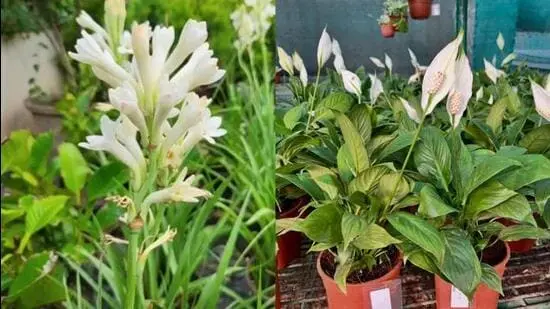
Nursery owners say they are steering customers toward flowering plants better suited to the approaching summer. “This is the best time to plant lilies and tuberoses,” adds Gaurav. The suggestion is echoed by Manoj from Shyam Nursery. He says, “The demand for lilies and rajnigandha has already started increasing. Even people who are coming to buy tulips are asking why these are dying so soon. When we explain to them the impact of climate conditions, they rethink their buying choices and opt for the more suitable options.”
How to Take care of tulips
Keep them in a cool or shaded place that has a low temperature and is away from direct sunlight. This will help delay the withering of flowers by a few weeks.
Allow them to cool overnight, then place them in the refrigerator for several hours to help keep the buds firm. Avoid storing them near fruits such as apples or bananas, as these release ethylene gas that can accelerate wilting.
If the tulips are in pots, water them lightly when the top layer of soil begins to dry out. Make sure the pot has proper drainage, as excess water combined with heat can cause the bulb to rot or lead to fungal growth.
If the plant has dried, gently remove it from the soil and check if any bulbs can be saved. Shake off the excess soil, and avoid washing with water. Discard any soft or damaged bulbs.
To preserve bulbs for the next season, dip them in fungicide and store them in a paper or mesh bag, or in a box with dry sand or sawdust. Avoid plastic bags, as they trap moisture and cause rot. Keep them frozen until the next planting season (October–November).
For more, follow HT City Delhi Junction